
The Luxury Index 2026: The World’s Most Coveted Assets Right Now
4 October 2026Written by Jason Hayes
Nine asset categories. One year of data. The picture that emerges from Knight Frank’s 2026 Luxury Investment Index is not the one the headlines suggested. The composite was near-flat, down precisely 0.4%. But beneath that, the divergence was stark: Impressionist paintings up double digits, watches solidly positive, whisky down sharply, wine still correcting from its pandemic-era peak. What 2025 made absolutely clear is that the luxury investment market is no longer a tide that lifts all boats. It is a market that rewards specific knowledge, patience and the capacity to identify genuine scarcity before everyone else does.
Key Takeaways
• Knight Frank’s KFLII: -0.4% in 2025, a significant improvement on three consecutive years of decline. 10-year performance: +38.6%. The long-term case for tangible assets remains intact.
• Art led the field: Impressionist art +13.6%, Modern art +7.1%, Post-war art +5.2%. Global art sales reached $59.6 billion in 2025, with global public auction sales rising 9% year on year.
• Watches held firm at +5.1%. Patek Philippe outperformed with +12.1%, led by the Aquanaut 5167A. Rolex rose 4.6%.
• Classic cars fell 3.7%, but halo models — Ferrari F50, top-tier Porsche — remained fiercely contested at major auctions. The correction is in the mid-tier, not at the top.
• Wine fell 2.5% (Liv-ex Fine Wine 100 Index), down roughly 25% from its 2022 peak. Super-Tuscans showed the most resilience. Whisky dropped 10.9%.
• Luxury real estate rose 3.2% globally. Dubai +25.1%. Tokyo +58.5%. 89 new ultra-high-net-worth individuals are created globally every day. The buyer base for premium assets keeps expanding.
What the 2026 Numbers Actually Show
The KFLII tracks ten passion-asset categories — art, watches, classic cars, wine, whisky, handbags, jewellery, coloured diamonds, coins and furniture — weighting each by market size and liquidity. The composite’s -0.4% in 2025 sounds dull at first. It isn’t. The index fell 3.3% in 2023 and 2.7% in 2024. A near-flat result represents a meaningful shift in direction, and the 10-year figure of +38.6% puts the short-term correction in proper context. Decade-long returns on watches are 125%. Handbags have returned 85%. Fine wine, despite its recent correction, has gained 37% over ten years. These are not speculative bets. They are documented track records.
What changed in 2025 is where the returns concentrated. The market repriced around a single question: what genuinely cannot be reproduced? The answer drove Impressionist works to their strongest year in a generation, pushed the hardest-to-source Patek Philippe references further ahead of everything else in the watch market, and left the categories dependent on production volume — whisky, mid-market wine — behind.
2025 KFLII Asset Performance
Asset | 2025 Return | 10-Year Return | Key Driver |
Impressionist Art | +13.6% | N/A | Rarity, major single-owner sales |
Modern Art | +7.1% | N/A | Institutional confidence, marquee auctions |
Watches | +5.1% | +125% | Patek Philippe, Rolex scarcity premium |
Handbags | N/A | +85% | Hermes, provenance, secondary market depth |
Classic Cars | -3.7% | N/A | Mid-tier correction; halo models strong |
Fine Wine (Liv-ex) | -2.5% | +37%+ | Post-boom correction; Super-Tuscans resilient |
Whisky | -10.9% | N/A | Oversupply following pandemic growth |
Luxury Real Estate | +3.2% (global avg) | N/A | Dubai +25.1%, Tokyo +58.5% |
KFLII Composite | -0.4% | +38.6% | Stabilisation after 3 years of decline |
Property: The Anchor Asset
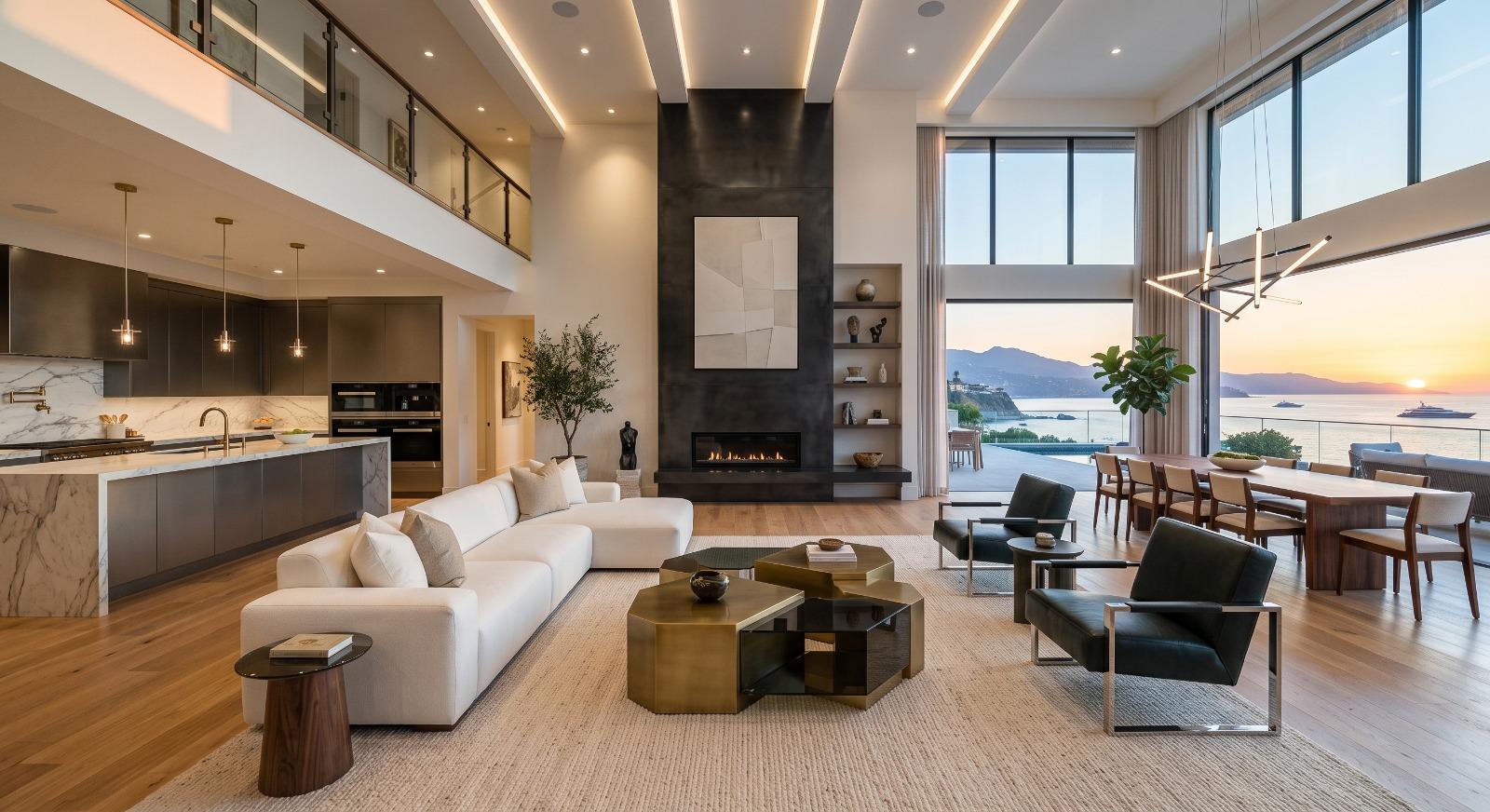
Luxury real estate held a quite different position in the 2025 data: not the highest-returning category, but the most consistent and the most defensible. Knight Frank’s Prime International Residential Index shows global luxury house prices rising 3.2%, with standout performances from Tokyo (+58.5%) and Dubai (+25.1%). Unlike watches or wine, luxury property generates income, provides utility and can be held across generations without the storage, insurance and authentication costs that accumulate on other tangibles.
Markets such as Seychelles — where 50% of land is permanently protected and foreign ownership was formally reopened in January 2025 — exemplify the scarcity-premium dynamic that the KFLII’s top performers share. Supply is fixed. Qualified buyer demand grows each year. The 89 new UHNWIs created globally every day need somewhere to put capital that will still be valuable in twenty years. The world’s finest homes sit at the intersection of these trends: irreplaceable locations, finite supply and growing international demand from a buyer base that is expanding faster than the stock of genuine trophy assets.
Watches and Art: The Standout Performers
The watch market’s 5.1% gain in 2025 understates the performance at the top. Patek Philippe’s overall index rose 12.1%, driven almost entirely by the Aquanaut 5167A — one of the hardest references to source in the secondary market. Rolex rose 4.6%, with most models posting positive performances. The secondary watch market’s extraordinary resilience rests on something specific: the gap between official retail allocation and genuine demand for the top references is large enough that prices in the grey market hold regardless of the economic backdrop. For buyers tracking these categories alongside property for luxury real estate insights, the lesson is the same in both asset classes: the premium accrues to scarcity, not size.
Art was the market’s genuine standout. Impressionist art rose 13.6%, supported by standout single-owner collections and culminating in the auction of Gustav Klimt’s Portrait of Elisabeth Lederer for $236.4 million — the highest price ever paid for a modern artwork at auction. Modern art rose 7.1%. According to the Art Basel and UBS Global Art Market Report 2026, global art sales reached $59.6 billion in 2025, with global public auction sales rising 9% year on year — the first year of growth since 2022. Clare McAndrew, the report’s author, described the result as “a shift in direction, from the contraction of previous years to modest growth.”
The assets outperforming in 2026 share one characteristic: genuine scarcity that cannot be manufactured. Rarity and provenance are now the only reliable differentiators.
Classic Cars, Wine, Whisky and Handbags
The collector cars market fell 3.7% in aggregate, but that number conceals precisely the kind of divergence the wider market is showing. Halo models — the Ferrari F50, the rarest Porsche configurations — traded at record or near-record levels at major US and European auctions. The correction is concentrated in the mid-tier, in the cars that were pushed above fair value during the pandemic buying surge and are now finding their natural level. For buyers who understand the difference between a trophy asset and a volume play, this is often described as the most compelling entry point in years.
Liv-ex Fine Wine 100 Index data shows wine fell 2.5% in 2025, extending a decline of roughly 25% from the 2022 peak. Bordeaux — the benchmark for global fine wine investment — continued its correction, while Super-Tuscans showed the most resilience, reinforcing the appeal of France and Tuscany as the two most defensible fine wine regions. Whisky fell 10.9%, a sharper correction than most market watchers expected. Handbags, despite broader luxury goods market softness, have returned 85% over ten years — a track record that continues to attract capital from buyers who may not consider themselves collectors but recognise a documented store of value.
Private Jets, Superyachts and the Ultra-Luxury Layer
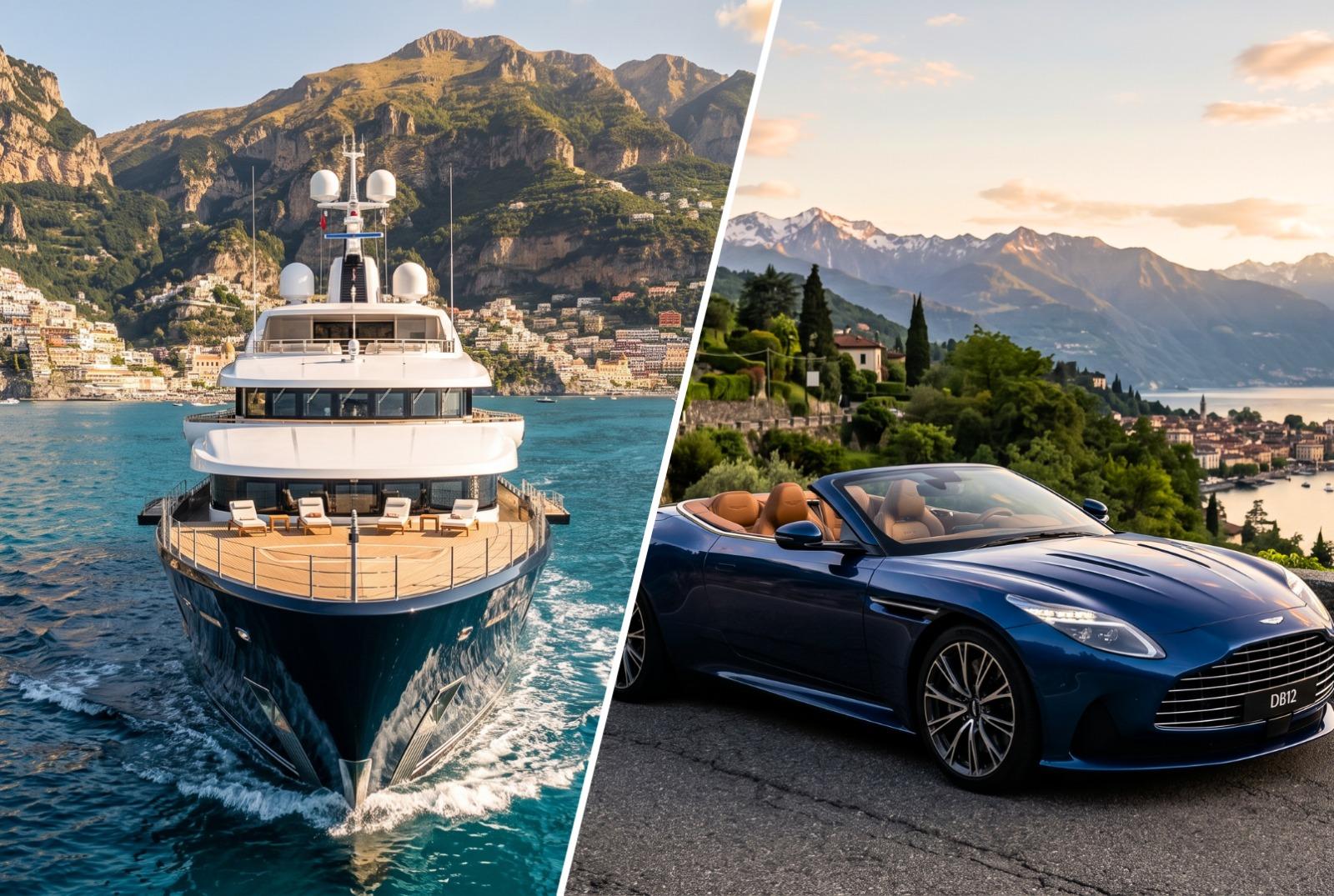
Not all luxury assets appear in the KFLII. Private jets and superyachts occupy a distinct position in the luxury asset spectrum — not primarily investment vehicles, but assets that combine utility, status and an element of capital preservation for owners who hold the right specifications over sufficient time. Demand for both remains structurally strong, driven by the same UHNWI growth trends that underpin the broader luxury market at every level. Pre-owned superyachts and pre-owned private jets both benefit from the same dynamic as watches and cars at the halo level: genuinely scarce inventory commands a premium regardless of where the broader new-build market sits.
Key Terms Defined |
Knight Frank Luxury Investment Index (KFLII) — Annual index tracking ten passion-asset categories: art, watches, classic cars, wine, whisky, handbags, jewellery, coloured diamonds, coins and furniture. Part of Knight Frank’s Wealth Report. KFLII 2025: -0.4%. 10-year: +38.6%. |
Halo Model — A specific reference within a collector category that retains or increases in value regardless of broader market conditions, due to genuine scarcity and concentrated demand. Ferrari F50, Patek Philippe Aquanaut 5167A and first-growth Burgundy vintages are current examples. |
Provenance — The documented ownership, exhibition and authentication history of a collectible asset. In art and watches particularly, strong provenance commands material price premiums and significantly reduces transaction friction in the secondary market. |
Liv-ex Fine Wine 100 — The benchmark index for the global fine wine investment market, tracking 100 of the most-traded wines by price. Fell 2.5% in 2025, with cumulative losses of roughly 25% from the 2022 peak. Super-Tuscan wines showed the most resilience. |
UHNWI — Ultra-high-net-worth individual, typically defined as someone with investable assets above USD $30 million. Knight Frank’s 2026 Wealth Report estimates 89 new UHNWIs are created globally each day, expanding the qualified buyer pool for premium tangible assets. |
Frequently Asked Questions |
What was the best-performing luxury asset in 2025? Impressionist art, which rose 13.6% according to Knight Frank’s 2026 Luxury Investment Index. Modern art (+7.1%) and watches (+5.1%) were the other strong performers. Whisky (-10.9%) and wine (-2.5%) were the weakest categories. |
Is the luxury asset market recovering in 2026? The KFLII’s -0.4% result in 2025 marked significant stabilisation after falls of 3.3% (2023) and 2.7% (2024). The 10-year return of +38.6% suggests the long-term case remains intact, with returns increasingly concentrated in assets with genuine scarcity. |
Are classic cars still a good investment? Selectively. The overall index fell 3.7% in 2025, but halo models — the rarest Ferrari and Porsche configurations — remained strong. The correction is in the mid-tier. Understanding the difference between a trophy asset and a volume buy has never mattered more. |
How does luxury real estate compare to other luxury investments? It offers a different profile: income generation, utility and generational transfer, without the storage and authentication costs of other tangibles. Global luxury house prices rose 3.2% in 2025, with Dubai (+25.1%) and Tokyo (+58.5%) delivering exceptional returns. |
Do private jets and superyachts hold their value? They are primarily utility and status assets rather than investment vehicles, but pre-owned examples in the right specification and condition can hold significant residual value. Scarcity at the top of the market mirrors the halo-model dynamic seen in watches and cars. |
Where is luxury asset demand strongest in 2026? Art, watches and luxury real estate are showing the clearest demand signals. Within each, rarity and provenance are the differentiators. Geographically, the Middle East, Asia-Pacific and established European collector markets are the most active buying bases. |
Quick Recap |
→ KFLII 2025: -0.4%. Stabilisation. 10-year return: +38.6%. Long-term case for tangible luxury assets intact. |
→ Art led: Impressionist +13.6%. Watches held: +5.1% overall, Patek Philippe +12.1%. Cars corrected -3.7%. Whisky -10.9%. Wine -2.5%. |
→ Global luxury real estate: +3.2%. Dubai +25.1%. Tokyo +58.5%. 89 new UHNWIs created globally each day. |
→ The assets outperforming share one characteristic: genuine scarcity that cannot be manufactured. The Luxury Marketplace™ | LuxuryProperty.com®. |
Actionable Next Steps |
1. Identify which category aligns with your personal expertise. The consistently best luxury investments are made by buyers who understand provenance, condition and rarity in their chosen category — not those chasing last year’s headlines. |
2. Focus on halo-level examples within any category you enter. The 2025 KFLII data confirms what the best collectors already knew: the top 5% of each category behaves almost independently of the rest. |
3. Explore luxury property, superyachts and private jets through The Luxury Marketplace™ | LuxuryProperty.com® — the platform connecting the world’s most qualified buyers with the most coveted assets across every category. |
About The Luxury Marketplace™ | LuxuryProperty.com® |
The Luxury Marketplace™ | LuxuryProperty.com® connects exceptional real estate, superyachts, private jets and luxury vehicles with qualified buyers globally. |