
The New Standard in Luxury Property Marketing
21 July 2026Written by Jason Hayes
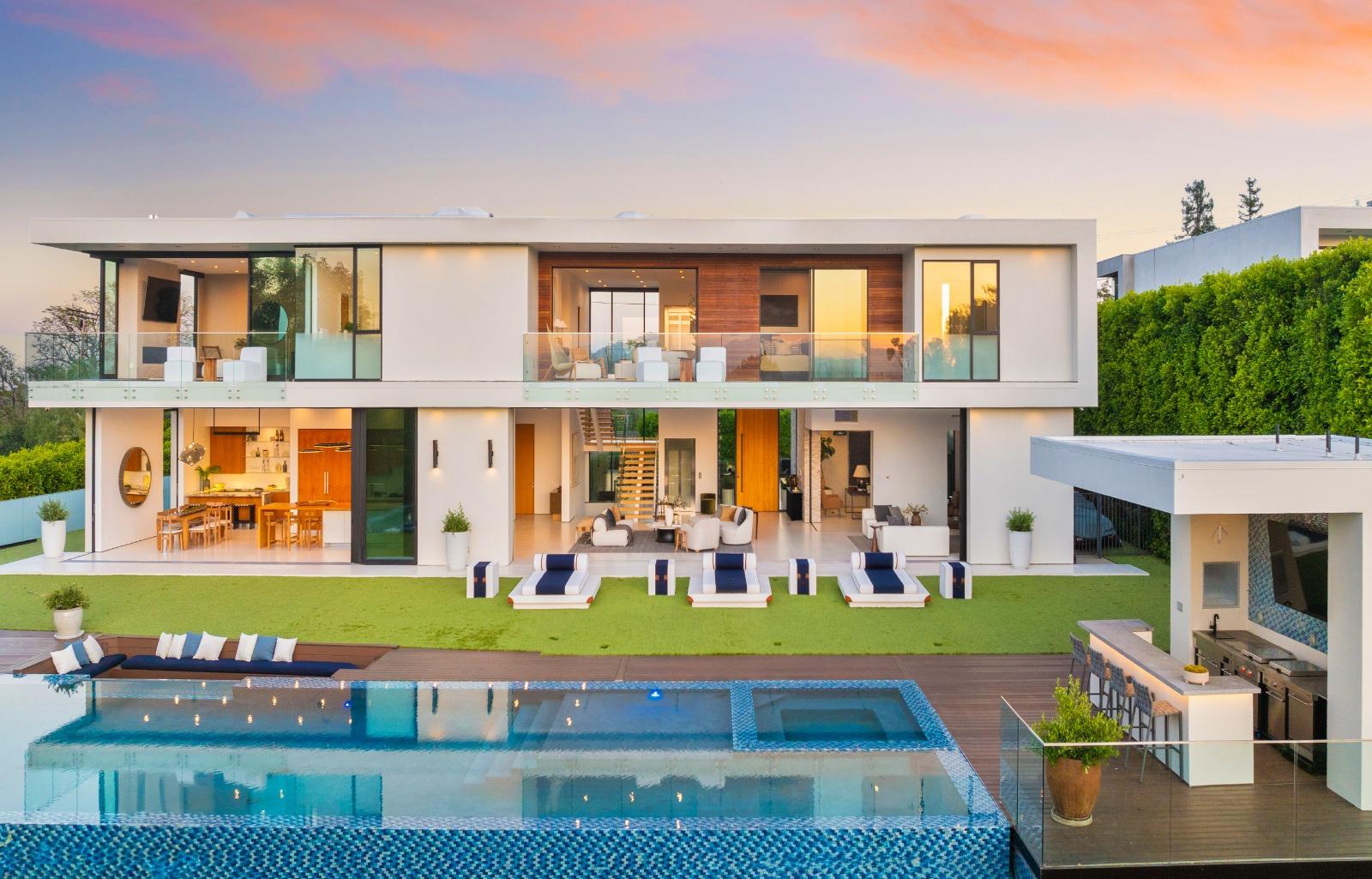
A luxury home can have everything going for it and still be easy to miss.
That sounds strange, but it happens all the time now. A villa with a private garden, a penthouse with a skyline view, a branded residence with hotel-style service, a waterfront apartment with the kind of light people remember after they leave. All of it can end up sitting in the same crowded online space as hundreds of other properties, fighting for a few seconds of attention.
That is the problem with the modern digital marketplace. It has made property more visible, but not always more memorable. A listing can be live, the photos can be good, the description can be clear, and still the right buyer may never feel the pull to enquire.
Luxury property needs more than presence. It needs positioning.
Key Takeaways
• Luxury homes need positioning, not just online presence.
• A strong property marketing strategy should explain why the home matters.
• Better audience quality is more valuable than high traffic with weak intent.
• Digital tools work best when they support a clear story.
• Lead generation in real estate is stronger when the buyer is already informed.
• Premium homes need controlled exposure, editorial quality and trust before the viewing.
Why Luxury Homes Need More Than Visibility
The new standard in luxury real estate marketing is not about shouting louder or appearing everywhere at once. It is about showing the property in the right setting, with the right story, in front of people who are actually looking with intent.
For owners, agencies, developers and private sellers, that shift matters. A luxury home is not ordinary stock. It should not be treated like one. That is why luxury real estate marketing now has to combine presentation, audience quality and the kind of premium digital positioning strategy that places a home in front of the right buyer at the right moment.
A stronger campaign should usually do four things:
Define the buyer the property is most likely to attract.
Present the home with photography, video and copy that match its value.
Place the property in a premium setting, not a crowded generic feed.
Make the enquiry route clear, direct and easy to act on.
A Listing Is No Longer a Strategy
There was a time when a property listing did most of the work. Put the home online, add the details, wait for enquiries. That may still work for some parts of the market, but it is too simple for high-value homes.
Luxury buyers do not usually make decisions from a checklist alone. Bedrooms, views, square footage and location are important, of course, but they are not the whole story. A serious buyer wants to understand what the home feels like. They want to know whether it suits their life, their family, their privacy needs, their travel patterns, their sense of taste.
This is especially true in the UAE, where serious buyers often expect market context, verified information and access to trusted market sources such as Property Monitor, which tracks real-time transaction data across the UAE’s prime residential market. Dubai and Abu Dhabi attract buyers from across the world — part of a broader shift in the new era of international property marketing that means serious buyers begin their search long before they arrive, comparing options across multiple countries simultaneously.
For that kind of buyer, a flat listing is rarely enough, especially for sellers who want to sell a luxury home in a way that protects its value and reaches buyers with genuine intent. The property needs to make sense quickly. It needs to feel credible, desirable and worth a serious conversation. A property marketing strategy for this level of home has to do more than display facts. It has to explain why the home matters, who it is for and why the right buyer should act.
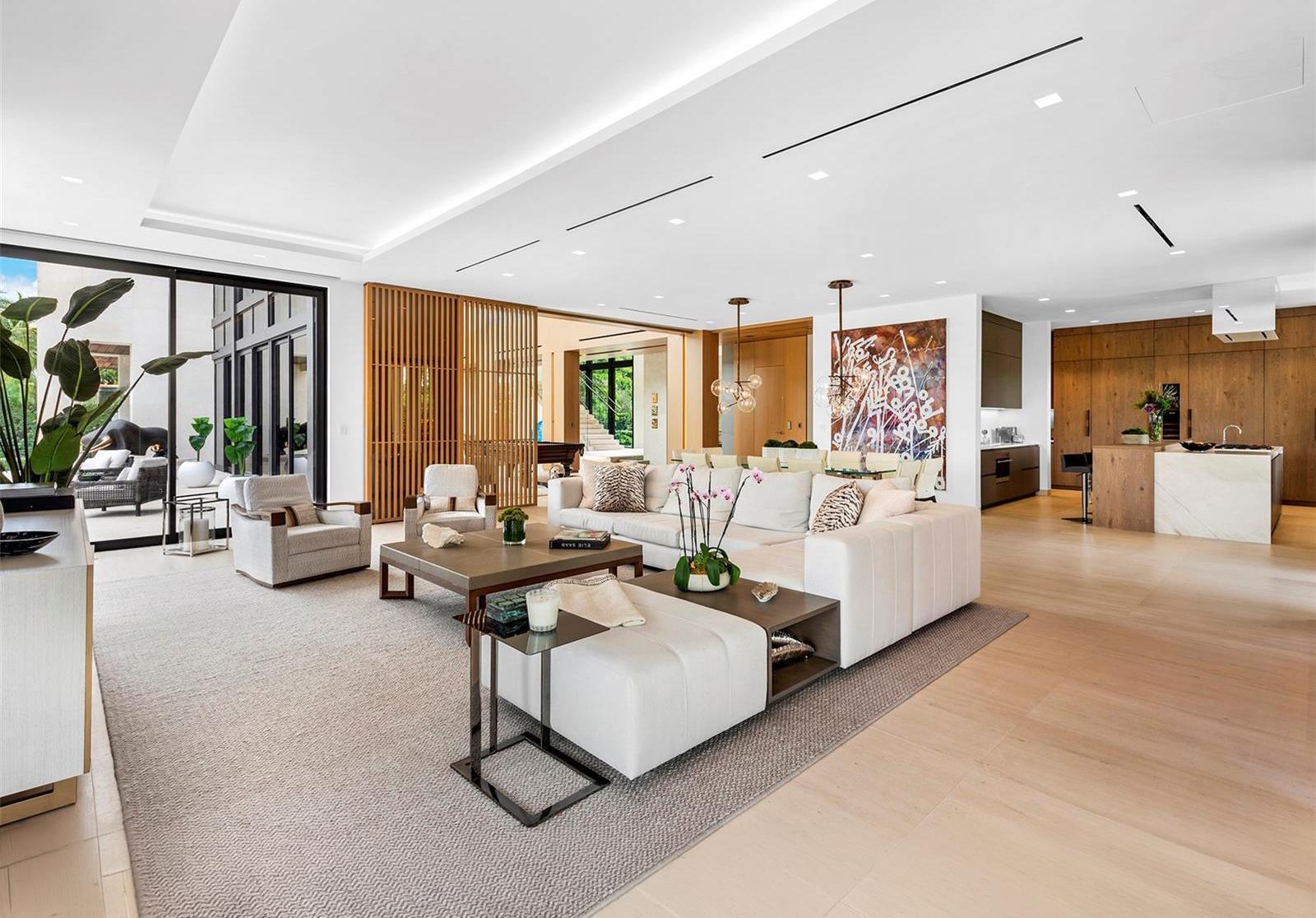
The Right Audience Matters More Than Big Numbers
One of the most significant mistakes in property advertising is assuming that more attention always means better results. It does not.
A thousand casual clicks can look impressive, but they may mean very little if the people behind them are only browsing. In luxury property, one well-matched enquiry can be more valuable than a long list of weak leads.
This is why high-intent advertising has become so important. The aim is not to push a property in front of everyone. The aim is to reach people who already understand the category, have a reason to engage and are more likely to take the next step. Understanding why high-intent buyers consistently outperform broad audiences is the foundation of any effective luxury marketing strategy.
A private seller may want discretion. A developer may want to attract international buyers for a new launch. An agency may want stronger enquiries for a standout listing. Luxury property advertising should therefore focus on relevance, not noise. In a high-value market, the wrong attention can waste time, while the right attention can start a serious conversation.
Global Reach Needs a Premium Setting
Luxury real estate has become deeply international, which means high-value homes need access to an audience that understands prime property. Research from CBRE on global prime residential markets consistently shows that buyers in the luxury segment compare properties across multiple cities before committing — which means a listing that feels local in its reach will often miss the buyer it is most likely to attract.
Global exposure is powerful, but only when the property appears in a setting that supports its value. A home can lose impact if it is surrounded by poor images, rushed descriptions or unrelated listings. The environment shapes the way people judge it.
That is why advertisers increasingly look for platforms that feel more selective — environments where premium homes are seen in the context of other premium homes, not lost in a general feed. LuxuryProperty.com gives high-value homes a more considered space, helping advertisers present their properties to a serious international audience without making them feel lost in a mass-market feed. A strong platform does not simply increase reach. It improves the quality of the context in which the property is seen.
Presentation Changes Perception
Luxury is often judged before a buyer speaks to anyone. The images, headline, description, video, layout and tone all do quiet work in the background.
If the presentation feels careless, the property feels less valuable. If the writing sounds generic, the home becomes easier to forget. If the images are beautiful but the story is weak, the buyer may look but not enquire.
Good presentation does not need to be loud. In fact, the best luxury marketing is usually calm, specific and confident. It knows what to show and what to leave unsaid. It gives the buyer enough to feel interested, but not so much that the property feels overexposed.
“The strongest luxury property marketing does not simply show a home. It explains why the right buyer should care.”
A proper property marketing strategy should make the home feel more valuable, not simply more visible, especially in high-end real estate advertising where presentation shapes buyer confidence. That is why luxury property marketing depends on tone, detail and restraint as much as photography or media spend.
Basic listing approach vs curated luxury marketing approach
Basic Listing Approach | Curated Luxury Marketing Approach |
Focuses mainly on facts | Explains the property’s value, lifestyle and buyer fit |
Measures success by clicks | Measures success by qualified enquiries |
Uses generic descriptions | Uses specific, editorial storytelling |
Treats every property similarly | Builds a tailored angle for each home |
Relies on visibility alone | Combines visibility, context and trust |
Personalised Marketing Feels More Believable
Generic luxury language has become tired. Buyers have seen too many homes described as rare, exclusive, stunning and exceptional. Those words are not wrong, but when every property uses them, they stop carrying much weight.
Personalised marketing strategies work better because they begin with the property itself.
• A family villa should speak about space, comfort, privacy and daily life.
• A branded residence should bring service, design and ease into focus.
• A penthouse should capture the view, the height, the light and the feeling of being above the city.
• A waterfront home should let the reader feel the slower pace that comes with being close to the water.
The strongest marketing does not try to make every property sound important in the same way. It finds the real reason a buyer would care. This is where luxury real estate marketing has to become more precise. The same property marketing strategy cannot be copied from one home to another. Each listing needs its own angle, its own buyer logic and its own reason to be remembered.
Direct Lead Generation Should Feel Intentional
Lead generation in luxury real estate is not simply about filling a form. It is about starting the right conversation.
A serious enquiry usually has shape to it. The buyer may know the area they want, the lifestyle they prefer or the kind of property that fits their plans. They may still need guidance, but they are not asking out of idle curiosity.
That is why the journey before enquiry matters so much. If the advertising is clear, polished and informative, it filters interest naturally. It helps casual browsers move on and gives serious buyers the confidence to reach out. For advertisers, this saves time and protects the value of the property.
Lead generation in real estate becomes far more valuable when the buyer has already understood the home before making contact. For luxury homes, that is the difference between a weak enquiry and one worth pursuing. In the luxury segment, lead generation in real estate should feel intentional from the first impression to the first call. The goal is not just more leads. It is better conversations.
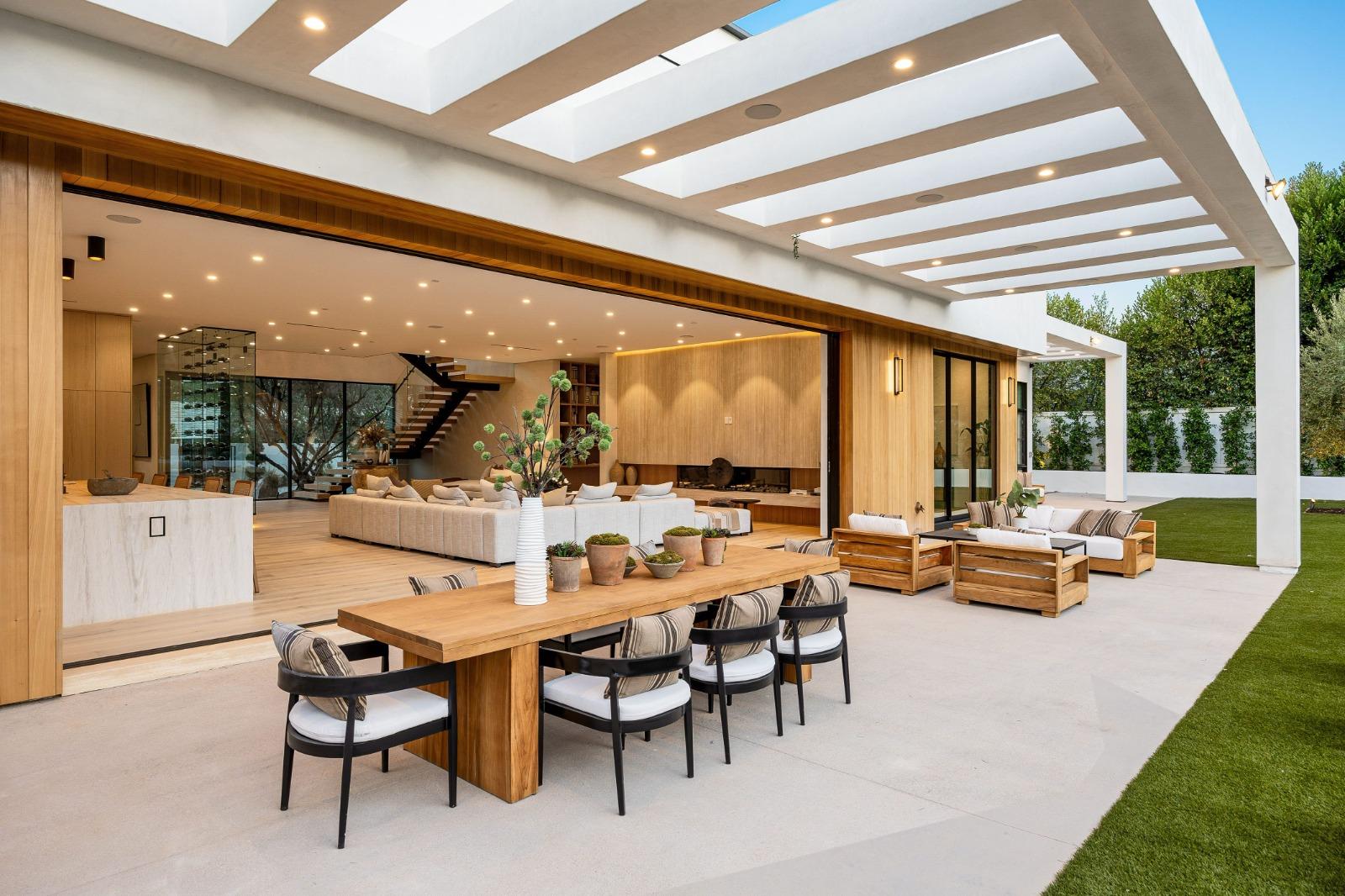
Digital Tools Help, But They Are Not the Whole Answer
Virtual tours, cinematic video, short-form social content and strong photography all have a place in modern luxury marketing, especially as digital transformation in real estate changes how buyers first experience a home. Used well, they help buyers understand a property before they view it.
This is particularly useful for international buyers. Someone overseas may need to understand the layout, the flow, the view and the sense of scale before arranging travel or sending a representative. A good digital presentation can turn distant interest into a more serious enquiry.
Still, the tools are only useful when they serve the story. Digital property marketing should support the property’s positioning, not distract from it. A video, a gallery, a virtual tour and a description should all feel like parts of one clear story. When digital property marketing is handled well, it gives buyers confidence before they speak to anyone. When it is handled badly, it can make even an exceptional home feel ordinary.
Social Media Needs Taste, Not Noise
Real estate social media strategies have become part of almost every campaign, but luxury property needs a different touch. A high-value home should not feel like it is chasing attention. It should not be posted carelessly, over-edited or pushed with language that feels too aggressive. The purpose is to create curiosity, not clutter.
A short film can work beautifully. So can a strong image, a simple line of copy or a glimpse of a view at the right moment. The key is control. Give the audience enough to stop, but leave room for a private conversation.
This is why digital property marketing and social media need to be handled with restraint. For high-value homes, reach is useful only when the presentation still feels controlled, premium and credible. Real estate advertising on social platforms can be powerful, but only when it understands the difference between curiosity and overexposure.
Trust Is Built Before the Viewing
Trust begins earlier than most people think. It starts with the first image, the first sentence, the first response to an enquiry. A buyer wants to feel that the property is being represented properly. A seller wants to know that their home is not being treated like another item in a long list.
That is where elite real estate services become part of the marketing itself. Accuracy, presentation, communication and follow-up all matter. A good advertisement creates interest, but a good experience keeps that interest alive. In luxury real estate, the details are never just details. They are signals.
Luxury property advertising has to build trust before the buyer reaches the viewing stage. It should suggest that the home, the seller and the enquiry process are being handled with care.
The New Standard Is More Curated
The future of luxury property marketing will not belong to the busiest platforms or the loudest campaigns. It will belong to the ones that understand attention properly.
Serious buyers do not want to be overwhelmed. They want clarity, quality and confidence. Advertisers do not just want visibility. They want meaningful exposure, direct enquiries and premium positioning that supports the value of what they are offering.
That is why simply listing a property is no longer enough — and for developers bringing new projects to market, off-plan advertising that reaches the right international audience from launch day has become an essential part of the strategy. The market has moved on.
The new standard is more thoughtful. It is more selective. It gives luxury homes the space, story and audience they deserve. For advertisers, that is the real opportunity: fewer casual browsers, stronger intent and a better way to connect exceptional properties with the people most likely to value them.