
Portals vs. Intent: The Secret to Getting Leads That Actually Close
21 July 2026Written by Jason Hayes
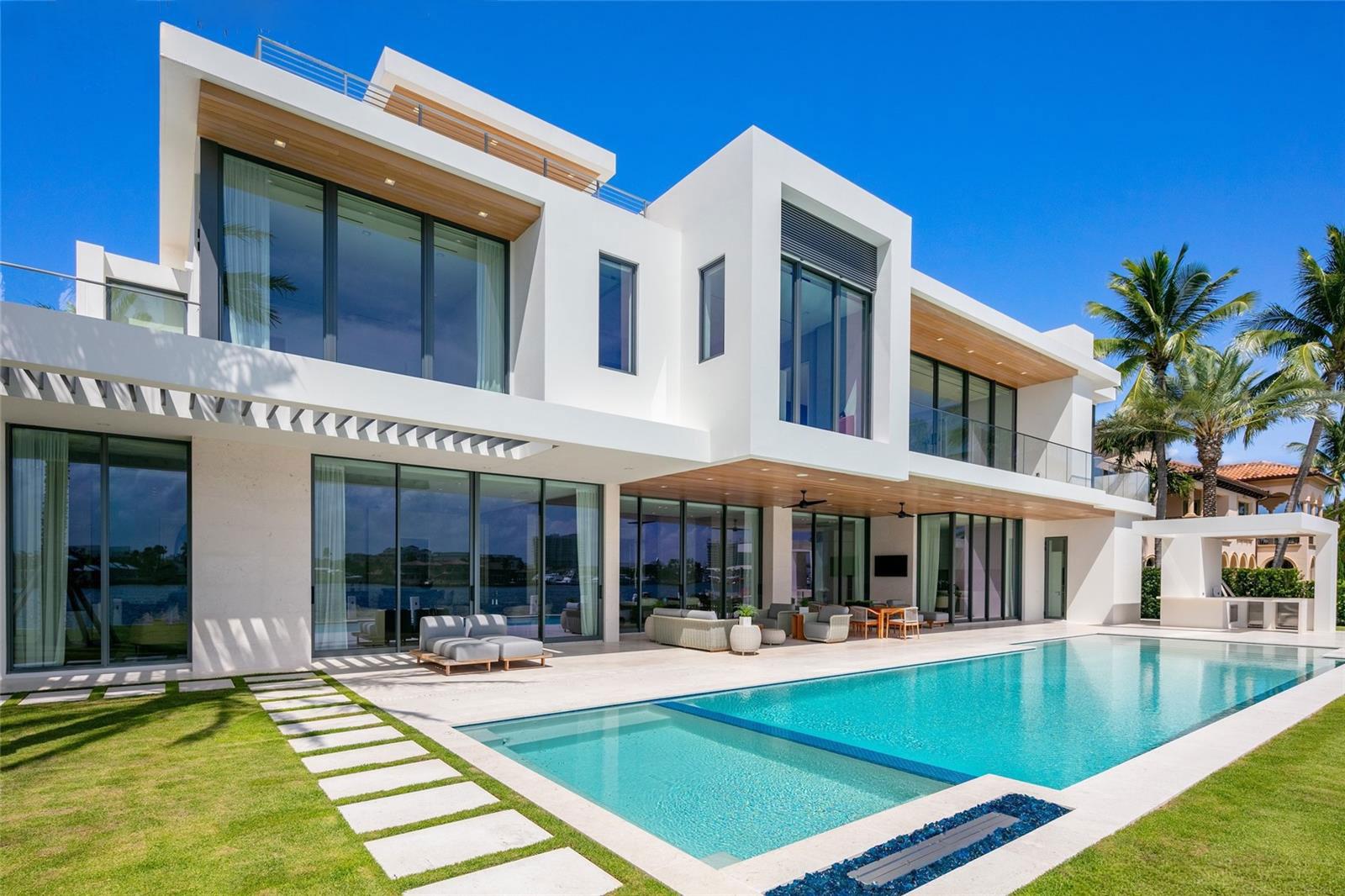
In luxury real estate, the biggest number is not always the number that matters most.
A listing can attract thousands of views and still go nowhere. It can sit on a major portal, collect clicks, look impressive in a report, and still fail to start one proper buyer conversation. On the other hand, a more focused campaign may bring in fewer visitors, but those visitors may be ready to enquire, arrange a viewing, speak to an advisor, or compare one property seriously against another.
That is the real difference between lead quantity and lead quality.
For a long time, real estate lead generation has been judged too heavily on volume. More impressions, more clicks, more form fills, more names in a database. It all looks positive at first, but in the luxury segment, volume can be deceptive. Prime property is not sold by chasing every possible viewer. It is sold by reaching the right buyer at the right point in their decision.
A serious buyer looking at an ultra prime villa, branded residence, waterfront estate, or penthouse is not behaving like someone casually browsing the wider property market. They are not simply checking what is available. They are weighing privacy, location, lifestyle, architecture, service, security, long term value, reputation, and timing.
That is why luxury marketing needs a different measure of success.
The question is not, “How much traffic did we get?”
The better question is, “How much of that traffic turned into qualified enquiries, viewings, conversations, and offers?”
Why traffic does not equal performance
Traffic is useful, but it is only the start. It tells you that someone landed on the page. It does not tell you whether they had the budget, understood the property, were ready to buy, or were simply looking around.
In everyday real estate, broad traffic can still have value because the buyer pool is larger and the price points are more accessible. In luxury property, the audience is smaller, more selective, and usually more careful. A high value buyer may take weeks or even months to move from early research to enquiry. They may compare countries, neighbourhoods, developers, architects, views, privacy, and lifestyle before speaking to anyone.
This is why property advertising ROI should not be based on visibility alone. The real measurement is conversion.
A campaign that brings 500 visitors and 25 meaningful enquiries has a 5% enquiry rate. That may be far stronger than a campaign that brings 10,000 visitors and only 10 serious enquiries. The second campaign looks bigger on paper, but its 0.1% enquiry rate shows weaker intent and lower commercial value.
In simple terms, traffic fills the top of the funnel. Qualified enquiries move the business forward.
For luxury developers, agents, and private sellers, this matters because time is expensive. Every weak enquiry has to be answered, filtered, followed up, and eventually written off. When a sales team spends too much time dealing with poor quality leads, it loses focus on buyers who are ready to act.
Why portals fail luxury developers
Traditional portals are built around scale. Their model depends on large volumes of listings, large audiences, and constant competition for attention. That can work in a broad market where buyers are comparing standard options by price, area, size, and availability.
Luxury property is different.
A premium home should not feel like one more tile in a crowded search result, which is why some owners choose to list exclusively with LuxuryProperty.com when the property requires stronger positioning.
A rare villa, branded residence, or landmark penthouse needs context. It needs to be understood, not just displayed. The buyer needs to see why it matters, how it lives, what makes it different, and why it deserves attention now.
This is where many portals fall short in the luxury segment. They can create exposure, but exposure does not always create intent. A buyer may click because the image is attractive. They may save it out of curiosity. They may send a vague enquiry without any serious commitment. From the outside, the campaign looks active. In reality, the sales team may still be chasing people who are not ready, not qualified, or not serious.
The issue is not that portals have no place. The issue is that their strength is usually volume, while luxury property depends on precision.
A strong strategy for attracting high-intent buyers in real estate starts by understanding that serious buyers behave differently.They search with purpose. They compare carefully. They want trust before they make contact. They may begin on Google, move through video, ask AI tools for recommendations, check social proof, read around the area, and only then enquire once they feel confident.
A portal is one possible stop in that journey. It should not be treated as the whole strategy.
Lead quantity creates noise
A high number of leads can look impressive in a report, but not all leads are equal.
Some enquiries are too early. Some are too vague. Some come from people who have not understood the price level. Some are duplicated across several listings. Some are from buyers who are curious but not active. Some never reply after the first message.
That kind of volume creates work, not momentum.
A sales team then has to qualify each enquiry manually. Who has the budget? Who is already in the market? Who is buying for lifestyle, investment, relocation, or portfolio diversification? Who can view? Who needs financing? Who is simply collecting ideas?
In luxury real estate, this filtering process can become a hidden cost. It affects response time, team energy, and the quality of service given to serious buyers. If the best buyers are mixed into a pile of weak leads, they may not receive the attention they deserve quickly enough.
That is why lead quality is not only a marketing issue. It is an operational issue too.
Good marketing should reduce waste before the enquiry reaches the sales team. It should educate the buyer, frame the property properly, and give owners and developers a more considered way to advertise luxury property to people who are already closer to a decision.
Direct-to-inbox enquiries are stronger
Direct-to-inbox enquiries are valuable because they usually come from a cleaner buyer journey.
Instead of arriving through a crowded portal environment, the buyer has often engaged with a more focused piece of content, search result, campaign, article, property page, video, or brand experience. They have had time to understand the home before making contact. By the time they enquire, there is usually more context behind the message.
That makes the conversation stronger from the start.
For the buyer, the experience feels more direct and personal. They are not simply clicking through a mass listing platform. They are reaching out through a channel that has already shaped their interest.
For the advertiser, the enquiry is easier to measure and respond to. It can be linked more clearly to the campaign that produced it. It can be assessed for quality. It can be followed up quickly by the right person.
In luxury property, this matters. Buyers at this level expect clarity, discretion, knowledge, and speed. A generic reply can weaken trust. A sharp, informed response can move the conversation forward.
This is one reason direct enquiries are often stronger than broad portal leads. They do not just bring a name into the system. They bring a buyer who has already taken a more deliberate step.
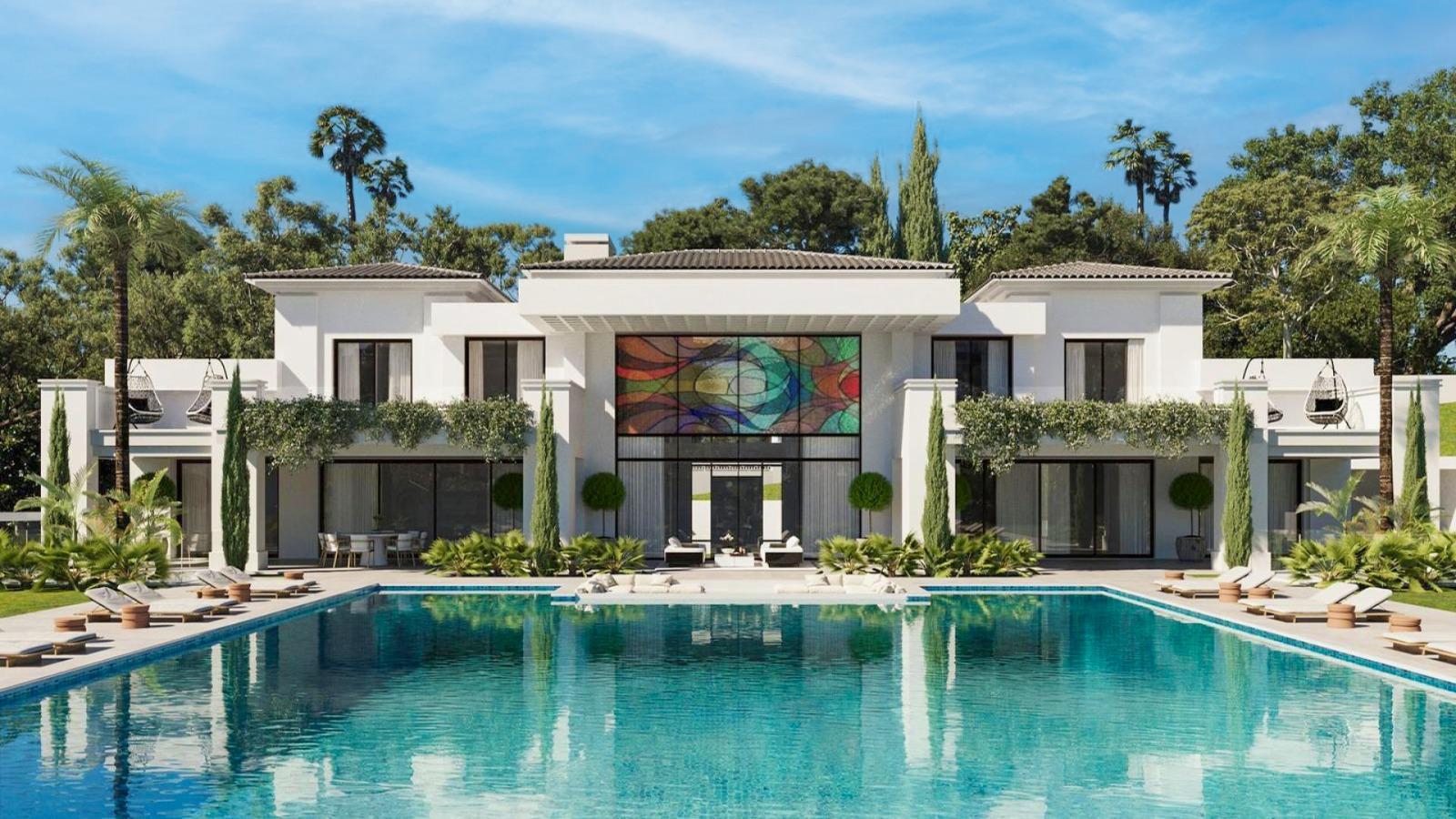
How to generate qualified real estate leads
The best way to generate qualified real estate leads is to build the campaign around buyer intent rather than audience size.
That starts with search behaviour. Someone searching for “luxury villas in Dubai” or “best waterfront homes for sale” is showing a different level of intent from someone casually scrolling through listings. They are looking with direction. They already have a category, lifestyle, or location in mind.
It also means answering the questions serious buyers actually ask. Is the property ready or off plan? What makes the location valuable? How private is it? What are the views like? Is it suitable for family living, investment, relocation, or seasonal use? How does it compare with other prime areas?
Luxury marketing should help the buyer make a decision. It should not simply place a property in front of them and hope they enquire.
Luxury property buyer enquiries vs traffic
The phrase “luxury property buyer enquiries vs traffic” captures the problem well.
Traffic shows attention. Enquiries show action.
A property can be seen by many people and still fail commercially if the audience is too broad. A campaign can attract fewer visitors and still outperform if those visitors are more qualified, more informed, and more willing to speak.
The final goal is conversion.
Did the campaign produce direct enquiries?
Did those enquiries become conversations?
Did the conversations become viewings?
Did the viewings become offers?
Did the property reach the type of buyer it was meant for?
Those are the numbers that matter.
The best way to get property enquiries globally
The best way to get property enquiries globally is not to chase every platform at once. It is to appear where serious buyers are already showing intent.
That may be search, especially when content supports buyers comparing major markets through resources such as a guide to buying property in Dubai.
It may be AI discovery. It may be a specialist luxury property platform. It may be social video. It may be editorial content that explains the value of a destination or development. The channel matters less than the quality of the buyer journey it creates.
For luxury developers and sellers, the smartest strategy is not visibility at any cost. It is controlled visibility, strong positioning, useful information, and a direct path to enquiry.
Traditional portals can still play a role, but they should not be treated as the full performance strategy. The luxury segment needs more than traffic. It needs trust, context, and buyers who are ready to move from interest to action.
In the end, one serious enquiry is worth more than hundreds of empty clicks.
Luxury property marketing should not be judged by how many people looked. It should be judged by who looked, why they looked, and what they did next.