
Sell Your Supercar
21 July 2026Written by Jason Hayes
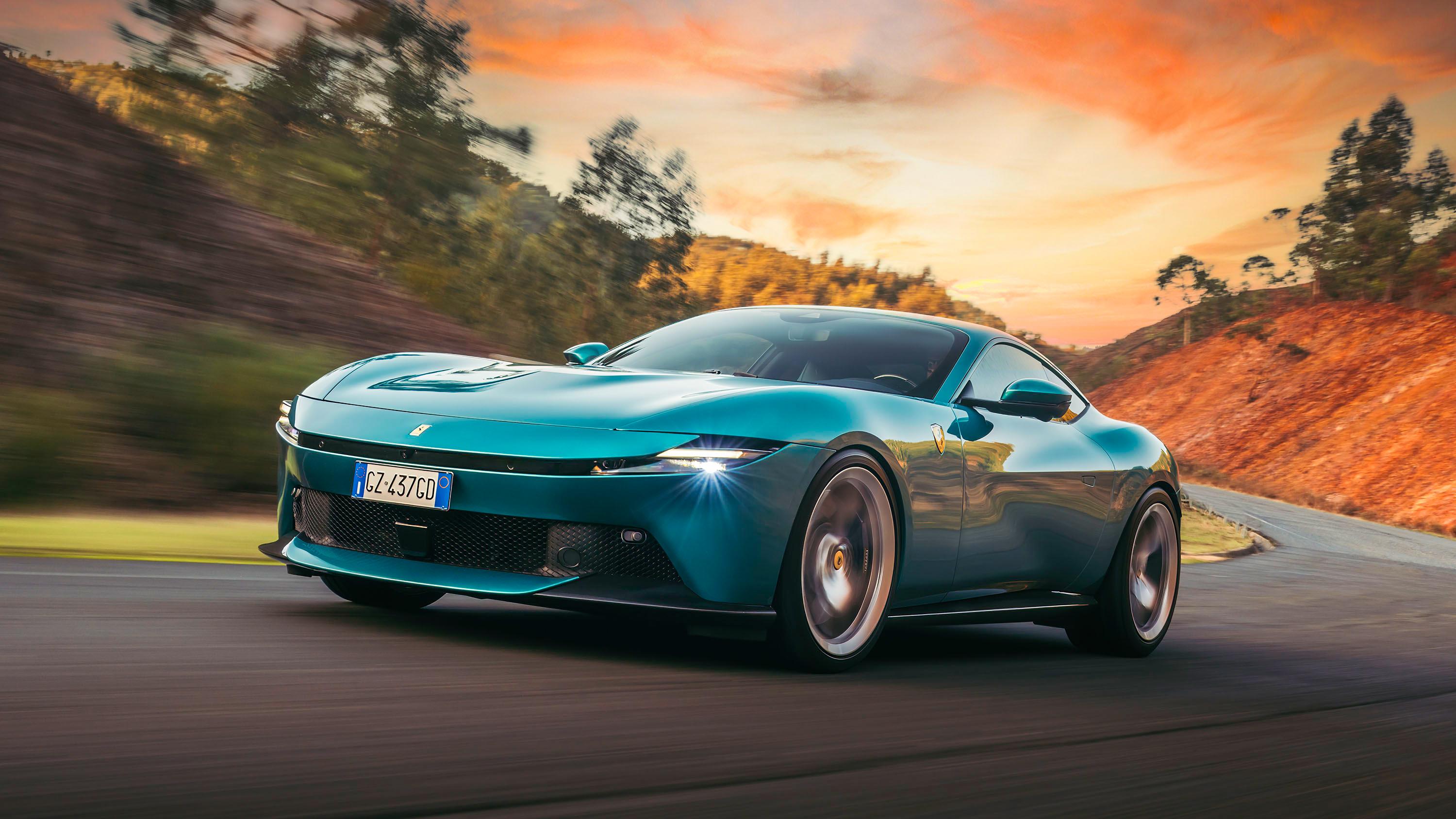
You’re selling a Ferrari, a Lamborghini, a McLaren. Maybe a Porsche 911 GT3 that’s been sitting in climate control for two years. Whatever it is, the instinct is usually the same: throw it on a couple of sites, wait for the calls, see what happens. That rarely goes well.
Selling a supercar takes a different approach than selling a regular vehicle. The buyer pool is thin. The decision cycle is long. And the margin between a well-handled sale and a disappointing one isn't always the car — it’s the preparation, the pricing and where you put it. A December 2025 study by Boston Consulting Group and duPont REGISTRY projects the US luxury and exotic car market will grow from $110 billion today to $180–215 billion by 2035, with used exotic vehicles growing 1.5 times faster than new sales. The buyers are there. They’re well-funded and they research carefully. What they don’t do is chase poorly presented cars or overpriced ones.
Key Takeaways
• The US luxury and exotic car market is worth $110 billion in 2026. Used exotics are growing faster than new sales for the first time.
• Model replacements in 2026 — the Lamborghini Temerario replacing the Huracán — are creating supply surges that compress values on outgoing cars. Timing matters.
• Professional valuation before listing is essential. Overpriced supercars take longer to sell and often close below where correctly priced ones would have.
• Online exotic car sales and specialty platforms reach a far larger qualified buyer pool than local dealerships or general classified sites.
• Professional photography and a complete service history are the two factors that separate fast sales from slow ones, all else being equal.
Understanding the Market
Current Trends in Exotic Car Sales
The used exotic car sales market is in one of its stronger positions in recent memory heading into 2026. Rising new-car production costs and extended factory waitlists are pushing buyers toward pre-owned. BCG forecasts six to eight percent annual growth in the $100,000–$170,000 segment specifically — both new and used. For most supercar sellers, that’s the right part of the market to be selling into right now.
There’s a timing factor in 2026 worth knowing. The Lamborghini Temerario is replacing the Huracán, and the trade-ins are already arriving. More supply in the same segment compresses pricing on outgoing inventory. If you own a model being replaced, the window to sell at favorable terms is narrowing. The 2026 luxury cars that matter are shifting the conversation about which models hold value and which ones face a crowded resale market.
Target Audience Insights
The serious buyer of a used supercar in 2026 is usually already in the hobby. They own something. They know the car better than most dealerships. What moves them isn’t the headline spec — they’ve memorized it. It’s provenance. Service history. Whether the seller can answer the hard questions without hesitation. Emotion drives the decision, according to BCG’s research, but 95% of buyers said the experience around the purchase shaped their satisfaction more than the car spec.
Preparing to Sell
Evaluating Your Supercar’s Worth
Here’s where most private sellers lose money. They price based on what similar cars are listed for, not what they actually sold for. Those are different numbers. Listed prices include cars that have been sitting for four months. Transaction prices are what the market is actually paying.
Get a professional appraisal from a specialist who knows the specific model. A Ferrari 458 with full dealer service history and factory spec is a different proposition from one with three owners, two track days and aftermarket wheels — same mileage, different car. Mainstream valuation tools don’t capture that. A specialist does.
Necessary Documentation
Before listing anything, check for open safety recalls at the National Highway Traffic Safety Administration. An outstanding recall that surfaces during a buyer’s pre-purchase inspection will kill the deal, and it’s entirely preventable. Beyond that, the documentation package a serious buyer expects includes:
Clean title in the seller’s name, free of all liens
Full service history with receipts, ideally from authorized brand dealerships or recognized independent specialists
Written disclosure of any modifications, trackday use, paint corrections or accident history
Current emissions and safety compliance documentation for the sale state
Any active manufacturer warranty or extended coverage documentation
“A supercar with a complete, authorized service history sells faster and for more money than an identical car with gaps. Documentation isn't paperwork. It's provenance.”
Best Places to Sell Your Supercar
Online Supercar Auctions
Auction platforms pull large, engaged audiences. When two motivated buyers are competing for the same car, the hammer price can exceed private-sale expectations. A weak auction day or a poorly timed listing can just as easily result in a low sale or a no-sale. Set the reserve realistically. Online supercar auction fees typically run three to six percent of the final figure.
Listings on Specialty Websites
General classified sites are built for Camrys. Not for supercars. The audience quality is too mixed and the listing experience doesn’t match what a buyer expects when they’re spending real money. LuxuryProperty.com Cars gives exotic and high-performance vehicles access to a qualified international audience — buyers who arrive already knowing what they’re looking for. Meeting the new standard in luxury asset marketing at this price point means the platform, the imagery and the listing quality all have to match the car.
Local Dealerships vs. Online Platforms
Each channel has different trade-offs:
Channel | Buyer Reach | Control | Speed | Typical Cost |
Online Auction | High — competitive bidding | Low once live | Fast, fixed date | 3–6% commission |
Specialty Website | High — qualified, intent-driven | Full | Moderate (weeks) | Listing fee |
Local Dealership | Low — walk-in traffic only | Low | Variable | 10–15% margin absorbed |
Private / Social Media | Moderate | Full | Slow | Low cost, high time |
Most experienced sellers use a combination: specialty platform for sustained exposure, auction to test appetite. Dealers work for a fast exit only. They need margin and they price accordingly.
Selling Strategies
Crafting an Attractive Listing
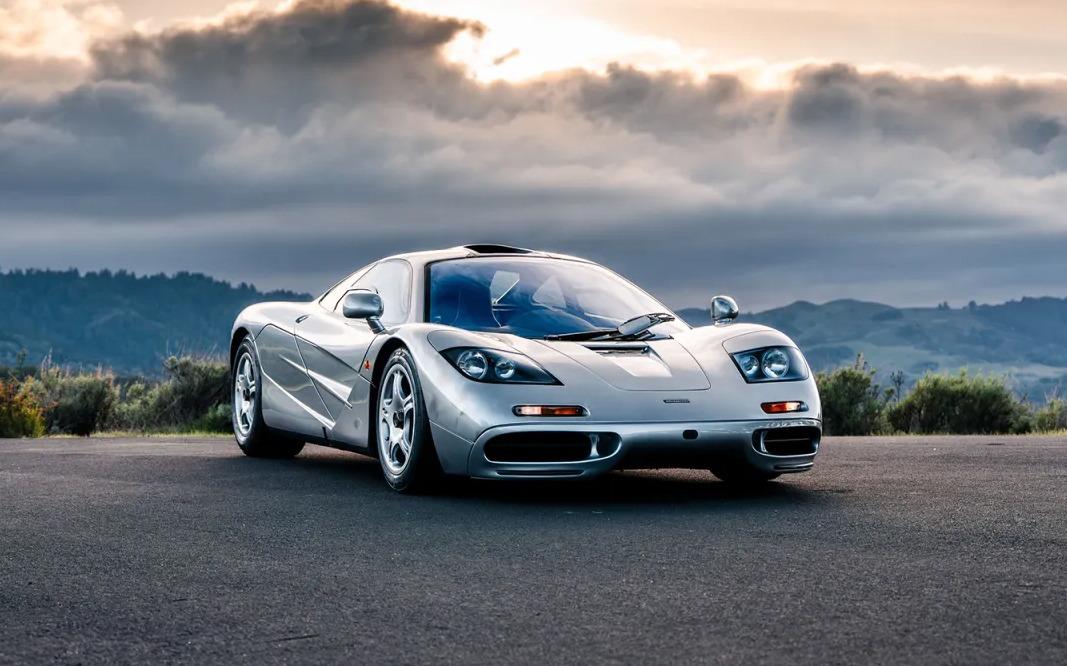
Write the listing for the buyer who already knows the car. They don’t need to be told a GT3 is fast. What they need is the ownership story: who had it, how it was used and which factory options it left the assembly line with. Reaching high-intent buyers means answering the questions they’d ask in person. Specific, verifiable detail generates calls. Superlatives generate silence.
Effective Photography Tips
Photography is where most private sellers underinvest. A car listed at $200,000 should look like a car listed at $200,000. That’s not negotiable. Six things that make the difference:
• Shoot at golden hour — flat midday light kills paint depth and hides the bodywork
• Clean the car completely before shooting, including tyres, wheel barrels and engine bay
• Capture all four corners plus straight-on front, rear and both sides
• Interior, steering wheel, dashboard and driver’s door sill in close detail
• Photograph any options, spec upgrades or bespoke elements separately with captions
• Document stone chips, scratches or wear honestly — surprises at viewing kill deals
Utilizing Social Media
Instagram and YouTube are where exotic car culture lives. A well-shot walk-around on the right account can generate serious enquiries in 24 hours. Target channels where knowledgeable buyers are, not broad audiences. The new era of international buyer marketing applies here as much as anywhere else — the right buyer for your car might be in London, Dubai or Singapore.
Closing the Deal
Negotiating Offers
Serious buyers negotiate. That’s not a red flag — it means they’re engaged. Price high enough to have room but inside the range where real buyers search. Have actual transaction data ready, not asking prices from stale listings. Know your walk-away number before the first call. The buyer with the most detailed questions is almost always the most serious one.
Finalizing the Sale Process
Use an escrow service. Both parties benefit from a neutral third party holding funds while the title transfers. The buyer gets certainty before wiring money; the seller gets protection before releasing the car. A bill of sale covering the agreed price, condition, excluded items and the as-is nature of the transaction should be signed before any funds move.
After the Sale: Next Steps
Once the keys are gone, cancel the insurance immediately — coverage on a sold vehicle creates liability exposure. File the title transfer with your state DMV and remove the plates before the car leaves. Keep copies of everything — bill of sale, title transfer, service records — for at least seven years.
If the sale price significantly exceeded what you paid, speak to a tax adviser. Exotic cars held for investment may qualify for long-term capital gains treatment depending on holding period and use.
And if the sale went well, note what worked. The sellers who get the best prices consistently aren’t the ones with the rarest cars. They’re the ones who make it easiest for a buyer to say yes.
Frequently Asked Questions |
What is the best place to sell your supercar in 2026? For maximum price, a specialty platform like LuxuryProperty.com Cars combined with an online auction generates the most buyer competition. For speed, a direct approach to a dealer or specialist broker works fastest. Most experienced sellers run both channels simultaneously. General classifieds and social media alone rarely produce the best results at this price point. |
How long does it take to sell a supercar online? A well-priced exotic car on the right platform typically generates serious enquiries within two to four weeks. Overpriced listings can sit for months and often close below where a correctly priced car would have. Pricing accuracy and listing quality — photography and service history — cut the time to a serious offer substantially. |
Do I need documentation beyond the title to sell my supercar? Yes, and it matters significantly. A complete service history from authorized dealers or recognized specialists directly affects both sale speed and final price. Outstanding NHTSA recalls, undisclosed modifications or service gaps are the most common reasons deals collapse late. Get documentation together before the car goes live — not after a buyer asks. |
Quick Recap |
→ US luxury and exotic car market worth $110B in 2026. Used exotics growing 1.5x faster than new sales. → Model replacements in 2026 are creating supply surges. Sell before the inventory hits if your car is affected. → Valuation, documentation and professional photography are the three non-negotiable sale essentials. → Specialty platforms and online auctions reach the most qualified buyers. Dealers are fast but costly. |
Actionable Next Steps |
1. Get a professional appraisal from a model specialist before setting a price. 2. Assemble the full documentation package: title, service history, NHTSA recall check and modification records. 3. List on a specialty platform with professional photography before approaching dealers or auctions. |
About LuxuryProperty.com |
LuxuryProperty.com connects exceptional assets with serious buyers across the world's prime markets. For sellers wanting to reach qualified buyers for premium assets globally, the platform provides curated placement in front of an international audience already searching with genuine intent. |