
Luxury Homes Need a Different Strategy
21 July 2026Written by Jason Hayes
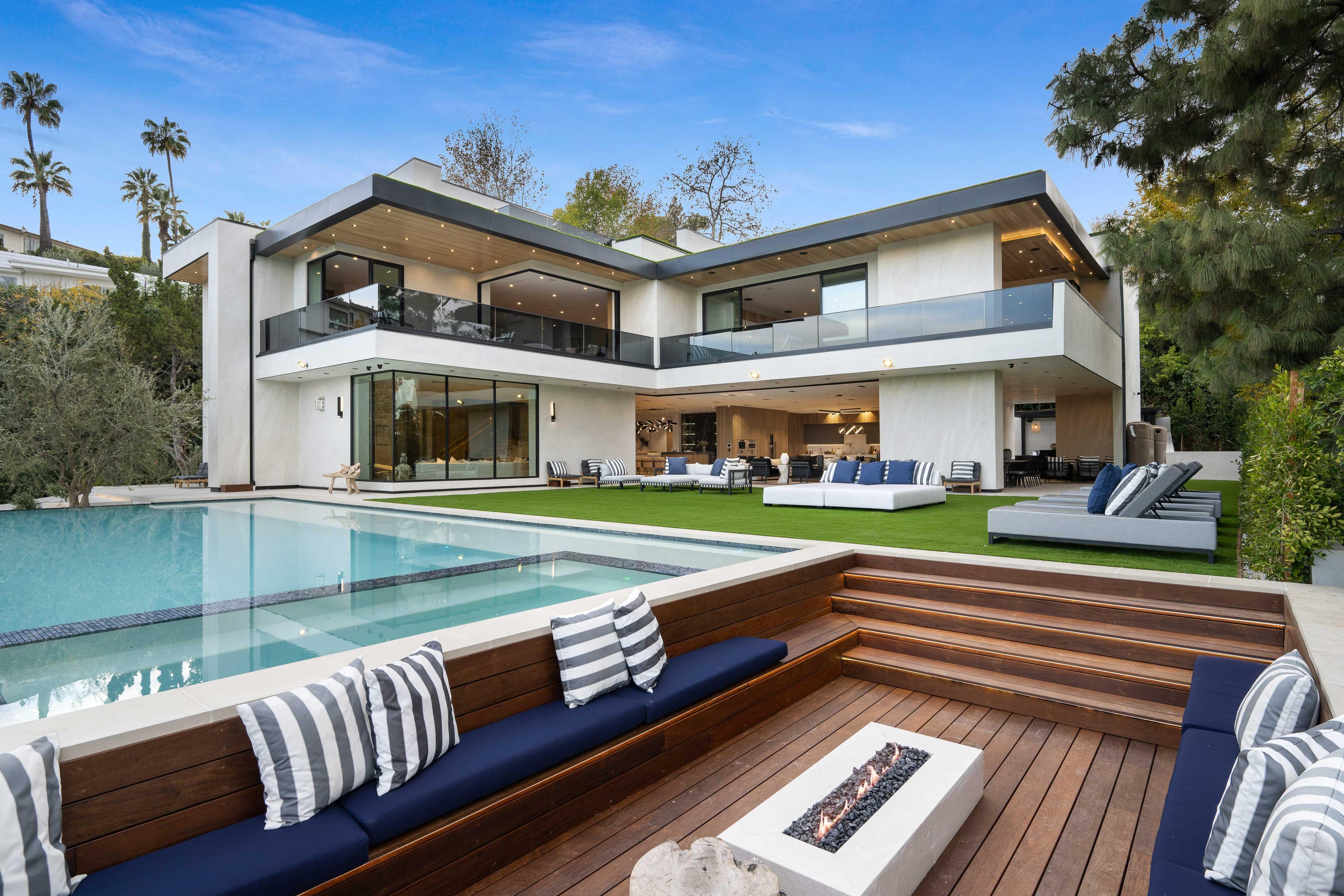
There is a moment with certain homes when the usual property language suddenly feels too small.
You can say a villa has six bedrooms. You can say a penthouse has skyline views. You can mention the pool, the private lift, the marble, the terrace, the size of the plot and the address. All of that matters, of course. But with a true luxury home, the facts are only part of the story.
The real value often sits in the feeling of the place. The quiet when you arrive. The way the light falls across the living room in the late afternoon. The privacy of a garden that cannot be seen from the street. The sense that this is not just a home someone can buy, but a home someone will remember.
That is why luxury homes need a different strategy. They cannot be marketed in the same way as ordinary properties. They need more thought, better positioning and a much stronger understanding of the buyer.
Key Takeaways
• Luxury property marketing is a fundamentally different discipline from standard real estate advertising. Volume and visibility are not the goal.
• The right audience matters far more than a large one. A single qualified enquiry is worth more than dozens of casual leads.
• The platform a property appears on changes how it is perceived. A premium home in the wrong setting loses impact before anyone reads the description.
• Presentation and storytelling carry commercial weight. Weak photography, thin copy and poor positioning all reduce a property’s perceived value.
• International buyers form their first impression entirely online. The digital presentation is the beginning of the relationship, not a supplement to it.
• The best luxury marketing does not rush the buyer. It gives the property presence, builds trust and makes the right person stop and imagine a life there.
Why Volume-Based Marketing Fails Exceptional Homes
For many years, property marketing was treated as a numbers game. More listings, more clicks, more enquiries, more visibility. That approach still works in parts of the market. But luxury real estate works differently — and understanding that difference begins with knowing what high-intent buyers are actually looking for when they search for a premium home.
A rare home does not need to be thrown in front of everyone. It needs to be placed in front of the right people, in the right setting, with the right story around it. That difference is easy to miss, but it matters.
The UAE Luxury Buyer Has Changed
In the UAE, the luxury property market has become far more sophisticated. Dubai and Abu Dhabi are no longer viewed only as fast-moving investment destinations. Data published by the Dubai Land Department shows that residential transactions have grown year on year, with international buyers registered from more than 150 nationalities — a figure that reflects how thoroughly the UAE has established itself as a global lifestyle destination rather than simply a regional market.
These are now lifestyle cities for people who could choose to live almost anywhere. Some buyers are relocating for business. Some are looking for a secure family base. Some are adding property to a wider investment portfolio. Others want a home that reflects a certain stage of life: a waterfront villa, a branded residence, a private estate, or a penthouse with a view that feels impossible to replace.
These buyers are not easily impressed by vague words. They have seen beautiful homes before. Research from the Knight Frank Wealth Report shows that ultra-high-net-worth individuals regularly compare prime properties across multiple cities before committing — which means their expectations are shaped by the best they have seen globally, not locally. Many of them have bought internationally and dealt with experienced advisors. They can tell when a listing has been rushed. They notice poor photographs. They notice when a property is being pushed too hard.
More importantly, they notice context.
The Wrong Platform Can Cost a Home Its Value
A luxury home shown in the wrong environment can lose some of its force. It may still be exceptional, but the way it appears online can make it feel ordinary. This is one of the biggest weaknesses of mass-market portals. They are designed for volume. That is their purpose. They gather thousands of listings and make it easy for people to search quickly. For many properties, that is fine. For an exceptional home, it can feel too crowded.
A waterfront villa should not have to fight for attention between duplicate listings, basic adverts and homes that are not aimed at the same buyer at all. A serious penthouse should not feel like just another thumbnail in a long scroll. Luxury depends on presentation. It depends on space, restraint and a sense of quality before the buyer even opens the listing.
What a Curated Platform Does Differently
A curated space does not simply ask, “How many people can see this?” It asks, “Who should see this, and how should they experience it?” That is a much better question for luxury property sellers, professional agencies and investors who care about more than basic exposure.
A good luxury real estate platform helps protect the value of the home by giving it a setting that feels aligned with its price, its audience and its story. It also helps filter the type of attention the home receives. In luxury, quality enquiries are worth far more than a long list of weak leads.
This is something sellers often learn quickly. A large number of enquiries may look promising at first, but if most of them are casual, unrealistic or poorly matched, they become a distraction. Agents lose time. Sellers lose patience. The process starts to feel noisy. One serious buyer with the means, intent and emotional connection to the home is worth far more than dozens of people who were never going to move forward.
Mass-market portal vs curated luxury platform — what the difference means for an exceptional home
Factor | Mass-Market Portal | Curated Luxury Platform |
Primary audience | General property searchers, all budgets | Qualified luxury buyers with high intent |
Volume vs quality | Optimised for click volume | Optimised for enquiry quality |
Listing environment | Mixed inventory at all price points | Premium homes in a relevant context |
Buyer expectation | Casual browsing and comparison | Considered evaluation with intent to act |
Impact on property | Home competes in a crowded feed | Home presented with space and editorial weight |
Best suited to | Standard residential, rental stock | Rare homes, luxury developments, exceptional inventory |
Premium home buyers usually want a calmer experience. They want clarity, privacy and professionalism. They want accurate information, strong images and a reason to trust what they are seeing. Some will be viewing from overseas. Some will be working through advisors. Some will only make contact once they feel the property is genuinely worth their time.
How to Tell the Right Story for a Luxury Home
That is why high-end real estate marketing has to be more careful. It cannot rely on empty phrases. It has to understand what makes the home difficult to replace.
What makes a luxury home difficult to replace — and what the marketing needs to communicate:
• Address and location: the rarity of the plot, the prestige of the street, the proximity to amenity or water
• Architecture and design: the quality of the build, the designer involved, the materials and finishes throughout
• Privacy and security: the separation from neighbours, the controlled access, the sense of ownership without intrusion
• Views and light: the specific outlook, the height, the way natural light moves through the home across the day
• Services and management: branded residences, hotel-style amenity, concierge and the ease of a fully supported lifestyle
• Investment logic: supply constraints in the location, rental yield potential, long-term demand and capital growth trajectory
Luxury lifestyle branding plays a big part here, but it needs to be done properly. It is not about making a home sound expensive. It is about giving the home an identity. A family villa should speak to comfort, space and everyday ease. A beachfront home should carry the feeling of water, openness and slower mornings. A city penthouse should express height, energy, arrival and perspective. An investment-led property should explain why the location, demand and long-term appeal make sense.
“The strongest descriptions are confident because they are specific. They do not try to make every detail sound extraordinary. They simply know which details matter.”
Presentation is just as important. A home can be beautiful in person and still fail online if the photography is weak. The wrong angle can make a room feel smaller. Bad lighting can flatten expensive finishes. A thin description can make a rare property sound forgettable.
Trust is fragile in luxury real estate. Once a buyer feels that a listing is exaggerated, unclear or carelessly presented, it is difficult to win that confidence back.
This matters even more in the UAE because so much buyer interest is international. A person looking at a Dubai home from London, Mumbai, Riyadh, Singapore, Geneva, or Hong Kong may form their first impression entirely online. They may not book a flight or arrange a private viewing unless the digital presentation feels strong enough. For them, the listing is not a small step. It is the beginning of the relationship.
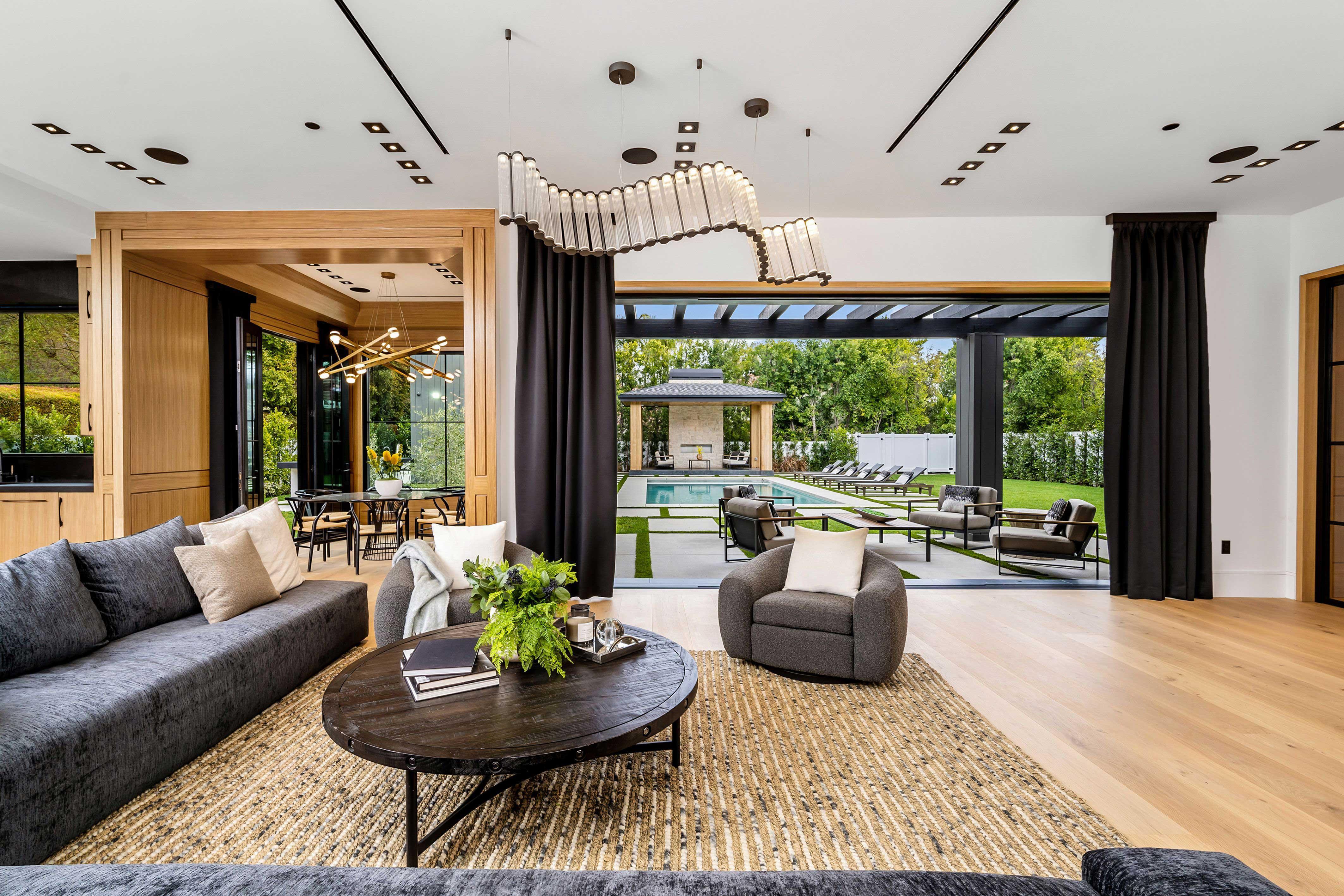
Luxury property investment also requires a slightly different message. Investors may appreciate beautiful design, but beauty alone is not enough. They want to understand the wider logic. Is the location limited in supply? Is there strong rental demand? Does the property suit the type of tenant or future buyer who will pay a premium? A good real estate marketing strategy answers these questions without turning the listing into a dry report. It blends lifestyle with reason.
To advertise exclusive homes well, the first step is not simply uploading the listing. The first step is deciding what the home is really about.
How to position a luxury home before a single photograph is taken:
Define the home’s identity: private retreat, statement address, family estate, rental asset or lifestyle residence
Identify the primary buyer: their nationality, motivation, stage of life and what they are genuinely searching for
Write the headline around that buyer, not around the square footage
Commission photography that reflects the home’s mood, not just its rooms
Choose a platform whose context and audience match the quality of the home
This is also why many agencies, private sellers and investors who want to sell a luxury home look beyond general portals when marketing exceptional homes. LuxuryProperty.com fits naturally into this space because it gives premium homes a more refined environment, stronger brand alignment and access to a global audience already interested in high-end property.
That kind of setting changes the way a home is perceived. It helps the property feel less like an advert and more like an opportunity.
The Future of Luxury Property Marketing
The future of luxury home advertising will not be won by those who shout the loudest. It will be won by those who understand the difference between visibility and value. A property can be seen by thousands and still be misunderstood. Another can be seen by fewer people, but by exactly the right people, and move much closer to the result the seller wants.
Luxury homes need a different strategy because they are different assets. They carry emotion, identity, wealth, privacy and long-term meaning. They are not everyday purchases. They are decisions that people think about carefully, sometimes for months.
The best marketing respects that. It does not rush the buyer. It does not flatten the home into a list of features. It gives the property presence. It creates trust. It makes the right person stop, look again and imagine a life there.
And in luxury real estate, that is where the real conversation begins.