
Top 10 Most Expensive Horses Ever Sold
26 February 2026Written by Michaela Grosu
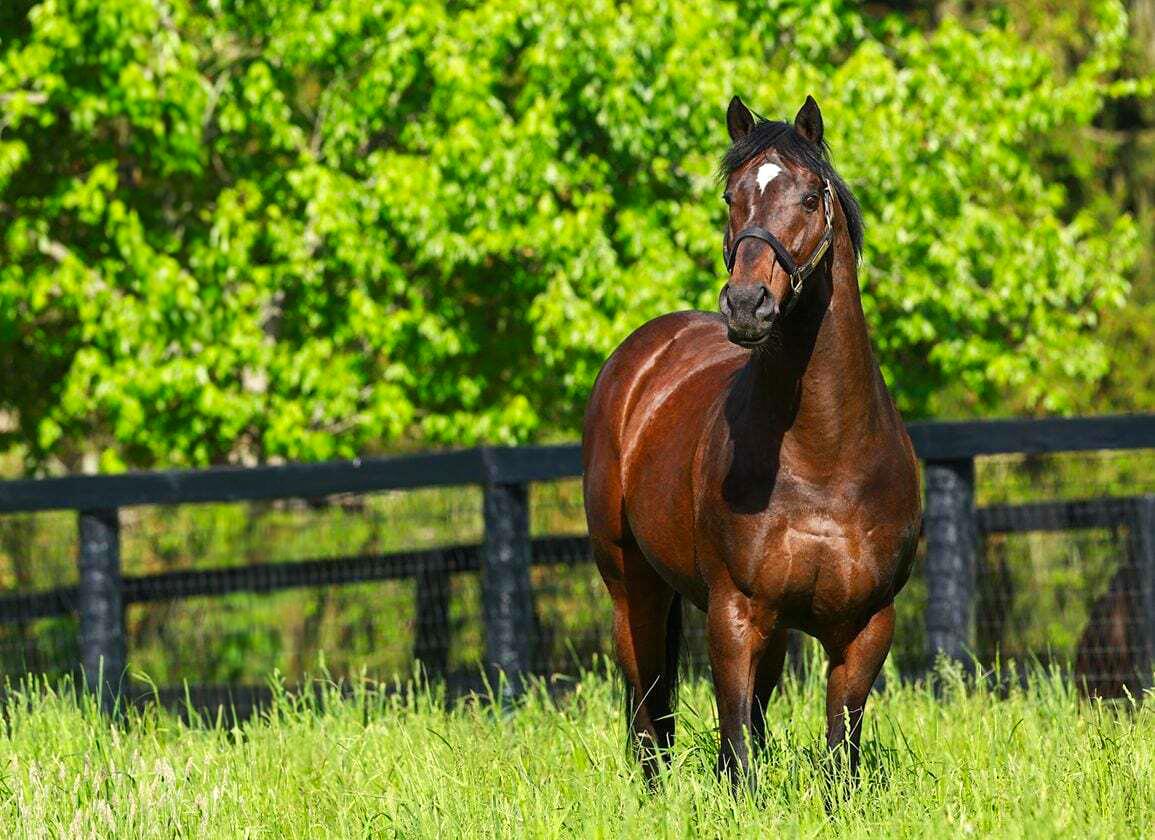
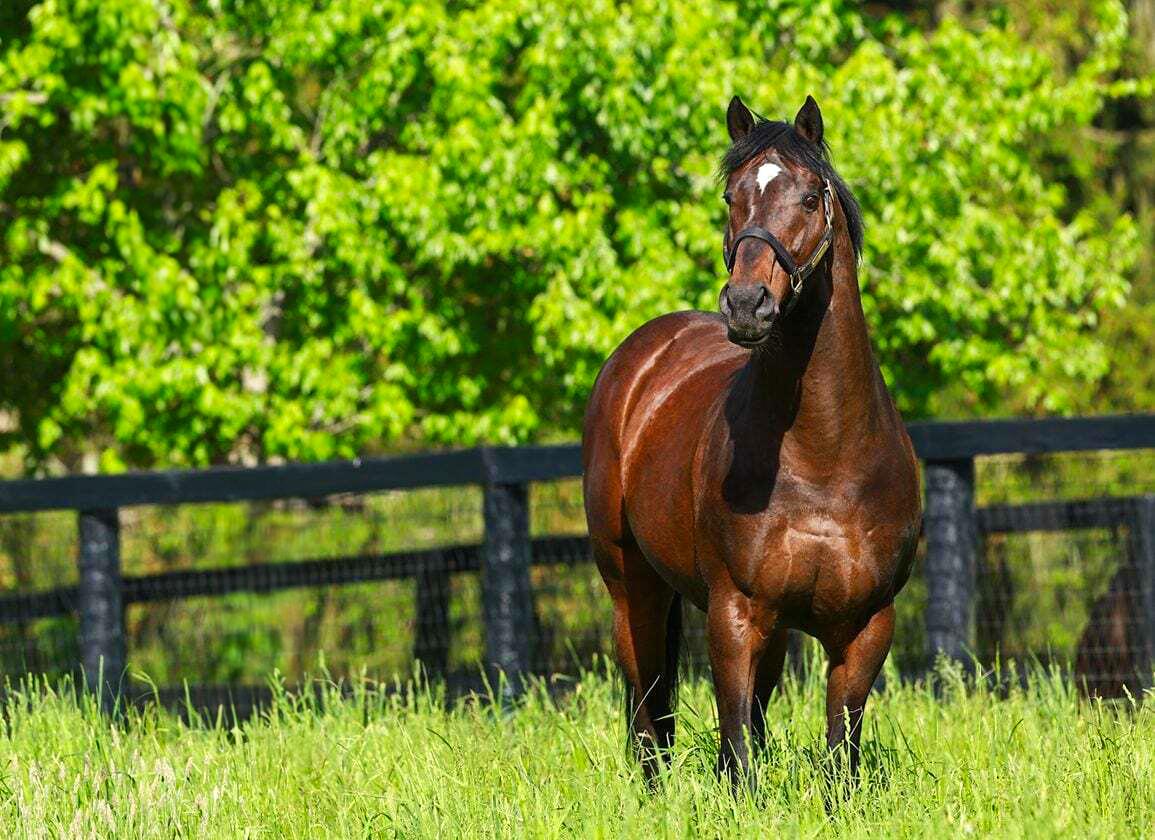
The scene is easy to imagine, even for those who have never set foot in a sales ring. The hush before a bid. The subtle nod that signals “yes” without a word. The distinctive blend of glamour and tension, where composed expressions attempt to conceal racing heartbeats. When horses sell for eye-watering figures, it is never solely about sport. It is about reputation, timing, bloodlines, and the compelling belief that the next legend may be standing in the ring.
One important thing upfront, because accuracy matters. Not every blockbuster deal comes with a neat, public receipt. Some prices are confirmed at open auction, much like the record setting pieces you’ll see in most expensive watches in the world. Others are widely reported estimates tied to private sales, syndicates, or breeding rights, where the real structure can be more complicated than a single cheque. So if you are asking "what's the most expensive horse ever sold”, the answer depends on whether you mean publicly confirmed auction results, or the biggest figures commonly reported across the sport. With that said, here are ten of the most expensive horses ever sold, and why people paid what they paid.
Ten of the Most Expensive Horses Ever Sold
1) Fusaichi Pegasus, $70 million (2000)
If there is one name that still defines “most expensive horse ever sold” in modern racing talk, it is Fusaichi Pegasus. Winning the Kentucky Derby already puts a Thoroughbred in rare company, but the reported $70 million figure pushed him into a different universe. What buyers were really chasing was future earning power as a stallion. In top-tier racing, a Derby winner with the right pedigree is not just a champion, it is a breeding prospect that could shape an entire line.
2) Justify, about $60 million (2018)
Justify’s story reads like a script written for maximum drama. He arrived late, raced briefly, and still swept the Triple Crown unbeaten. That kind of perfection creates its own madness, especially when a horse retires early. Scarcity matters. A short career can increase mystique, and mystique lifts value. The figure most often discussed sits around $60 million and is linked to breeding rights and stud value, which is exactly how the top end of the market works.
3) Shareef Dancer, $40 million (1983)
Long before a sale could go viral in minutes, Shareef Dancer became a global headline with a number so outrageous for its era that the industry never forgot it. His pedigree carried serious weight, being by Northern Dancer, a name that still makes breeders sit up straighter. The price reflected belief in long-term influence. At that level, the horse is not only an athlete, it is a breeding proposition with generational upside.
4) Annihilator, reported $19 million
Annihilator is one of those entries that sparks debate every time it appears on a list of expensive horses. The $19 million figure is widely reported, but the public record is not as clear-cut as major open auction results. The safest way to treat this one is as a commonly cited high-value private deal, linked to pedigree and presence, rather than a clean, easily verified ring sale.
5) The Green Monkey, $16 million (2006)
This sale is famous for one reason, and it is not his race record. The Green Monkey became the most expensive two-year-old ever sold at public auction at the time, and the room paid for promise. Breeze-up sales can do that. A young horse looks electric in a short workout, the pedigree reads like a dream, and suddenly everyone can picture the winner’s enclosure. Reality did not match the fantasy on the track, but the sale remains the perfect snapshot of how expensive potential can become.
6) Palloubet d’Halong, about $15 million (2013)
Not every record belongs to racing. Palloubet d’Halong is often cited as one of the highest-priced showjumpers ever sold, with a reported figure in the $15 million range. In showjumping, the premium is paid for a very specific mix: scope, carefulness, courage, and a mind that holds together in big arenas. A horse that can win at the top level is rare, and rarity is the fuel behind the world's costliest horse conversations.
7) Moorland’s Totilas, widely estimated around $15 million (2010)
Totilas was not only a champion dressage horse, he was a phenomenon. He made dressage feel thrilling to people who did not even know what they were watching. Scores soared, crowds grew, and the partnership felt almost unreal. His sale was widely reported around $15 million, though exact figures vary depending on the source. What is not in doubt is the impact, Totilas helped redefine what a dressage superstar could be worth.
8) Better Than Honour, $14 million (2008)
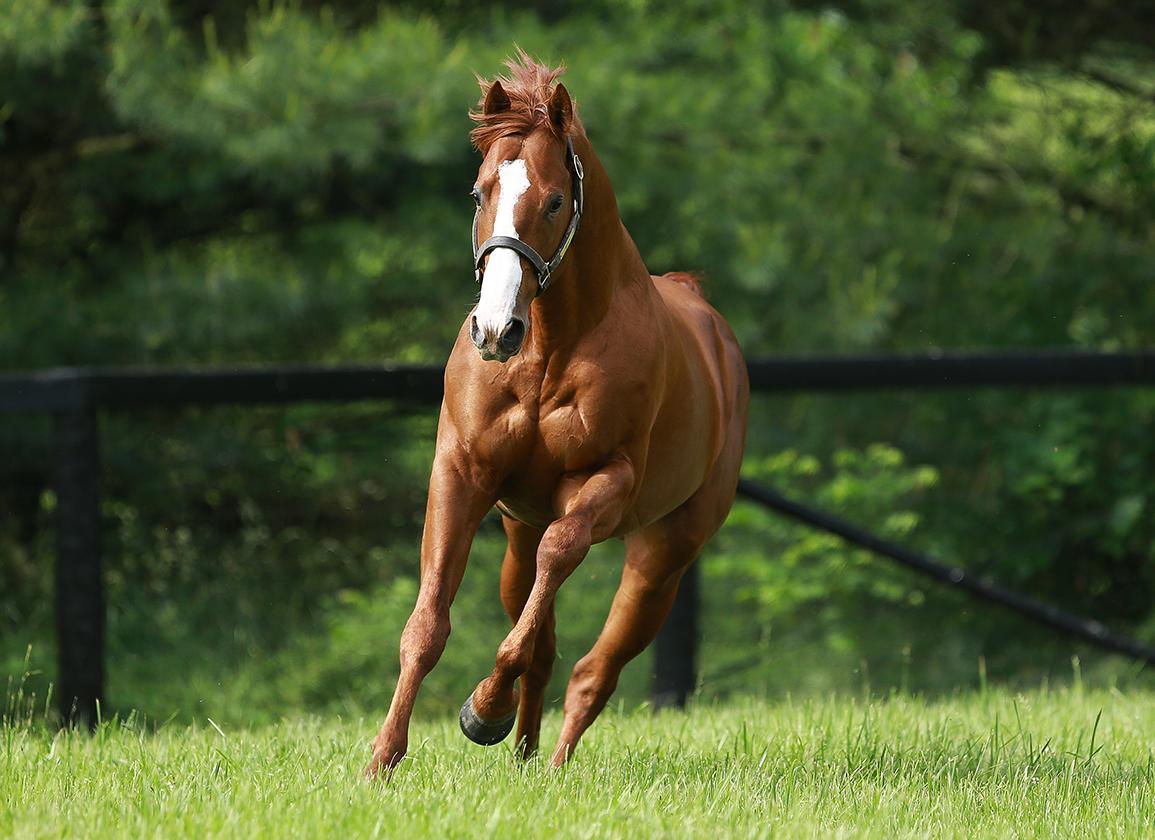
Better Than Honour earned her place here less for what she did on the track and more for what she produced afterwards. As a broodmare, she became a headline-maker, selling for $14 million at a major sale. This is the breeding world at its sharpest. A proven mare, especially one connected to classic winners, can be more valuable than many racehorses because her influence can be repeated through foals year after year. It is legacy you can actually breed.
9) Seattle Dancer, $13.1 million (1985)
Seattle Dancer is still talked about as one of the most memorable yearling sales ever. A yearling is a promise, not a proven athlete, so paying over $13 million is a loud declaration of confidence. Buyers were captivated by pedigree and the belief that he could become an elite performer and later a valuable stallion. Even now, his name is shorthand for the moment the yearling market proved it had no ceiling.
10) Meydan City, $11.7 million (2006)
Meydan City was bought as a yearling for $11.7 million, instantly placing him among the most expensive young Thoroughbreds ever sold. His race career did not fully match early expectations, but the sale still matters because it shows what pedigree and possibility can command. At this end of the market, buyers often pay for what the horse might become both as a runner and later as part of the breeding landscape.
Inside the Economics of Elite Horses
If you strip away the glamour, the logic is surprisingly consistent. Bloodlines come first. In racing and elite sport horse disciplines, pedigree is not a nice extra, it is the foundation. It does not guarantee success, but it narrows the odds in a world where nothing is guaranteed. This is also why people ask about the most expensive horse breed, because certain lines and breeding programmes repeatedly produce champions, and that reputation gets priced in. Performance, or the promise of it, does the rest. A champion proves value in public. A spectacular young horse can create private fever, especially if buyers think they have spotted greatness before everyone else.
Then there is future earning power, and if you like seeing how scarcity prices are unexpected, the 20 most expensive books in the world is a surprisingly addictive comparison. The most expensive race horse is rarely valued only for prize money. Stallions can generate income through stud fees. Broodmares can produce valuable foals. Elite show horses can win major events and lift a rider’s career, sponsors, and standing. The numbers look wild, but the motivation is usually the same: the hope of building something that lasts longer than one season.
When Price Becomes a Statement
These sales sit where sport meets ambition. Some of these horses justified every ounce of hype. Others became cautionary tales that people still talk about in lowered voices. But all of them point to the same truth: when a horse captures imagination, the price can stop behaving like a price and start behaving like a statement, and if you enjoy headline-making numbers, top 13 most expensive phones in the world is another fun rabbit hole.
If the question is simply “most expensive horse in the world”, Fusaichi Pegasus is the name that still tends to lead the conversation, and for another angle on ultra-high price tags, the most expensive yachts in the world puts scale into perspective. If the question is “most expensive horse ever sold”, it helps to remember the fine print, confirmed auction headlines and widely reported private figures do not always follow the same rules.