
The Importance of Storytelling in Off-Plan Real Estate Marketing
21 July 2026Written by Jason Hayes

Selling a finished home has a kind of honesty to it. A buyer walks in, pauses, looks around, and starts understanding the place before explanation. They notice the view. They feel whether the rooms are calm or awkward. They picture a coat by the door, coffee on the counter, friends at the table. The home starts selling itself.
Off-plan real estate does not have that advantage.
There may be a model apartment, a sales gallery, polished renders, and a launch film, but the finished home is still in the future. The buyer cannot step onto the real balcony yet. They cannot hear the lobby doors open or test the morning light. So the decision sits in a more delicate place. It depends on trust, imagination, timing, and the ability to believe in a life that has not fully taken shape.
That is why storytelling matters. It is not about decorating a project with pretty language. It is about helping buyers understand what they are really being invited into.
Key Takeaways
• Off-plan buyers cannot walk the finished home. The campaign has to do that perceptual work — and storytelling is how it does it.
• Information is necessary but not sufficient. Buyers compare projects on paper and feel nothing. The story is what creates desire.
• The best real estate storytelling is specific, not grand. A slower morning by the water tells more than “waterfront living”.
• Start with the buyer, not the building. The motivation changes the story. A second home buyer and an investor need completely different narratives.
• Consistency is trust. When every touchpoint tells the same story, the buyer feels the project has been handled with care.
Why Off-Plan Buyers Need More Than Information
Information is essential. Serious buyers want to know the developer, location, expected handover, layout, amenities, and payment structure. None of that should be vague.
But information alone rarely creates desire. A buyer can compare two projects on paper and still feel nothing. Similar square footage, similar amenities, similar views, similar finishes. What separates one development from another is often the emotional picture built around it — and understanding how the new era of international property marketing has shifted buyer expectations is essential for any developer targeting a global audience.
The buyer needs to understand why this project feels different, why this location matters, and why this home suits the person they are now, or the person they want to become. That is the psychology of off-plan sales. People may justify the decision with numbers, but they usually move towards it because the vision feels right.
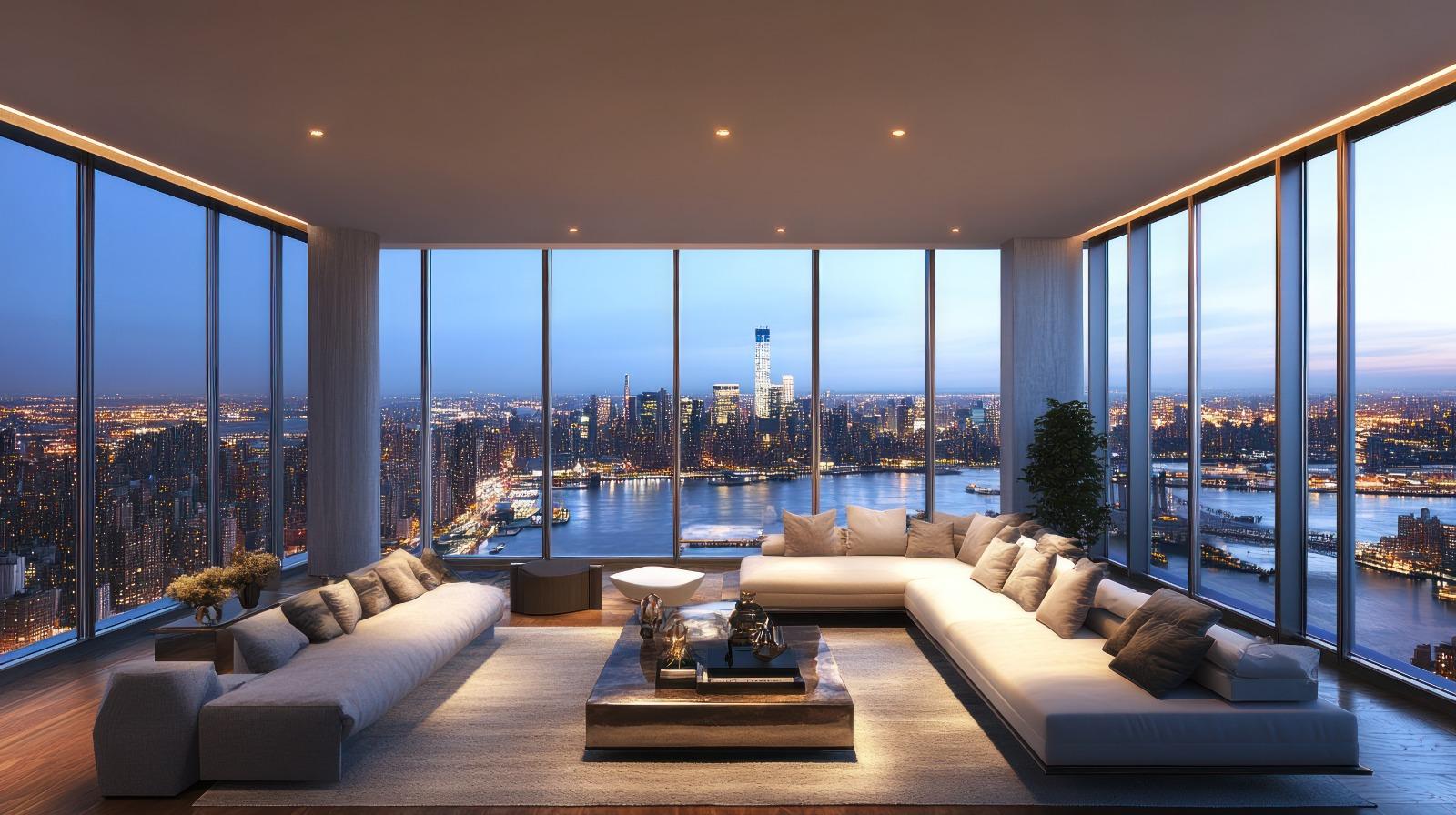
What Real Estate Storytelling Really Means
Real estate storytelling is not exaggeration. It is not a long description full of grand claims. The strongest stories are usually simple, specific, and grounded in truth.
“A floor plan explains space. A story explains life. A specification sheet explains materials.”
If a development is beside the water, the story is not just "waterfront living". It is the slower pace of mornings and the quiet view at the end of a busy day. If a residence is serviced, the story is not just "five-star amenities". It is the ease of arriving after a long flight and knowing everything is already taken care of. If a tower has a private lift lobby, the story is not only convenience. It is privacy, discretion, and a more graceful sense of arrival.
This is where luxury property storytelling becomes useful. It turns details into meaning. Buyers do not always remember every feature. They remember how a project made them feel.
Start With the Buyer
A common mistake in project launch marketing is starting with the building. The number of floors, unit mix, architecture, amenities, views, and launch date all matter, but they should not bury the buyer. The better starting point is the person you are speaking to.
What a buyer in an international off-plan market — and the international buyers most likely to act on a well-positioned project — may actually be thinking about:
• A second home or lifestyle base in a city they believe in
• Portfolio diversification into a prime real estate market
• Family use, with long-term plans to relocate or retire
• Rental appeal and the income potential of a managed residence
• Privacy, hotel-style service and a secure asset that requires minimal management
• A prestigious address that reflects a certain stage of life or professional identity
Buyer motivation types in off-plan real estate marketing — and what the story needs to deliver
Buyer Type | Core Motivation | Story Emphasis | Tone |
Second home buyer | Lifestyle, escape, ease | Experience, setting, slower pace | Warm, sensory, aspirational |
Investor | Returns, portfolio, exit strategy | Market context, rental demand, long-term value | Confident, data-informed, rational |
Family buyer | Space, safety, community | Schools, neighbourhood, daily life | Grounded, practical, reassuring |
Frequent traveller | Branded service, zero effort | Arrivals, management, hotel-standard living | Calm, effortless, refined |
International relocator | Prestige, new chapter | Address, community, long-term trajectory | Forward-looking, aspirational, specific |
Those motivations change the story. A branded residence for frequent travellers should not sound like a family community beside a park. A quiet waterfront home should not be marketed with the same pace as a city-centre investment tower. The tone, images, words, and sales conversation should all reflect the buyer’s real reason for paying attention.
Make the Experience Visible
Luxury real estate content often becomes dull when it leans on phrases everyone has already seen too many times. "Exclusive lifestyle", "world-class amenities", "premium finishes", and "iconic address" are not wrong, but they rarely stay in the mind. The better approach is to make the experience visible.
Do not only say the terrace is large. Let the buyer picture a slow breakfast outside or a quiet evening above the city. Do not only list the concierge. Show how that service makes ownership easier for someone who travels often. Do not only mention the wellness suite. Place it inside a daily routine.
This is why presentation matters before completion — and a considered luxury real estate marketing strategy that aligns every touchpoint to the same story is what separates the strongest launches from forgettable ones. Renders, films, brochures, landing pages, social campaigns, email sequences, and sales galleries all need to feel like they are telling the same story. If the visuals suggest calm but the copy feels loud, something breaks. If the brochure feels refined but the follow-up email is careless, trust weakens.
Trust Is Also Part of the Story
In off-plan sales, trust is never a side issue. It is central. The buyer is placing confidence in a future building, so the marketing must show that the promise is supported by substance. The RICS — the Royal Institution of Chartered Surveyors — sets the professional standards that govern off-plan sales, construction quality and handover processes across global property markets. For buyers unfamiliar with the off-plan process, knowing that a developer operates within these frameworks is itself a form of reassurance.
Developer reputation, design credibility, construction progress, approvals, handover communication and professional follow-up all become part of the story. For developers seeking to position new projects effectively, the LuxuryProperty.com Advertise Off-Plan global platform provides a direct route to the qualified international audience most likely to respond to a credible, well-presented off-plan project.
This does not mean turning the campaign into a technical manual. It means presenting proof with care. A beautiful vision is stronger when it sits beside clear facts. A project feels more reassuring when the sales team can explain timelines properly, answer questions directly, and keep the message consistent.
Give the Project a Sense of Place
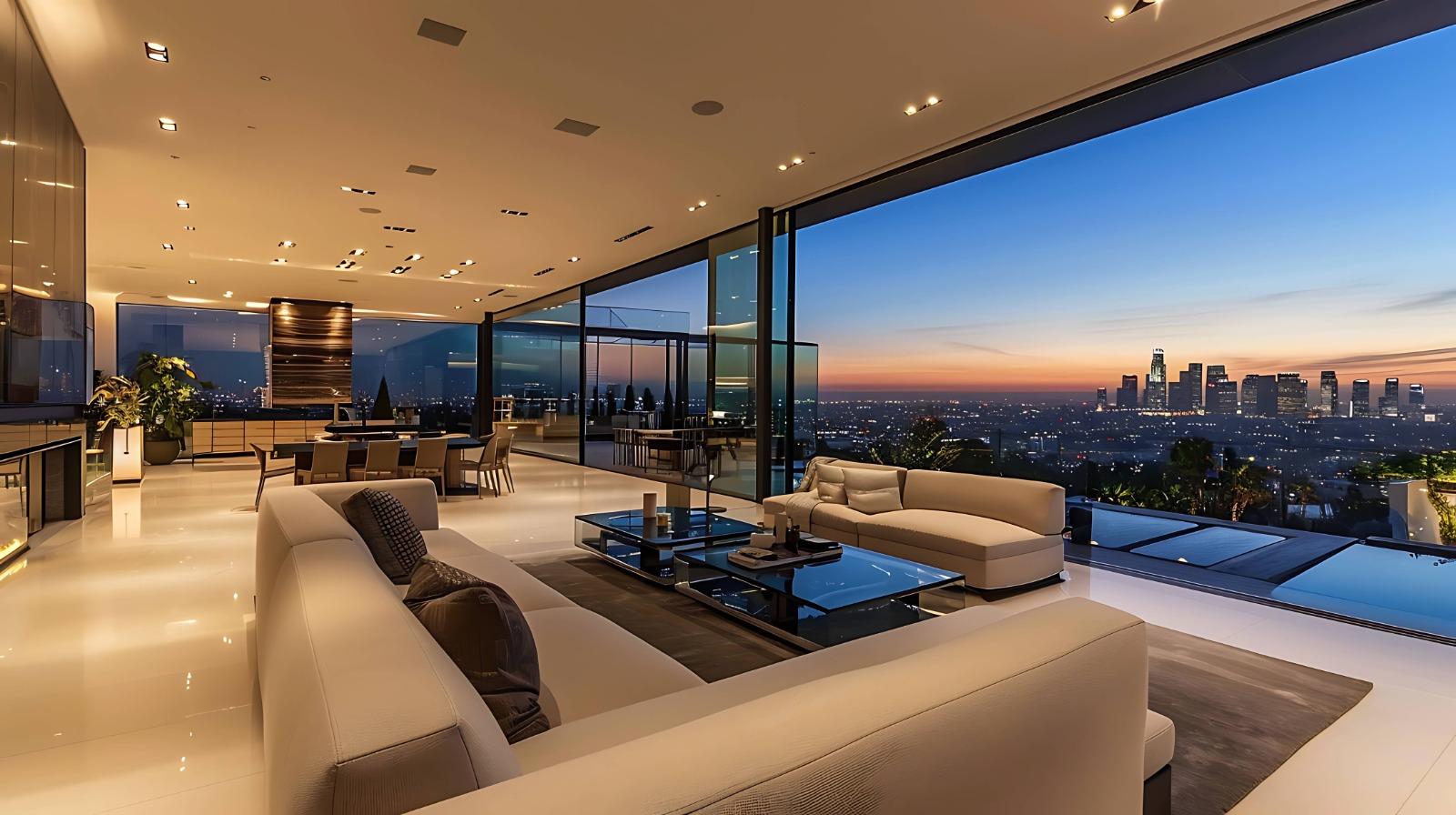
No development exists in isolation. The setting is part of the value, and it should never be treated as a throwaway paragraph. Location gives a project texture. Is the address close to the beach, a marina, a financial district, private schools, restaurants, cultural venues, luxury retail, or a major airport? Is the neighbourhood already established, or is it at an interesting stage of growth? Does the area feel calm, social, polished, discreet, energetic, or practical?
For buyers who are not local, this context is especially important. A city name may be familiar, but neighbourhoods have their own moods. The story should help the buyer understand not only where the development is, but what daily life might feel like there.
Build a Brand That Holds Together
Off-plan branding is not just a name, a logo, or a smart brochure cover. It is the full personality of the development. If the project is about privacy, every part of the campaign should feel calm and discreet. If it is about waterfront ease, the language and imagery should feel open, light, and relaxed. If it is about city energy, the presentation should have confidence and movement.
The brand elements that must tell the same story in every off-plan campaign:
Website — the first impression for most international buyers; tone, imagery and information must align
Sales gallery — the physical embodiment of the vision; every detail reinforces or undermines the brand
Photography and film — the most shared and remembered content; visual style must match the written voice
Brochure copy — the document buyers share with advisors and family; specificity earns trust
Agent scripts — the human layer; agents who can tell the story confidently close enquiries more effectively
Follow-up communications — where many campaigns lose momentum; the tone should feel personal, not automated
A strong luxury real estate branding strategy provides the buyer with the buyer fewer reasons to doubt. Everything feels considered. Everything belongs to the same world. For developers who want that story placed in front of the right audience, LuxuryProperty.com Off-Plan Advertising can position new projects as aspirational lifestyle investments for a global luxury audience.
Carry the Story Into the Sale
Storytelling should not stop when a buyer makes an enquiry. That is where it needs to become more personal. A private presentation should do more than explain unit types. It should help the buyer understand how a particular residence lives. Where does the morning light come from? How private is the balcony? What makes one floor more desirable than another? How does the layout work for hosting, long stays, family use, or travel-led ownership?
A follow-up should not feel like a copied message with a brochure attached. It should reflect what the buyer actually said. If they cared about privacy, talk about privacy. If they were interested in long-term value, explain the location and unit position properly. Stories can also reassure through example. A previous international buyer who chose early, or an investor who understood the area’s direction, can help a new buyer feel less alone in the decision.
Why Storytelling Closes the Gap
Off-plan real estate always has a gap between what exists now and what will exist later. Marketing cannot remove that gap completely, but it can make it feel smaller, clearer, and more exciting. That is the real role of storytelling. It connects facts to feeling. It turns features into reasons. It gives the development a voice before the building is finished.
In a crowded luxury market, buyers will see many polished projects — and understanding how AI-driven advertising is reshaping how the right buyers discover the right developments is as important as the story itself. Some will have beautiful renders. Some will have strong amenities. Some will have attractive locations. The ones that stay in the mind are the ones with a clear identity and a believable emotional world.
People need to understand what they are buying. More than that, they need to feel why it matters. That is what great storytelling does in off-plan real estate marketing. It turns a future building into a future people can already see themselves choosing.