
 Back
Back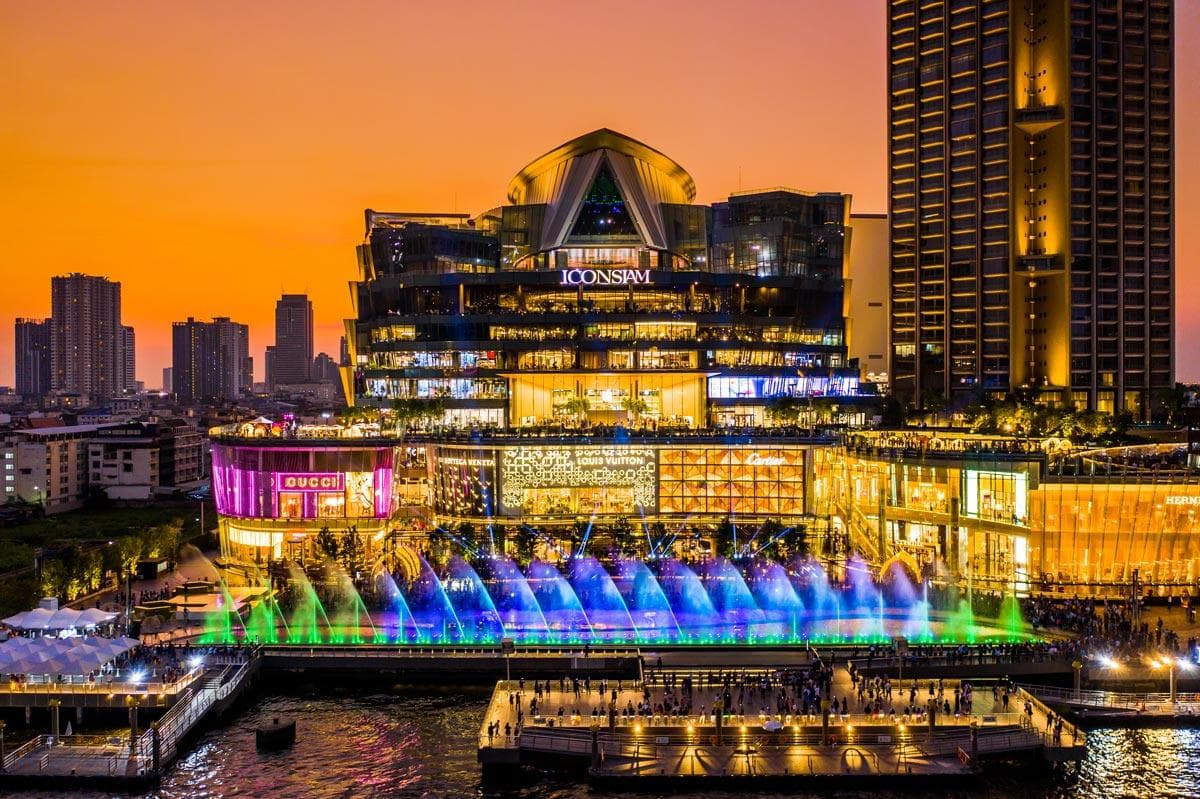
If you think back to where shopping began, it was never about polished marble floors and huge digital screens. It started with simple market stalls and open squares where people bartered, talked and met friends. Over time, those everyday spaces have been replaced by vast enclosed shopping malls that feel more like small cities. Early examples such as Trajan’s Market in Rome are sometimes seen as precursors to the mall, but the real shift came in the late twentieth century when developers started blending shops with cinemas, food courts, hotels and indoor theme parks.
Today, the biggest malls in the world are not just places to buy things. They are social spaces, day-out destinations and, in many cases, symbols of the cities they sit in. When people argue about which mall is “Largest”, they usually look at two figures: Gross Floor Area, which measures the overall size of the building, and Gross Leasable Area, which shows how much of that space can be rented to retailers. It is a technical way of comparing them, but it gives a clear sense of their true scale.
These mega malls are also powerful economic engines. They employ thousands of people, support both local and global brands and attract huge numbers of tourists. Dubai Mall alone welcomes well over 80 million visitors each year and has become one of the UAE’s most important drivers of retail and tourism. In cities such as Bangkok, Manila and Tehran, entire districts have grown around major malls, filled with hotels, residential towers and new transport links.
Here is a closer look at 11 of the biggest shopping malls in the world and what makes each of them stand out.
Top 11 Largest Shopping Malls by Country and City
New South China Mall – Dongguan, China
New South China Mall is generally regarded as the largest shopping mall in the world when you focus on gross leasable area. There is space for around 2,300 shops spread across almost 6.5 million square feet of retail. When it opened in 2005, though, very few units were occupied and it quickly picked up the nickname “ghost mall”. Over time, new attractions such as an indoor karting track and an IMAX cinema have helped bring more visitors through the doors.
GFA: 9.6 million sq ft (892,000 m²)
GLA: 6.46 million sq ft (600,000 m²)
Opened: 2005
Golden Resources Mall – Beijing, China
Golden Resources Mall sits on Beijing’s Fourth Ring Road and stretches over six levels. It leans towards higher-end shopping, with luxury fashion, fine jewellery, premium electronics and homeware spread across a huge footprint. From 2004 until New South China Mall opened, it held the title of the world’s largest mall and it still ranks among the biggest retail complexes anywhere. These malls are not only big, they also hold some of the most expensive Phones in the world.
GFA: 7.3 million sq ft (680,000 m²)
GLA: 6.0 million sq ft (560,000 m²)
Opened: 2004
ICONSIAM – Bangkok, Thailand
ICONSIAM – Bangkok, Thailand
ICONSIAM occupies a prime position on the banks of the Chao Phraya River and feels more like a riverside district than a single building. Alongside international brands, there is an indoor floating market, a river museum and ICONLUXE, a dedicated luxury wing. Residential towers and cultural spaces sit alongside the shopping, turning the whole project into a landmark for both locals and visitors.
GFA: 8.1 million sq ft (750,000 m²)
GLA: 5.65 million sq ft (525,000 m²)
Opened: 2018
SM Megamall – Mandaluyong, Philippines
SM Megamall is one of the flagship sites of SM, the Philippines’ dominant mall operator. On a typical day, around 800,000 people make their way through its corridors, which are split mainly between two structures called Mega A and Mega B. As well as hundreds of shops, there are more than 200 places to eat, fourteen cinema screens including an IMAX, a bowling alley, an ice rink and a selection of arcades and family attractions.
GFA: 5.5 million sq ft (511,000 m²)
GLA: 5.1 million sq ft (474,000 m²)
Opened: 1991
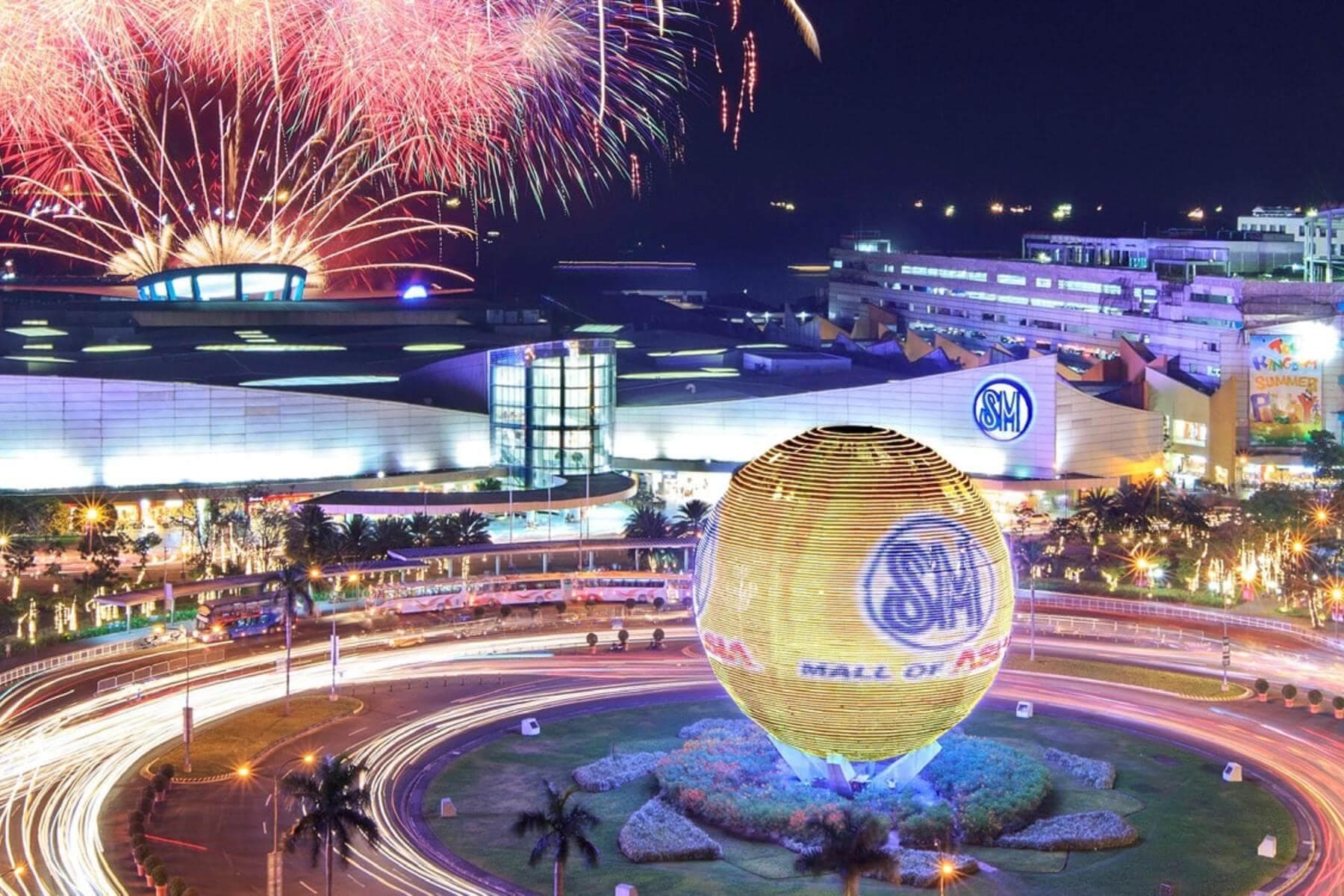
SM Mall of Asia – Pasay, Philippines
SM Mall of Asia, usually called MOA, stretches along the edge of Manila Bay and is designed very much as a full day-out destination. The addition of a huge IKEA store has pushed its total floor area even higher. One of the mall’s most popular features is the waterfront promenade, which fills up in the evening as people head out to watch the sunset over the bay. Inside, there is an ice rink, an indoor amusement area, an aquarium and a vast mix of retail and dining.
GFA: 6.35 million sq ft (590,000 m²)
GLA: 4.66 million sq ft (433,000 m²)
Opened: 2006
CentralWorld – Bangkok, Thailand
CentralWorld sits at the heart of Bangkok’s main shopping district and has gradually grown into a full-scale lifestyle hub. Alongside its mix of fashion, technology and home brands, it includes a cooking school, a karaoke complex and a long list of cafés and restaurants. The centre regularly hosts fashion shows, concerts, exhibitions and seasonal celebrations, while an on-site hotel and office tower keep it busy throughout the day and into the evening.
GFA: 8.9 million sq ft (830,000 m²)
GLA: 4.62 million sq ft (430,000 m²)
Opened: 1990
Dubai Mall – Dubai, UAE
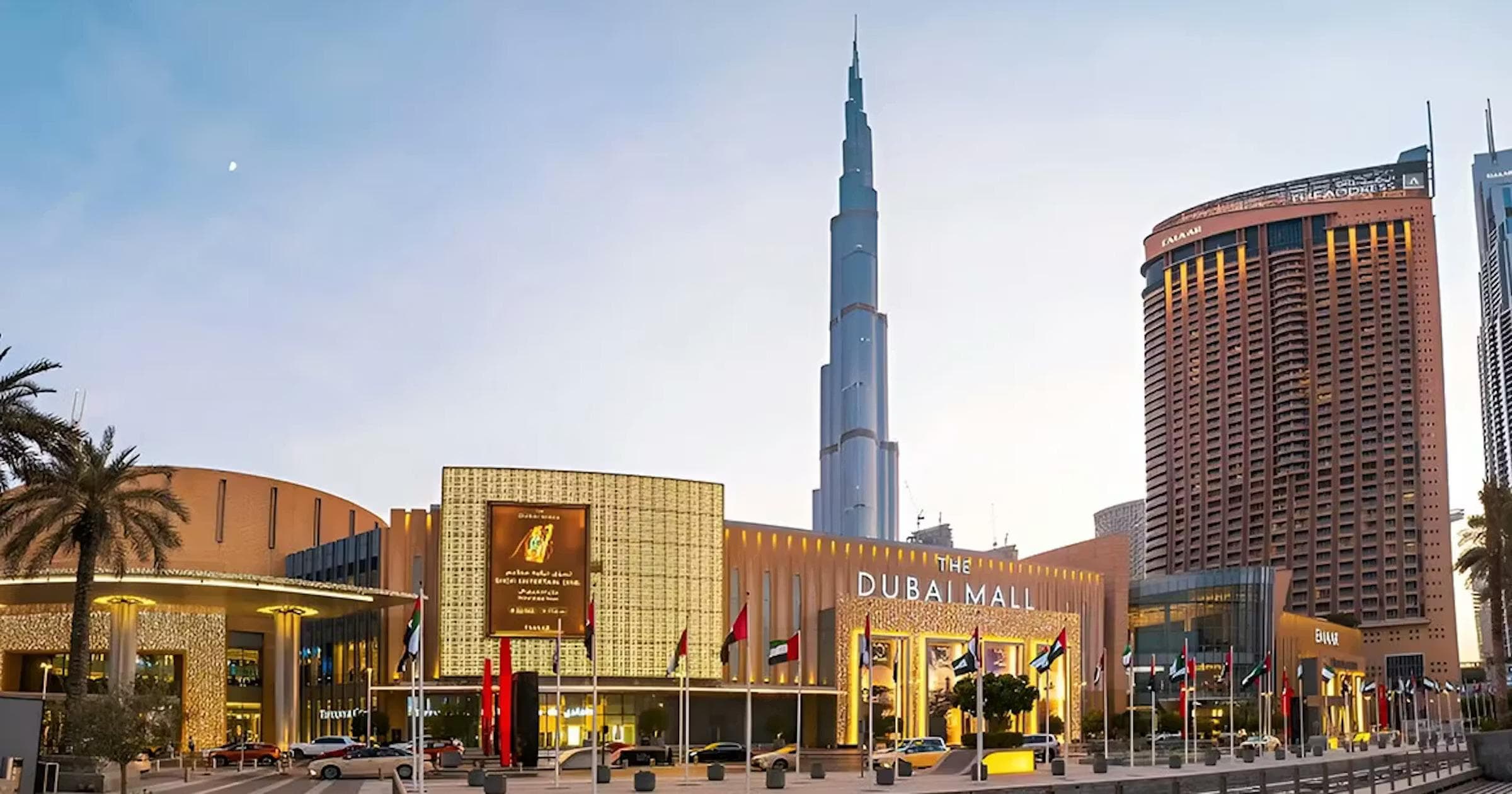
Dubai Mall is one of the most recognisable retail destinations in the world and anchors the whole Downtown Dubai district. It covers around 12 million square feet of space and is home to roughly 1,200 shops ranging from flagship fashion houses to smaller concept stores. Beyond shopping, there is a huge aquarium, an Olympic-sized ice rink, a VR and indoor theme park area and what is often described as the world’s largest sweet shop, plus direct access to the Burj Khalifa.
GFA: 12 million sq ft (1.1 million m²)
GLA: 4.3 million sq ft (399,500 m²)
Opened: 2008
West Edmonton Mall – Edmonton, Canada
West Edmonton Mall helped define the mega-mall concept in North America. Opened in 1981, it held the record for the largest mall in the world for many years and still has a unique blend of scale and slightly retro charm. It is as much an entertainment venue as a shopping centre, with a huge indoor amusement park, a sizable waterpark, mini golf, bowling and a long list of shops and restaurants under one roof.
GFA: 5.3 million sq ft (493,000 m²)
GLA: 3.77 million sq ft (350,000 m²)
Opened: 1981
İstanbul Cevahir – İstanbul, Turkey
İstanbul Cevahir is often described as one of Europe’s largest shopping centres. The mall covers around 5 million square feet across six levels and brings together international chain stores with Turkish brands. Inside, visitors can choose from twelve cinema screens, ride an indoor roller coaster that runs through the atrium, or simply move between the fast food outlets and the sit-down restaurants that line each floor.
GFA: 5 million sq ft (465,000 m²)
Opened: 2005
Berjaya Times Square – Kuala Lumpur, Malaysia
Berjaya Times Square is hard to miss thanks to its twin 48-storey towers, which house hotels and offices as well as the mall itself. There is over 3.5 million square feet of leasable retail space inside, more than 1,000 shops and roughly 65 food outlets. The complex is also home to Malaysia’s first IMAX cinema and the indoor Cosmo’s World Theme Park, where rides weave around the central atrium.
GFA: 7.5 million sq ft (700,000 m²)
GLA: 3.44 million sq ft (320,000 m²)
Opened: 2003
Iran Mall – Tehran, Iran
Iran Mall brings together Iran’s long tradition of busy bazaars with a very modern sense of scale. Opened in 2018, it has quickly taken its place on lists of the world’s largest malls. In terms of gross floor area, the numbers are huge: around 14.5 million square feet in the first phase alone, with further expansion planned. Alongside retail, the complex includes landscaped gardens, cultural galleries, a vast library and large event spaces, so it functions as a civic and cultural hub as much as a commercial one.
GFA: 21 million sq ft (1.95 million m²)
GLA: 3.23 million sq ft (300,000 m²)
Opened: 2018
Why Mega Malls Matter to Tourism and City Life
The biggest shopping malls in the world say a great deal about the ambitions of the places that build them. They reflect confidence in tourism, faith in consumer spending, and a clear intention to build places where people can comfortably spend an entire day without feeling short of options. From Dubai to Dongguan, these mega structures support jobs, attract investment and provide a backdrop for everything from casual meet-ups to major events like showcases of expensive supercars. As cities continue to grow and people expect more from their leisure time, future malls are likely to look even more like full-blown urban districts, with culture, entertainment and community sitting alongside traditional retail.
Related Blogs: