
The 2026 FIFA World Cup
2 April 2026Written by Diego Montoya Cueva
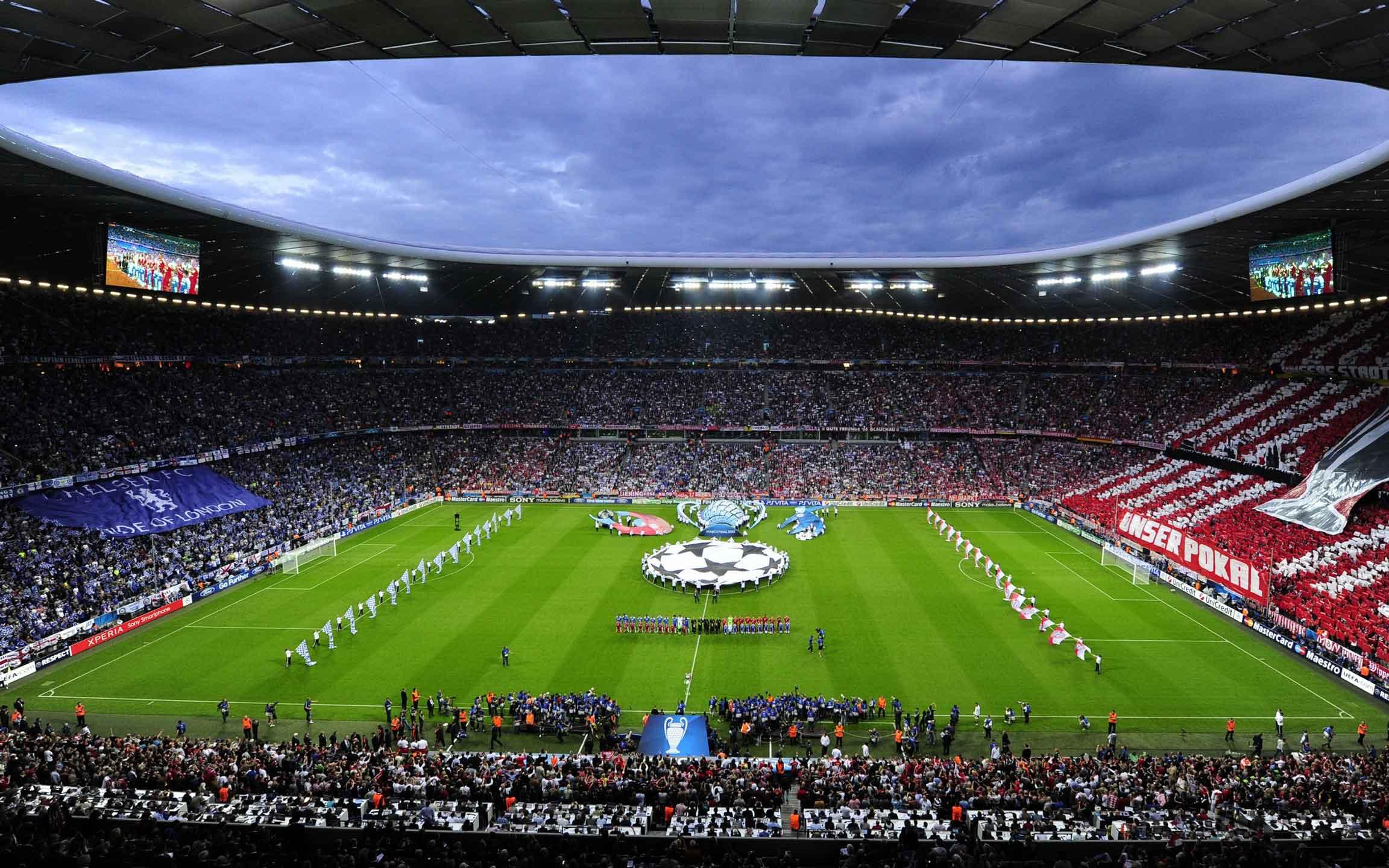
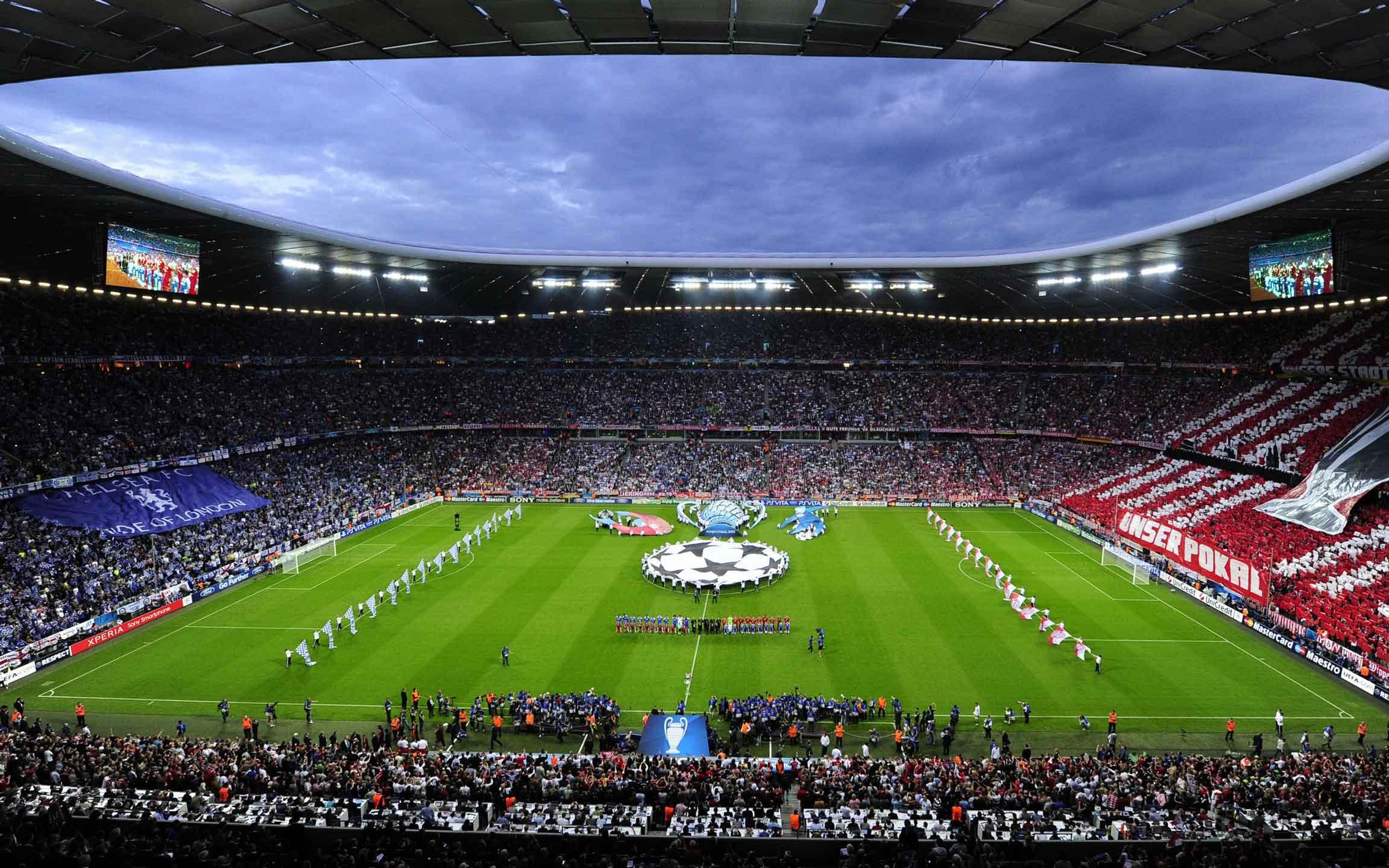
The 2026 FIFA World Cup already feels larger than a sporting event. It feels like a summer that will carry its own rhythm, one shaped by packed stadiums, restless cities and weeks of football that stretch across North America.
Running from 11 June to 19 July 2026, this will be the first men’s World Cup shared by three host nations, Canada, Mexico and the United States, and the first to feature 48 teams. It is a tournament built on scale, but also on curiosity. More nations means more stories, more unfamiliar matchups and more chances for the competition to surprise people from the very first week.
A New Format and a Bigger Tournament
That new size is not a small adjustment. It changes the whole shape of the tournament. Instead of 32 teams, there will be 48, divided into 12 groups of four. The top two teams in each group will go through, joined by the eight best third-placed sides, which sends the competition into a round of 32 before the usual round of 16, quarter-finals, semi-finals and final.
In total, there will be 104 matches, making this the biggest men’s World Cup ever staged. It is a significant step for the sport, and it means the opening phase should feel wider, richer and more unpredictable than before.
Host Cities Across Three Countries
There is something especially compelling about the way this edition is spread out, much like the appeal of wider long-haul escapes explored in the best family holiday destinations in the world. The 16 host cities are not clustered together. They stretch across a huge landscape, which means each part of the tournament will carry a different atmosphere. In Canada, matches will be played in Toronto and Vancouver.
In Mexico, the host cities are Guadalajara, Mexico City and Monterrey. In the United States, the tournament heads to Atlanta, Boston, Dallas, Houston, Kansas City, Los Angeles, Miami, New York, New Jersey, Philadelphia, the San Francisco Bay Area and Seattle. That list alone gives the tournament a sense of motion. It will not feel static. It will travel, shift and pick up new energy as it moves from city to city.
Opening Match Final and Tournament Flow
The opening and closing moments are already set. FIFA has confirmed that the first match will be played in Mexico City on 11 June 2026, while the final will take place in New York, New Jersey on 19 July 2026. Mexico will open the tournament against South Africa, which adds an immediate sense of occasion to the first night. These details matter because the World Cup is never only about who wins it. It is also about the way it begins, the places it passes through and the atmosphere it builds as the weeks go on. A strong opening can set the tone for everything that follows.
The tournament schedule should give the competition a very distinct shape. The early part will be busy and layered, full of overlapping storylines, changing group tables and teams trying to settle quickly. Then comes the knockout phase, when the tone always changes. Group football allows for recovery. Knockout football does not. That is when the World Cup tightens emotionally. One mistake matters more. One save matters more. One goal can turn a useful campaign into something unforgettable. That shift is part of the reason the tournament remains so gripping, even for people who do not spend the year following every qualifying match.
Qualified Teams Debutants and Early Storylines
Qualification has added its own intrigue to the build-up. On 3 March 2026, FIFA said that 42 teams had already qualified, with six places still to be decided during the March international window. That same update confirmed four debutants, Cabo Verde, Curaçao, Jordan and Uzbekistan, which gives the competition a fresher feel than usual.
A World Cup always needs its established giants, but it also needs newcomers, sides arriving for the first time with no old scars and no reason to play with fear. Those debutants may not be favourites, but they could become some of the most interesting teams in the competition.
The Established Contenders
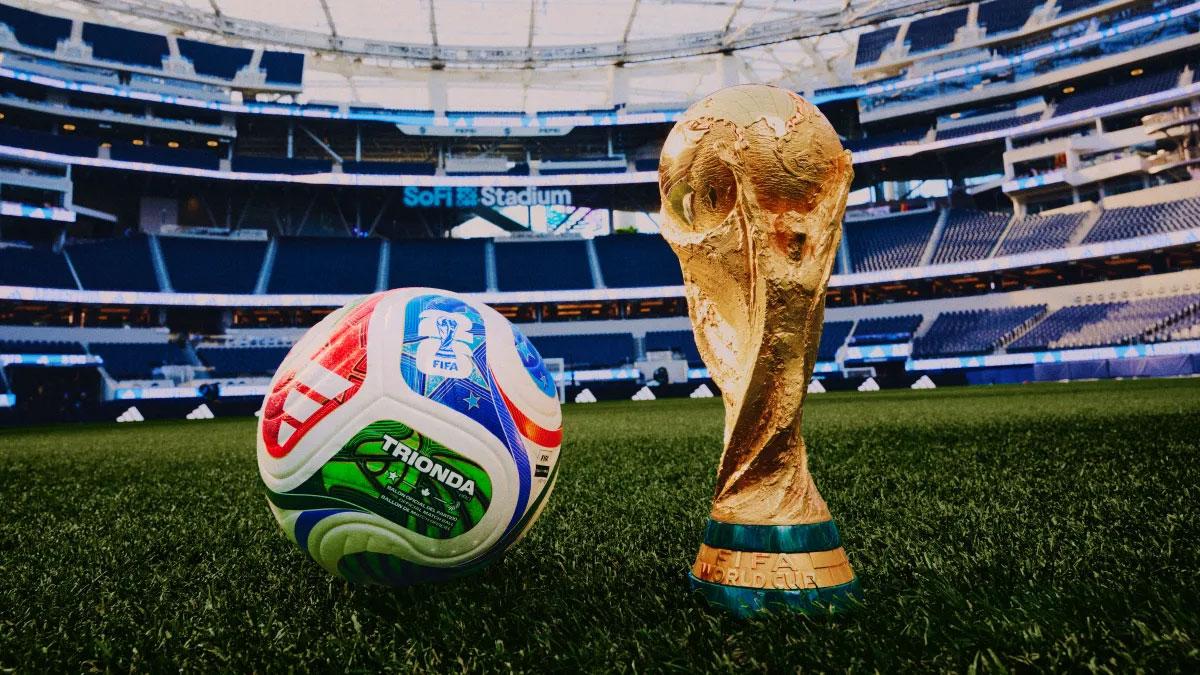
Among the confirmed European qualifiers are Austria, Belgium, Croatia, England, France, Germany, the Netherlands, Norway, Portugal, Scotland, Spain and Switzerland. South America, Argentina, Brazil, Colombia, Ecuador, Paraguay and Uruguay had already secured their places, while the three host nations qualified automatically. These are the names that give the tournament its weight. Argentina arrive with the pressure and pride of being reigning champions. Brazil carries expectations almost by default. France, Spain, Germany, Portugal and England all have enough depth and talent to imagine themselves lifting the trophy. In World Cup terms, that is a healthy field, familiar enough to feel important, but open enough to feel alive.
Teams That Could Shift the Tournament
Still, the most interesting sides are not always the most obvious ones. Every major tournament produces at least a few teams that rearrange the conversation. Morocco have already shown that they can thrive under the pressure of the biggest stage. Uruguay and Colombia both have the kind of edge that makes them awkward opponents for anyone. Japan continues to look like one of the most tactically coherent sides in international football. Then there are the debutants, especially Jordan and Uzbekistan, whose qualification alone has already become a historic moment. The expanded World Cup format gives these nations a bigger stage, but it also gives them a genuine route to matter. One win, one brave performance, one organised group campaign, and suddenly the whole tournament has a new tone.
Why the Host Cities Matter
The host cities will shape that tone just as much as the teams do. Some will bring deep football tradition. Some will bring scale, spectacle and a broader sporting culture. Mexico City carries obvious history and weight. Toronto and Vancouver will add a different feel, more measured perhaps, but still part of the same travelling festival.
Miami, Los Angeles and Seattle should all provide distinct backdrops, while New York, New Jersey has the scale for a final that needs to feel global. This is one of the rare tournaments where the locations genuinely change the personality of the event from one week to the next. It is not one place telling one story. It is many places building one together.
The World Cup in a Crowded Sporting Summer
The wider sporting calendar in 2026 will be busy, but the World Cup should still sit at the centre of it. Earlier in the year, the Winter Olympics in Milano Cortina ran from 6 to 22 February, and later in the summer Wimbledon will overlap with part of the football tournament, running from 29 June to 12 July.
Those are major occasions in their own right, but the World Cup carries a different kind of reach. It spills beyond the boundaries of sport. It changes conversations, habits and evenings. It turns ordinary summer days into something more charged. That is part of its power. It belongs to football, but it never stays only within football.
Why This World Cup Could Leave a Different Mark
What makes the 2026 edition so exciting, then, is not just the fact that it is bigger. It is the sense that it may feel different from the start. A broader field, new nations, three host countries and sixteen cities should give the competition a shape unlike any World Cup before it. There will be more football, certainly, but also more texture. More variety. More room for surprise. By the time the tournament reaches its final week, it should feel less like a standard championship and more like a summer that built its own mythology in real time.
And that is the real promise of the 2026 FIFA World Cup. It offers the spectacle people expect, but it also offers something richer, a tournament with scale, unpredictability and a real sense of movement. For a little over five weeks, football will take over the global mood. Some teams will confirm their stature. Others will arrive and unsettle everything. Cities will become part of the memory. Matches will gather meaning faster than anyone expects. When it is done, the scorelines will matter, but so will the feeling it leaves behind. That is usually how the great World Cups are remembered, not just by who won, but by how completely they seemed to take over the summer.