
One Trophy, One World: How FIFA World Cup 26 Brings Nations Together
13 May 2026Written by Jason Hayes
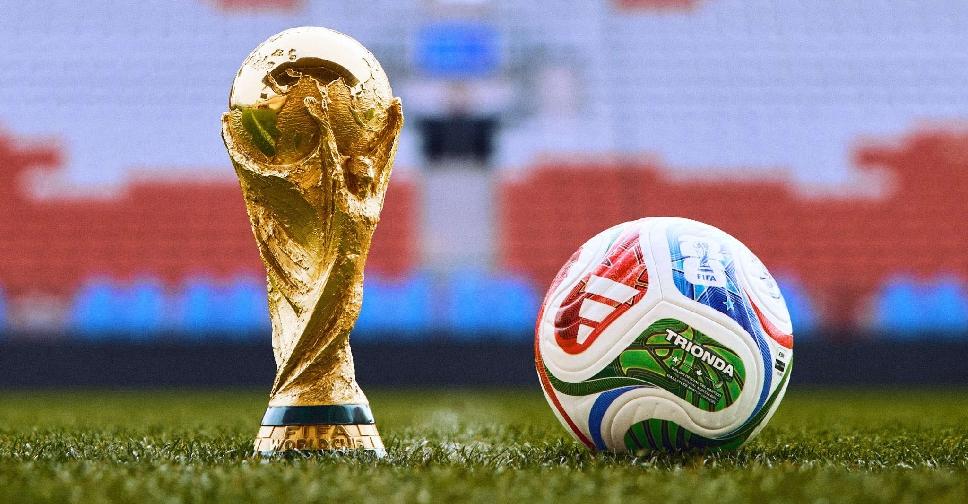
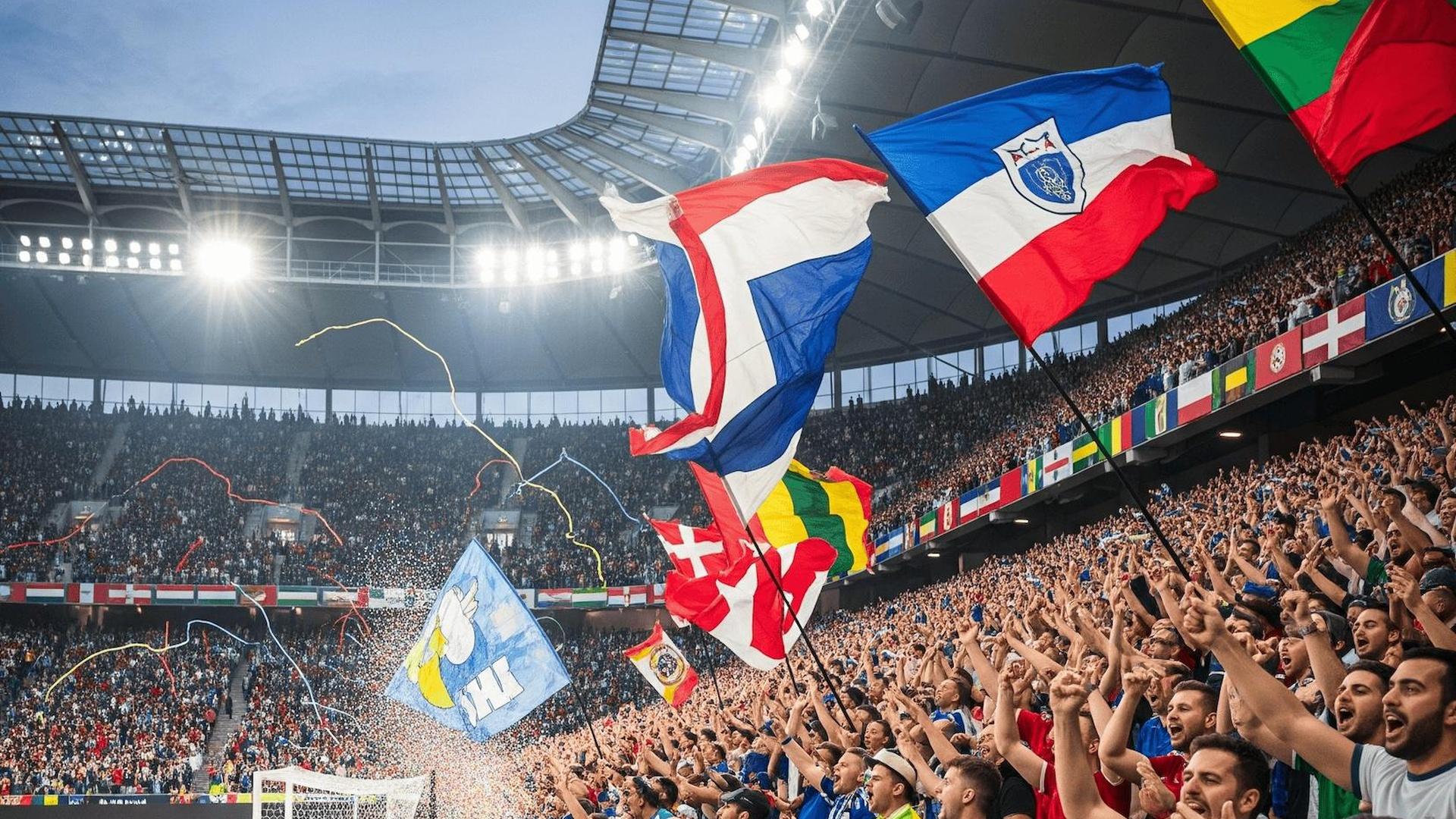
The FIFA World Cup has never been just a tournament. It is a shared pulse that vibrates far beyond the pitch. It is found in the sea of flags, the thunder of anthems in unfamiliar tongues and the sudden, breathless kinship of strangers when a goal hits the net. Since its inception in Uruguay in 1930, where only thirteen teams gathered to begin a global tradition, the tournament has grown into a phenomenon that halts time.
The Biggest World Cup Yet
The FIFA World Cup 26 is something different entirely. With forty eight nations and 104 matches, the scale is unprecedented. It is a sporting story written across an entire continent. The tradition of the solitary host has been surpassed. Today, we see a sprawling, multinational invitation to witness history as it unfolds across a continent.
Three Host Nations, One Shared Stage
Canada brings its multicultural city energy, Mexico brings deep football heritage and raw street-level passion, and the United States brings huge football stadiums, commercial scale and a chance to pull even more people into the sport. FIFA’s own mascot trio says a lot about the tone of the event. Maple the Moose represents Canada, Zayu the Jaguar represents Mexico, and Clutch the Bald Eagle represents the United States. Even in that small piece of branding, the message is clear, different identities, one tournament.
FIFA World Cup 26 Tickets And The Journey To Be There
The conversation around FIFA World Cup 26 tickets also says something important about bridge-building. Tickets are not just a way into a stadium. They are the point where interest becomes commitment. People plan flights, reunions, road trips and first-time visits around them. FIFA has run multiple sales phases for this tournament, and the final last-minute sales phase opened on 1 April 2026 on a first come, first served basis, while hospitality packages have also been available through official channels. In other words, access has become a live, active part of the build-up, not a distant future detail.
There is a wider story behind those seats being filled. FIFA has cited a study estimating up to 6.5 million attendees across the tournament and as much as USD 40.9 billion in GDP impact across the host countries. The U.S. State Department has also described the expected uplift across the 11 American host cities as significant for tourism, hospitality, infrastructure and local business. That does not mean every benefit lands evenly, and it certainly does not erase the pressure placed on transport, staffing and public services. Still, it shows why host cities treat the tournament as more than sport. It is an economic event, a tourism campaign and a civic stress test all at once.
Automatic Qualification And Early Confirmations
The path to the finals has added another layer to the story. FIFA World Cup 26 qualifiers have been broader, longer and more globally open because of the expansion to 48 teams. Canada, Mexico and the United States qualified automatically as hosts. Japan became the first non-host nation to qualify, which was a fitting early reminder that traditional strength still matters, even in a wider field. Argentina also secured its place on 25 March after Bolivia drew with Uruguay. The structure may be new, but the urgency has stayed the same. Every FIFA world cup 26 qualifier still carries a nation’s nerves with it.
Play-Offs, Penalties And Late Arrivals
What has made the qualifiers memorable is not only who got through, but how. The March play-off period delivered the kind of drama only international football can create. Bosnia and Herzegovina and Czechia came through penalty shoot-outs in the European play-offs, while Sweden and Türkiye qualified through tight wins. Elsewhere, the FIFA play-off tournament ended with Iraq and Congo DR taking the final berths after a route that involved six nations from several confederations. That matters because it keeps the tournament honest. The giant names are there, but so are the stories of grit, survival and unexpected arrival.
That is where the real bridge-building begins. A World Cup works best when it makes people curious about one another. Fans turn up for a match and leave knowing a chant from another country, a dish from another city, a player they had never watched before. In 2026, that exchange should feel stronger because the tournament is physically spread across North America. One group of supporters may start in Guadalajara, move to Houston, then finish in Atlanta. Another may pass through Toronto, Philadelphia and New York New Jersey. The tournament is designed almost like a moving conversation across borders.
Host Cities Will Shape The Experience
The local cultural effect could be just as powerful. Host cities are not blank backgrounds, and the best places to watch the World Cup often become part of the memory too. They will put their own flavour on the competition through food, music, neighbourhood events and public viewing spaces. Mexico City will bring history. Toronto and Vancouver bring global communities that already speak football naturally. American cities such as Miami, Los Angeles, Houston and New York New Jersey bring layers of diaspora support that can make a so-called neutral match feel anything but neutral. Even brands outside sport, including http://LuxuryProperty.com , would recognise the basic truth here: place matters, and people remember how a destination made them feel.
The FIFA World Cup 26 Video Game Connection
There is also a digital bridge being built. The FIFA world cup 26 video game angle is no longer just fan speculation. In December 2025, FIFA announced a reimagined football simulation game for Netflix Games, built to be easy to pick up and available to Netflix members. On top of that, FIFA Heroes is set to launch in 2026 as an arcade-style five-a-side title, with the World Cup 26 mascots playable as part of the experience. That matters because modern tournaments are no longer confined to stadiums and television. They live on phones, consoles and streaming platforms, where younger fans often form their strongest attachments first.
So when people search FIFA 26 World Cup, many of them are not only looking for fixtures or ticket news. They are looking for entry points. Some want the matches. Some want the travel. Some want the culture. Some want the game on screen before the real one starts. FIFA World Cup 26 seems built for all of that. It is bigger, louder and more commercial than any edition before it, but it also has the chance to be warmer and more connected. If it gets the details right, safety, access, organisation and fan experience, it could leave behind something better than a list of results. It could leave a clearer sense that sport still has the power to bring very different people into the same moment, and make it feel like it belongs to all of them.