
Official Rankings: The 10 Safest Countries for International Travel in 2026
21 July 2026Written by Jason Hayes

If you have ever planned a major getaway and found yourself quietly wondering—not just where to go, but where you will actually feel at ease—you are not alone. In 2026, that question carries more weight than ever. While we still chase beauty, climate, and memorable hotels, travel safety has moved to the very centre of the decision-making process. It shapes whether a holiday feels restful or draining, whether parents can truly relax, and whether solo travellers feel the confidence to explore.
What Makes a Country Feel Safe for Travellers?
Any honest guide to the world’s safest countries to visit in 2026 has to begin with one simple truth. No destination is completely risk free. Safety is never a magic label. It is usually a blend of low crime, political stability, dependable infrastructure, sensible health systems, good public transport and the general feeling that daily life works properly. That is why the strongest choices tend to be countries that score well on peace rankings and also sit comfortably in current official travel advisories. The 2025 Global Peace Index places Iceland first, followed closely by Ireland, New Zealand and Austria, with Singapore, Portugal, Denmark and Finland also inside the top 10. Current U.S. travel advice also places Iceland, Finland, Portugal, Canada, Australia, New Zealand, Japan and Singapore at Level 1, meaning travellers are advised to exercise normal precautions.
Safest Places to Visit in Europe for Families
For families, Europe still offers some of the easiest and most reassuring choices, especially for travellers who enjoy planning refined holidays around comfort, culture and scenery.
Iceland
Iceland is the standout. It has held the top spot on the peace index for years, and there is something unusually calming about the country once you arrive. Even the dramatic scenery somehow feels organised. Roads are clear, towns are manageable, and the pace is gentler than many first time visitors expect. For parents, that matters. Holidays with children rarely need more chaos. Iceland gives you the opposite, which is why it remains one of the safest places to visit in Europe for 2026.
Finland
Finland deserves far more attention than it usually gets in glossy travel round-ups. It is one of those places that does not shout for attention, yet wins people over once they are there. The appeal is not loud or obvious. It is the quiet confidence of a country where trains, public spaces and everyday routines tend to feel orderly and calm. For family trips, that creates room to enjoy the simple things, lakeside towns, forests, winter light, good museums, and city breaks that do not feel overwhelming. It also remains Level 1 for U.S. travellers, which supports its reputation as one of the more dependable choices in northern Europe.
Portugal
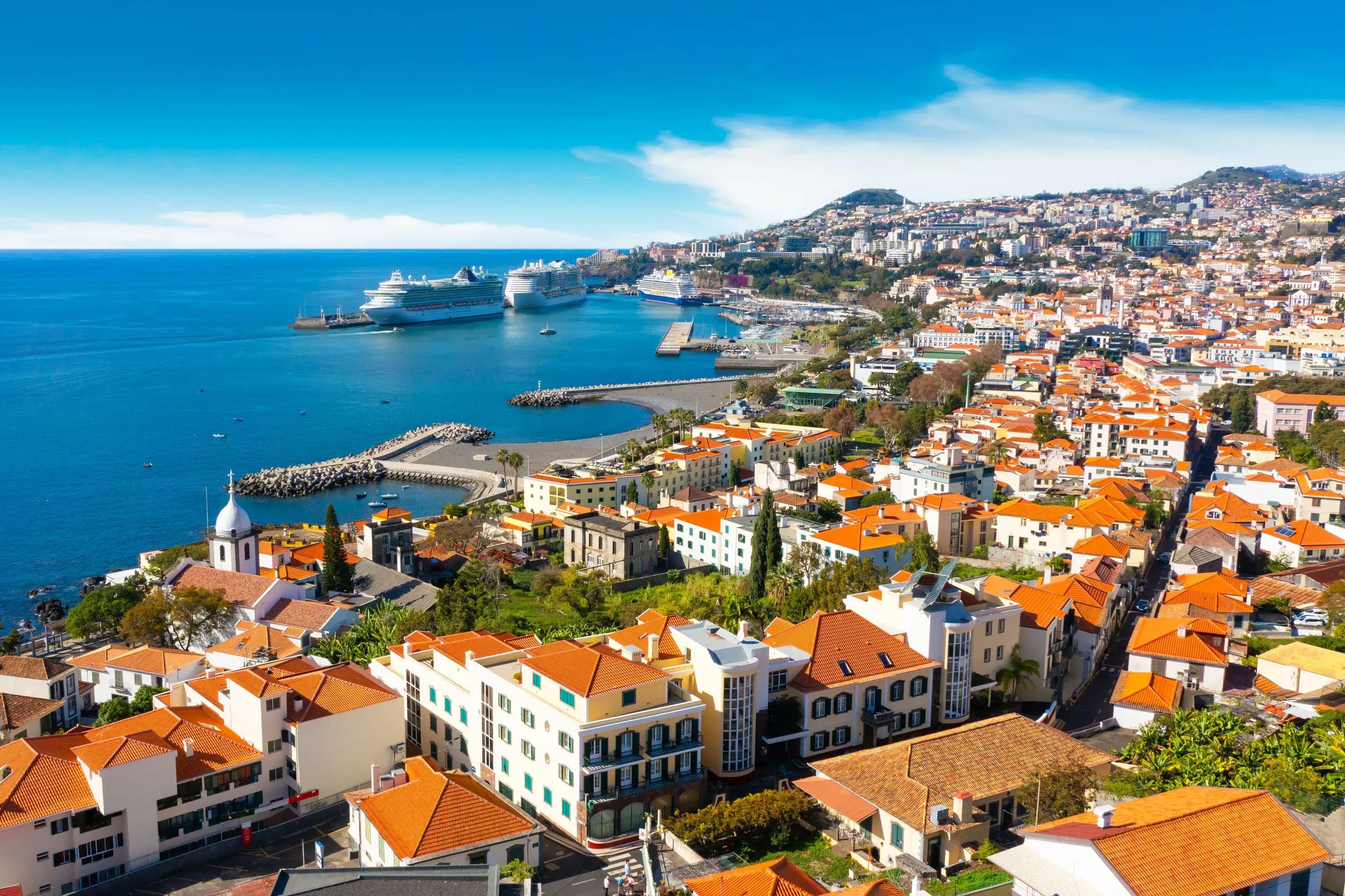
Portugal is perhaps the easiest all-round recommendation in this guide. It manages something quite rare. It feels accessible without feeling dull, and popular without feeling exhausting. Lisbon and Porto bring history and atmosphere, the coastline offers space and sunshine, and shorter driving distances make it kinder for families who do not want every holiday day consumed by travel. Portugal is also among the more peaceful countries in the world and currently sits at Level 1 in U.S. travel guidance. That combination makes it one of the most attractive family-friendly travel destinations for Americans heading abroad in 2026.
Austria
Austria belongs in this conversation as well. It ranks near the very top of the Global Peace Index and remains a strong choice for calm European travel. What helps Austria stand out is the range it offers without asking travellers to compromise on comfort. The country suits nature holidays, city breaks, museum days and scenic train travel, which tells you a lot about how it presents itself, not as a difficult, specialist destination, but as one built for easy enjoyment. If you want a trip that feels polished, scenic and calm, Austria is an excellent choice.
Safest Countries for Expats and Longer Stays
While a tourist’s peace of mind often rests on low street crime, true expat security goes much deeper. Transitioning from a holiday to a long-term stay shifts the focus from avoiding petty theft to accessing structural stability. For those making a permanent move, "safety" is found in the invisible infrastructure of a society—reliable healthcare, economic resilience, and a dependable legal framework—that ensures long-term comfort and peace of mind.
Canada
Canada still stands out here. It remains Level 1 in U.S. travel advice, and the country is generally described by the State Department as a safe destination for travellers. That does not mean moving there is effortless, especially with housing pressures in major cities, but it does mean many newcomers find familiar infrastructure, clear systems and strong practical support. That counts for a lot.
Australia
Australia offers a similarly strong sense of order and practicality. It remains Level 1, and the country appeals for obvious reasons, language, infrastructure, weather, lifestyle and everyday familiarity for many English-speaking expats. What really matters is that the move itself does not feel like a leap into the unknown. There is a system behind it. For expats thinking about a safe, familiar and stable English-speaking option, Australia remains one of the clearest answers in 2026.
New Zealand
New Zealand is the quieter sibling in this group, though for many people it will be the most emotionally appealing. It is Level 1 for U.S. travellers, and the attraction here is not only safety, though that certainly matters. It is the sense that life may move at a slightly more human pace. People looking for the safest countries for expats often mean something more personal than statistics. They mean somewhere they can imagine feeling settled, and New Zealand has that quality in abundance.
Safest Solo Travel Destinations
Solo travel needs its own measure of safety. A place may be peaceful on paper and still feel awkward or tiring when you are navigating it alone.

Japan
Japan remains one of the strongest solo travel destinations in the world for exactly that reason. It is not only safe in the formal sense, with a current Level 1 advisory, but also well prepared for visitors. Public transport is extensive, cities are easy to navigate once you understand the rhythm, and services for travellers are widely available. For someone travelling alone, especially for the first time in Asia, that can make all the difference.
Singapore
Singapore is another superb solo option, especially if you like cities that are clear, compact and easy to read, much like the appeal of high-quality urban lifestyle experiences in Dubai. It is currently Level 1, and the State Department describes Singapore as generally a safe destination for travellers. That practical clarity matters more than glossy marketing. It means less second-guessing, fewer stressful moments, and more time enjoying the trip. Singapore also works beautifully for families, which only adds to its broad appeal.
Denmark
Denmark still deserves a mention, though with more caution than some older travel articles allow. It remains one of the more peaceful countries in Europe, but not every official advisory places traditionally “safe” destinations in the same bracket at all times. That does not make Denmark a poor choice. Far from it. It is still exceptionally well designed, very liveable, and pleasant for independent travel. It simply means an accurate international travel safety guide in 2026 should not rely on reputation alone.
Safe Travel Habits for 2026
Whatever country you choose, the smartest travellers treat safety as a habit rather than a headline. Check the travel advisory before booking and again just before departure. Buy travel insurance, because the U.S. government does not pay medical costs for U.S. citizens abroad, and Medicare and Medicaid generally do not cover medical care outside the United States. The State Department also recommends considering medical evacuation cover, since getting home in a serious emergency can be extremely expensive. If you are heading to Europe, remember that the EU Entry/Exit System started operating in October 2025, with full implementation at external border crossing points from 10 April 2026 for participating countries. None of this is glamorous, but it is the sort of preparation that turns a smooth trip into a genuinely secure one.
Final Thought
The best way to think about safe travel in 2026 is not to search for perfection. It is to look for places where the basics are strong and the atmosphere lets you loosen your shoulders. Iceland, Finland, Portugal and Austria offer that in Europe. Canada, Australia and New Zealand offer it for longer stays. Japan and Singapore remain outstanding for solo travellers. For readers who appreciate thoughtful, high-quality living, the same instinct that draws people to what makes for an ideal luxury home.