
How the Iran War Is Affecting Dubai Real Estate in 2026
20 March 2026Written by Jason Hayes
A Market Under Pressure, But Not Falling Apart
The war involving Iran has changed the mood across the Gulf, and Dubai has not been immune to that shift. In normal circumstances, the city sells certainty better than almost anywhere else in the region. People move money here because it feels stable. They buy homes here because life works. Flights run, business gets done, schools are open, restaurants are full, and the wider system tends to feel predictable even when other places do not.
That is exactly why this moment feels so important.
Once missiles, drones, airspace disruption, and regional security concerns entered the picture, the conversation around Dubai real estate changed almost immediately. Buyers started asking harder questions. Sellers became more watchful. Investors who had been moving quickly only weeks before began slowing things down. That does not mean the market has broken. It means people are weighing risk more carefully than they were before.
And that is the real story right now. Not panic. Not a crash. Just a market that has lost some of its speed and is starting to behave with more caution.
Dubai Did Not Enter This Period From a Weak Position
One reason the market has held up better than some expected is simple. Dubai was already in a strong place before the conflict became a serious concern.
Over the last few years, the city had seen major growth in property values, especially in prime villa communities, branded residences, waterfront apartments, and family areas where supply remained tight. Confidence was high. Demand was broad. International money was still flowing in. In many parts of the market, good stock was being snapped up quickly, often with very little room for negotiation.
That matters because a market already under pressure reacts very differently to a shock than one coming off a strong run. Dubai was not limping into 2026. It was entering the year with momentum, active buyers, ambitious developers, and a sense that the wider property cycle still had room left in it.
There is another point here that is easy to overlook. Dubai real estate is not built on one type of buyer. It draws end users, landlords, overseas investors, entrepreneurs, relocating families, and high-net-worth individuals from all over the world. That diversity gives the market depth. It also means not everyone reacts in the same way when conditions change. Some pull back. Some wait. Some see opportunity.
The First Change Has Been Psychological
The earliest impact of the war has not been a dramatic collapse in deals. It has been a change in mood. That may sound soft, but in property, mood matters. Confidence is often the difference between a buyer signing this week or waiting another month. It is the reason a seller holds firm on price in one market and becomes flexible in another. Real estate is slower than stocks, but it is still emotional. People do not just buy numbers on a spreadsheet. They buy a sense of timing, security, and value.
Right now, that confidence is being tested. You can feel it in the way buyers speak. They are less rushed. They are more analytical. They want to understand not just what a property is worth today, but how it might behave if the conflict drags on. They want to know whether short-term rental demand will soften further, whether overseas travel will remain smooth, and whether sellers are likely to become even more open to negotiation later on. That does not mean demand has disappeared. Far from it. But the easy momentum of the previous cycle has eased.
Why the Headlines Can Be Misleading
One mistake people make during moments like this is expecting real estate to react as fast as financial markets. It does not work that way. A property deal agreed today might not complete for weeks. Some sales now being registered were negotiated before the war became the dominant topic. Others are moving through normal legal and financial steps that take time regardless of the news cycle. That delay matters because it can make the market look calmer than the underlying sentiment really is.
So when people say, “The numbers still look fine,” they may be partly right, but only partly. What we are often seeing in official figures is the result of decisions made earlier, when confidence was stronger and urgency was still driving activity. The more meaningful effect of the war is likely to show up over time, not all at once. That is usually how Dubai property moves. First the mood changes. Then the conversations change. Then the pricing starts to reflect it.
Buyers Are Not Gone, They Are Just Harder to Win
The clearest change so far is in buyer behaviour. Not long ago, many buyers were acting fast because they felt they had to. Good homes were attracting strong interest, and hesitation often meant losing out. That environment gave sellers the upper hand. Discounts were slim. Timelines were short. The energy was very much with the market.
Now the balance feels different. Buyers are still there, but they are not arriving with the same urgency. They are comparing more carefully. They are pushing harder on price. They are asking sharper questions about location, quality, service charges, resale appeal, and whether the seller really needs to move. That is especially true in the secondary market, where people can see the actual asset rather than buying into a future promise. From a buyer’s perspective, this is not bad news. It creates room to think. It also creates room to negotiate, which had become much harder during the market’s strongest phase.
This Is Where Property Quality Starts to Matter More
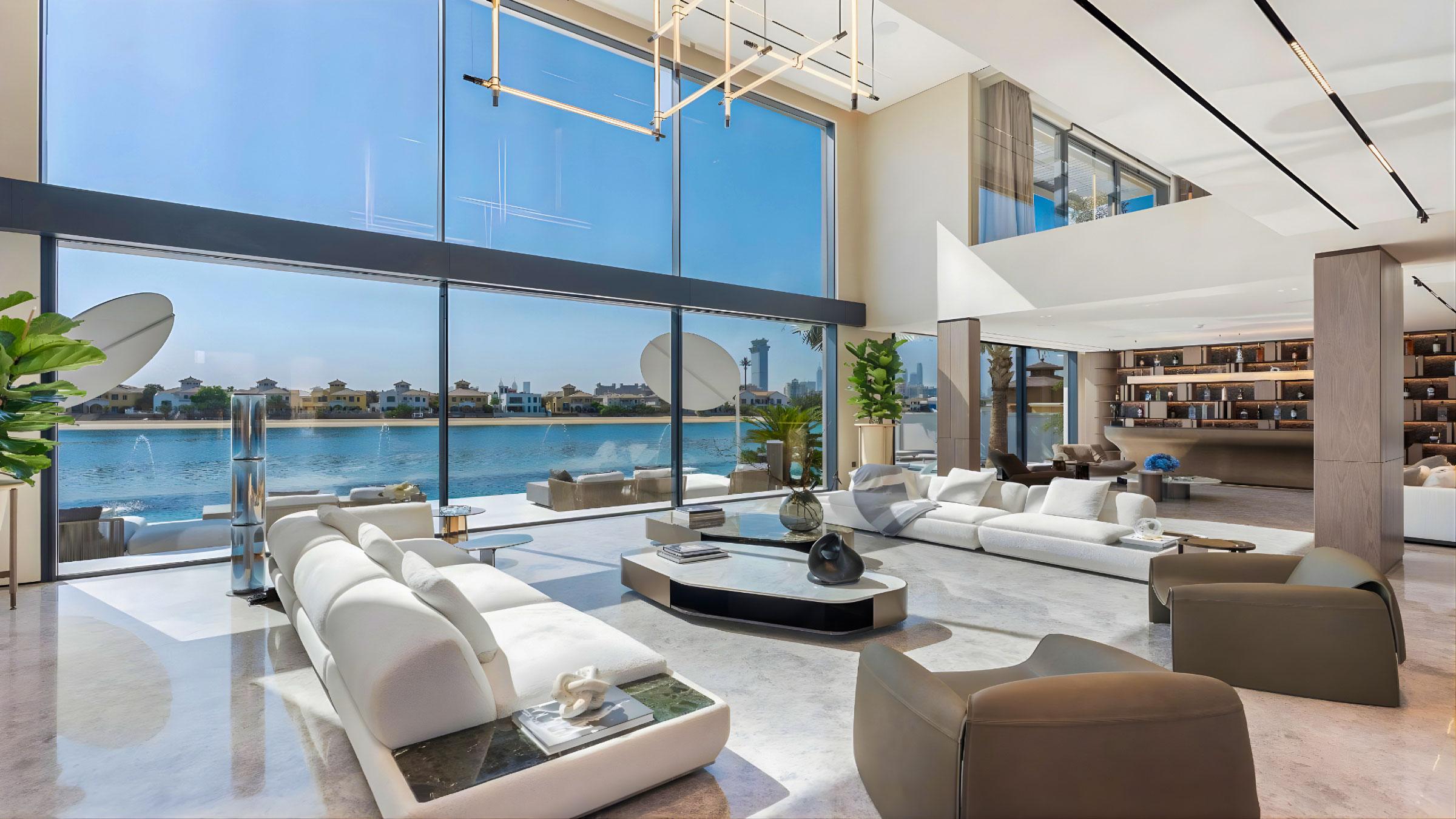
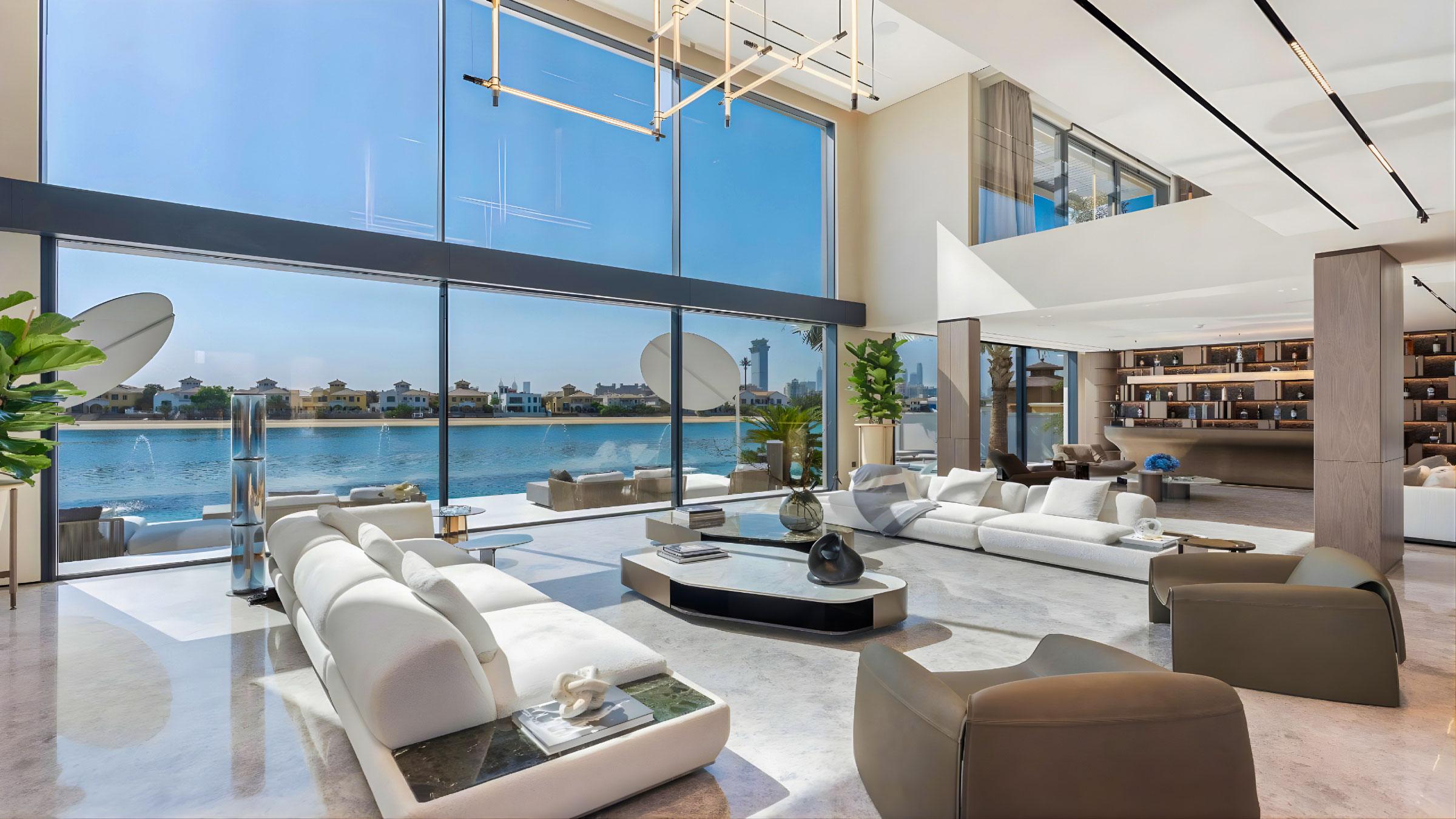
A rising market can make a lot of stock look better than it really is. When sentiment cools, the difference between a genuinely strong asset and an average one becomes much easier to spot. That is happening now. Truly prime homes are still holding attention. Scarce villas in top communities, standout penthouses, branded residences, and apartments with something special about them still appeal to serious money. They may not trade with the same frenzy as before, but they remain desirable because the underlying appeal has not gone away.
The pressure is heavier on stock that was already vulnerable. Homes with awkward layouts, tired finishes, weak positioning, or inflated asking prices are finding this market much less forgiving. Buyers are no longer in the mood to overlook flaws just because the city has been in a boom phase. In a strange way, this is one of the healthier parts of the current shift. The market is becoming more honest. It is revealing which properties had real strength and which were being carried by momentum.
Off-Plan Still Has a Market, But It Feels More Delicate
The off-plan sector is still important to Dubai, and it is not going away. Payment plans remain attractive, entry prices can be more accessible, and many buyers still like the idea of purchasing a new home in a growing community. But off-plan always depends more heavily on confidence because buyers are committing to a future outcome. That future now feels less automatic than it did before.
As a result, people are becoming more selective about which projects they trust. Developer reputation matters more. Delivery history matters more. So does location, because buyers want to know the finished product will still make sense years from now, not just at launch. The strongest projects should still attract attention. The weaker ones may struggle to create the same excitement they would have enjoyed in a more carefree market.
So, Is This a Buying Opportunity?
For some people, yes. Not because the market is in trouble, but because uncertainty tends to open doors that strong momentum keeps shut. Sellers who were impossible to move on price can become more realistic. Buyers who kept missing out suddenly have more time to make decisions. Homes that always felt just out of reach may become negotiable in a way they were not a few months ago.
That said, this is not a market where anything will do. The opportunity is not in buying blindly. It is in choosing well. A good property in a strong location is still a good property. A weak one does not become smart just because the seller cuts the price. That is why this period rewards people who understand the difference between value and discount. They are not the same thing.
Conclusion
The Iran war has unquestionably shaken confidence in the region, and Dubai real estate is feeling that pressure. But the market is not showing the signs of a broad collapse. What it is showing is a more disciplined mood, slower decision-making, and a return to proper negotiation.
That may not feel comfortable, especially after a period when the market seemed to move in one direction with very little resistance. Still, it may prove healthy. Buyers are becoming more selective. Sellers are being pushed closer to reality. The gap between strong assets and weak ones is becoming easier to see.
For anyone watching Dubai in 2026, that is the real takeaway. This is not a market in freefall. It is a market being tested. And when Dubai is tested, the most interesting opportunities often appear not in the noise, but in the moments when everyone else starts hesitating.