
Global Luxury Property Hotspots 2026
31 March 2026Written by Kirsten Herring
There is a certain pattern to how wealth moves when the world feels uncertain. It rarely rushes. It rarely follows noise for long. Instead, it starts looking for places that feel solid, useful and hard to replace. That is exactly what is happening in global luxury property in 2026. Buyers are still active, but they are being far more selective about where they place their money, and why.
How Luxury Property Decisions Have Changed in 2026
For years, luxury real estate was often discussed in broad strokes, but luxury real estate’s global future now looks more selective, layered and conviction-driven than before. Those things still matter, but the conversation is more layered now. Buyers are not only asking whether a home is beautiful. They are asking whether the city around it has staying power. They want legal clarity, long-term demand, good global connections, stable appeal and a sense that the location will still matter well beyond the current cycle. In that respect, 2026 feels less like a year of chasing trends and more like a year of quiet conviction.
That shift says a lot about high-net-worth individuals and how they think. They are not simply purchasing property. They are building flexibility into their lives. A prime apartment in Madrid may offer access to Europe with a softer pace than London or Paris. A home in Tokyo may provide exposure to one of the most supply-constrained major cities in the world. A waterfront address in Miami can still combine lifestyle with business relevance. A residence in Singapore continues to appeal to buyers who value order, connectivity and long-term financial confidence. When viewed properly, these are not isolated purchases. They are pieces of a much wider map.
Why the 2026 Backdrop Still Supports Prime Demand
The backdrop matters here. Real estate has entered 2026 on steadier ground than many expected a year ago. Interest rate pressure has eased in a number of markets, sentiment has improved and prime buyers remain better insulated than the broader market. That does not mean every city is flying. Far from it. What it means is that quality still attracts capital, especially when stock is limited and demand is consistent.
Why Supply-Constrained Cities Are Leading Again
One of the clearest luxury real estate trends this year is the continued strength of supply-constrained cities. This is not the most dramatic story, but it may be the most important one. When prime homes are limited, when new development is slow, and when global demand remains healthy, values tend to hold up better. That simple equation explains a great deal of what is happening across leading luxury markets right now.
Why Tokyo and Seoul Stand Out in 2026
Take Tokyo. It has become one of the standout prime stories of the current cycle, not because it suddenly appeared on the global stage, but because the conditions have become impossible to ignore. Supply is tight, land is finite and demand in the best areas remains deep. That combination gives the market an unusual kind of resilience. It is not all spectacle. In fact, Tokyo often feels quite understated in the way it presents its wealth. But that is part of its strength. It attracts buyers who are interested in substance rather than show.
Seoul’s Strength Is Structural, Not Temporary
Seoul sits in a similarly strong position. It is one of the few cities where the growth narrative still feels rooted in structural fundamentals rather than excitement alone. Prime demand remains concentrated, land remains scarce and high-quality stock does not appear overnight. For investors who want a market with genuine pressure behind values, Seoul is difficult to dismiss. It is one of the reasons Asia feels especially important in 2026. The region is no longer just part of the conversation. In some respects, it is leading it.

Why Singapore Still Appeals to Cautious Global Wealth
Singapore, meanwhile, continues to occupy a slightly different role. It is not always the loudest market, but it is one of the most consistently trusted. Wealth tends to like places that are legible, efficient and internationally connected, and Singapore offers that in abundance. Buyers who choose it are often looking for steadiness as much as upside. That might sound unglamorous, but in a world where capital has become more cautious, steadiness is a serious luxury.
Why Lisbon and Madrid Matter More in Europe
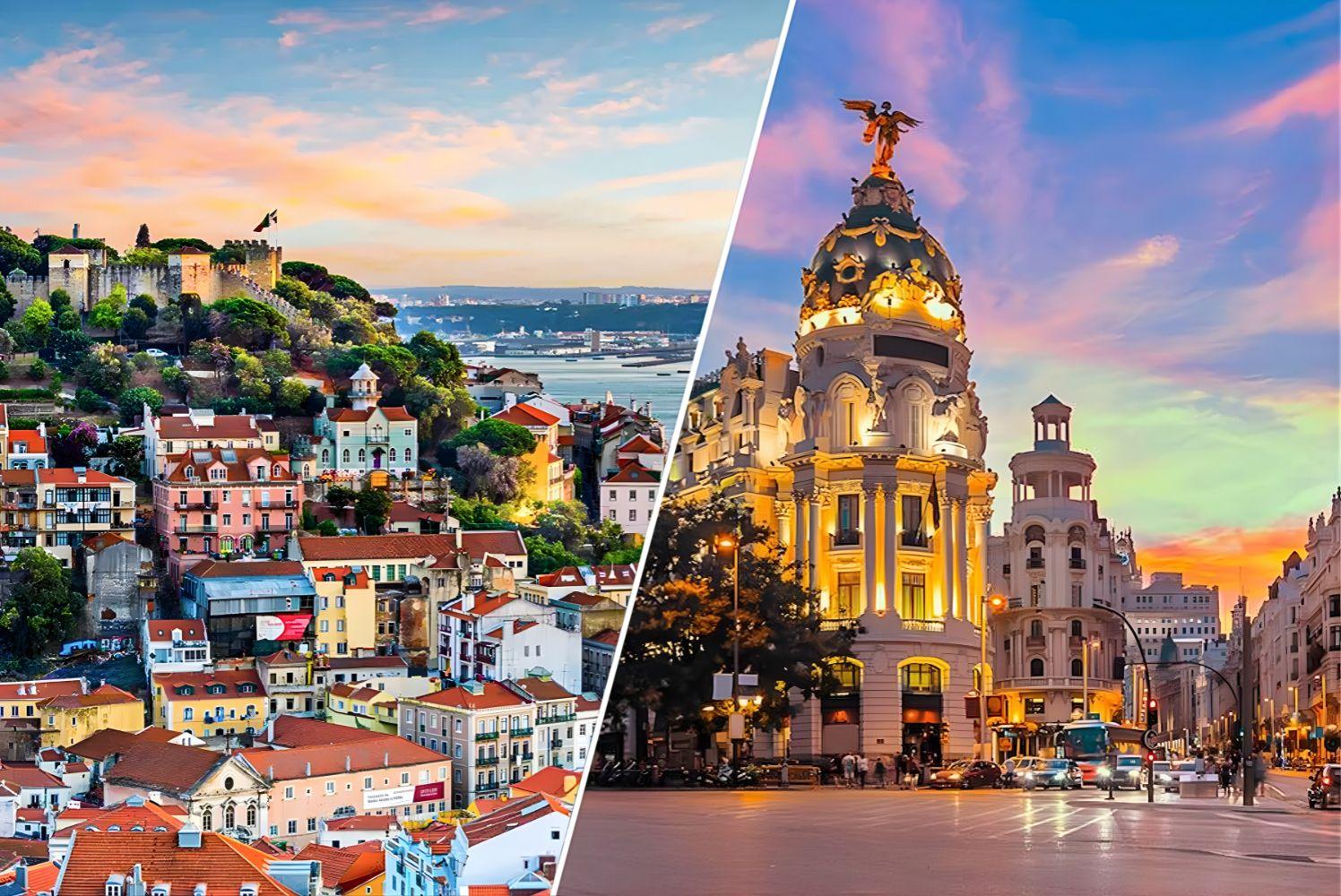
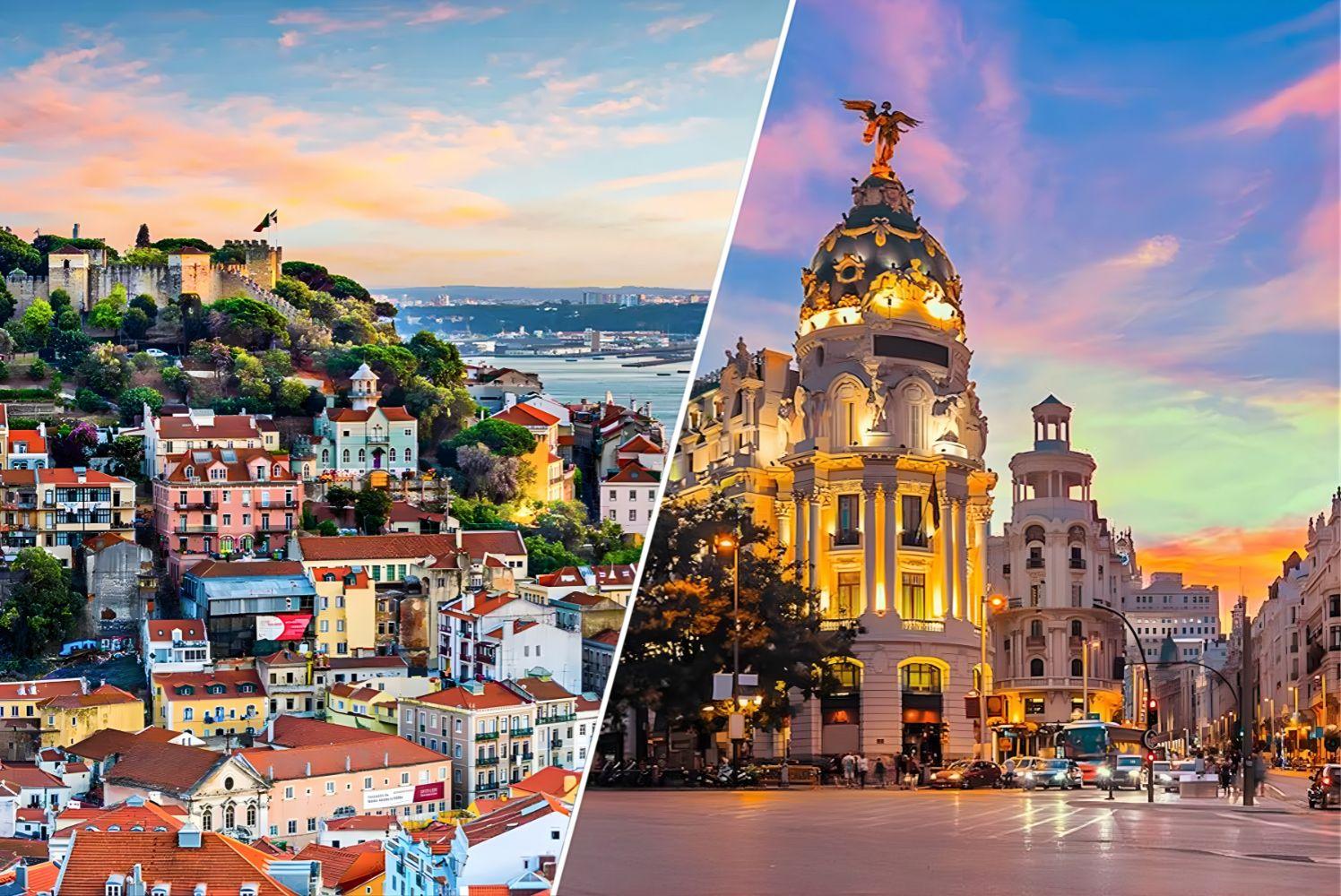
Europe tells a different story. It remains one of the richest regions for prime property investments, but the interesting action is not spread evenly. Lisbon has become one of the markets to watch most closely. It still benefits from lifestyle appeal, international demand and a sense of relative value compared with older European prestige markets. What makes Lisbon compelling is that it feels attractive on both a practical and emotional level. It offers climate, walkability, culture and a rhythm of life that many buyers find genuinely persuasive. Those softer qualities matter more than analysts sometimes admit.
Madrid has also earned a stronger place in the 2026 conversation. It may not have the coastal glamour that draws lifestyle headlines, but it has something arguably more durable: it is a serious city that remains liveable. Prime districts are tightly held, international attention has grown and the city carries a blend of business relevance and everyday charm that feels increasingly hard to find. Buyers who favour places with both energy and depth often land there.
London Still Has Gravity, Even If Momentum Is Different
London remains important, of course, but its role has evolved, and a closer look at London’s prime residential market helps explain why it now feels more selective than automatic. It still functions as one of the world’s most recognisable stores of wealth, and there will always be buyers who want a foothold there for family, education, business or simple prestige. Yet London in 2026 feels more like a market for careful buyers than impulsive ones. It still has gravity. What it no longer has is unquestioned momentum.
Why Miami and New York Still Hold Attention
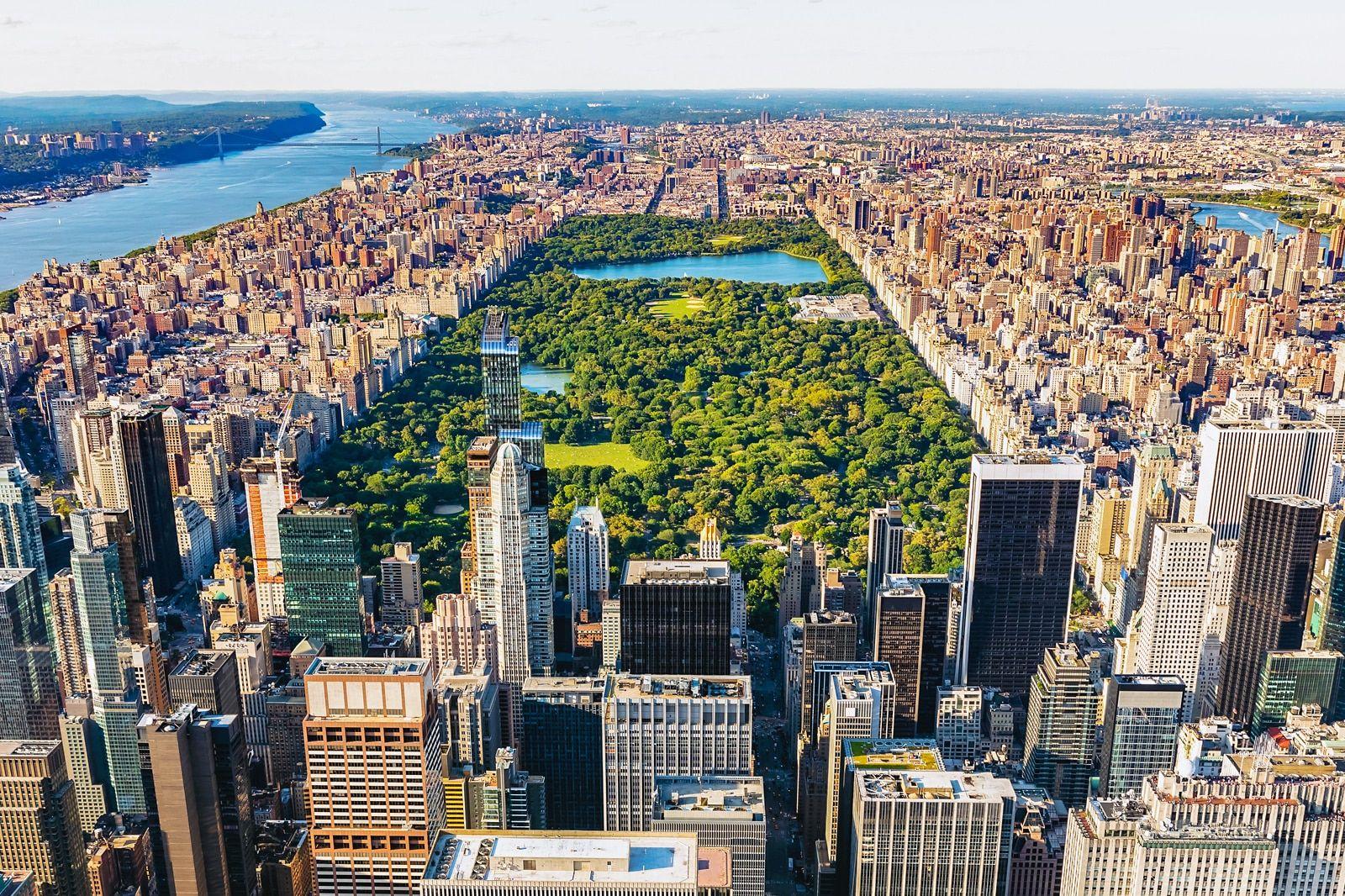
Across the Atlantic, the United States continues to offer global visibility, liquidity and cultural pull. New York keeps its place as one of the ultimate trophy markets because there are very few cities that match its depth. Owning there still means something, financially, socially and symbolically. But the more interesting American story may still be Miami. Over the past few years it has evolved from a sunshine favourite into a serious luxury hub. It combines lifestyle, tax appeal, international access and growing business relevance in a way that very few cities can manage. It has already had its surge, but it has not lost its relevance. That is an important distinction.
Why Lifestyle and Investment Logic Now Move Together
Another major trend shaping 2026 is the way buyers now blend lifestyle and investment logic into a single decision. The old divide between an emotional purchase and a strategic one feels much weaker than it once did. The most attractive luxury markets now tend to satisfy both instincts at the same time. Buyers want a home they enjoy, in a city they trust, with demand that feels deep enough to support long-term value. That blend is part of what keeps prime real estate so powerful.
Why Convenience and Calm Matter More Than Spectacle
There is also growing interest in homes that make daily life easier. Not louder, not flashier, just better. Smart home integration, strong security, lower-energy design, better wellness features and more adaptable layouts all matter, but only when they feel useful. Buyers have become harder to impress with surface-level talking points. They want homes that work well, age well and feel good to spend time in. That may be one of the biggest shifts of all. In luxury, convenience and calm are becoming more valuable than spectacle.
What This Means for Investors in 2026
What does all of this mean for investors? First, broad global exposure is no longer enough on its own. The winning approach in 2026 is selective. Second, prime demand is still there, but it is flowing towards markets with credibility, scarcity and a strong reason to remain internationally relevant. Third, some of the strongest opportunities are found in cities that combine emotional appeal with hard fundamentals. That is why Lisbon, Madrid, Seoul and Tokyo feel so important this year. They are not just fashionable. They are supported.
Why Prime Real Estate Still Holds Long-Term Appeal
There is a wider point here too. Real estate still matters to wealthy buyers because it offers something many other assets cannot. It can be used, enjoyed, borrowed against, passed on and lived in. It creates a form of connection that numbers on a screen rarely do. That is why, even in a more disciplined cycle, prime markets continue to attract capital. For readers following global shifts through LuxuryProperty.com , that is perhaps the most useful takeaway of all: the world is still buying, but it is buying with sharper eyes.
The Real Shape of the 2026 Luxury Market
That is the real shape of the market in 2026. Not a scramble, not a frenzy, and not a simple race towards whichever city made the biggest splash last year. It is a more thoughtful movement of wealth towards places that feel enduring. The world’s best-performing luxury markets are not just desirable. They are believable. And right now, belief may be the most valuable thing a property market can have.