
Dubai Design District D3 Expansion
20 July 2026Written by Jason Hayes
A District That Already Moves Differently
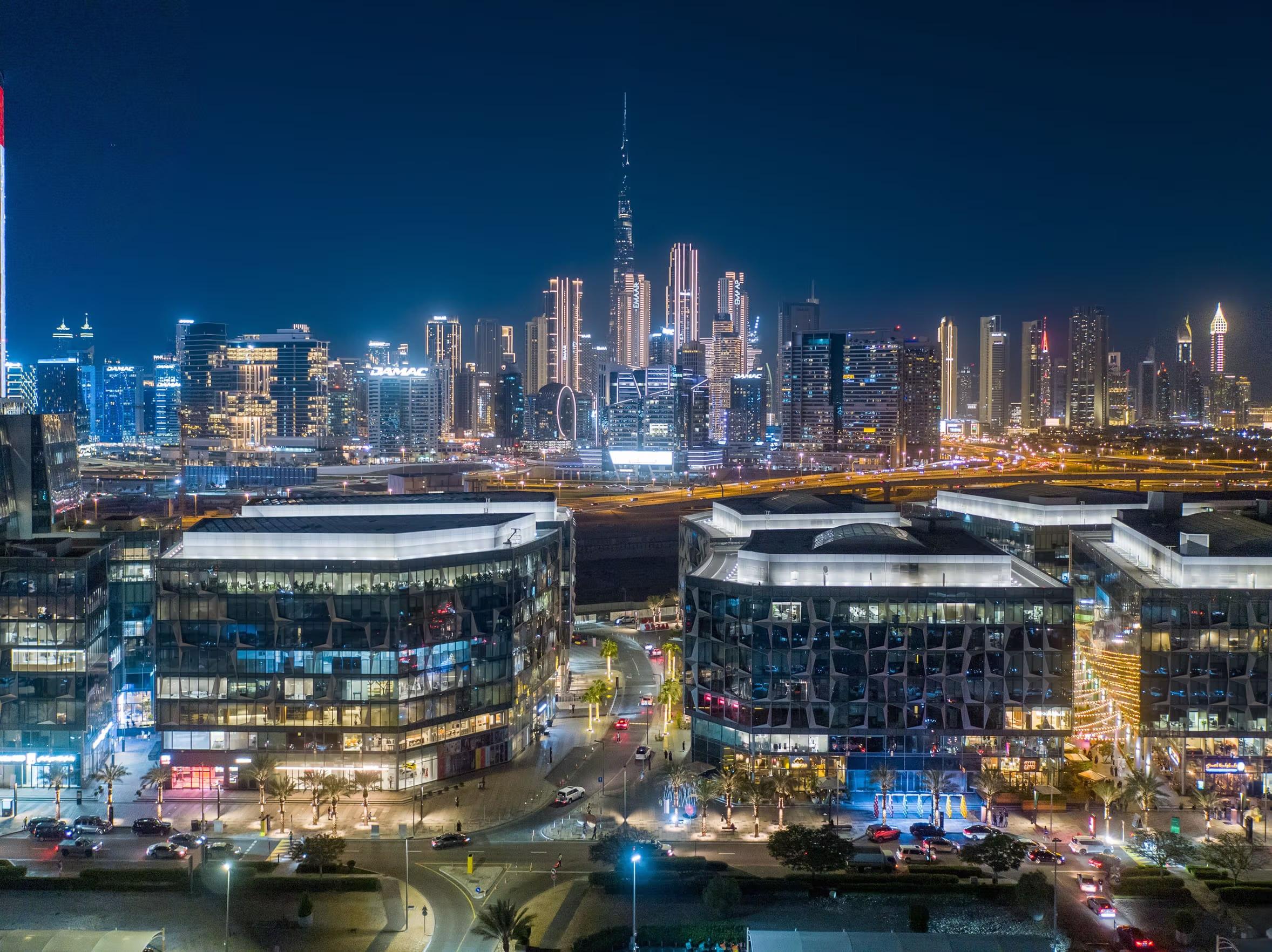
There is a certain kind of Dubai afternoon where the city feels like it is moving at two speeds at once. Outside, the roads are busy and the skyline is doing what it always does, shining, stretching, refusing to sit still. Then you slip into Dubai Design District D3, and the tempo changes. You see people walking instead of rushing, talking instead of honking, looking up at murals and installations like they have time. It is one of the few places in central Dubai that has always felt made for people, not only for traffic.
The Expansion In Plain Terms
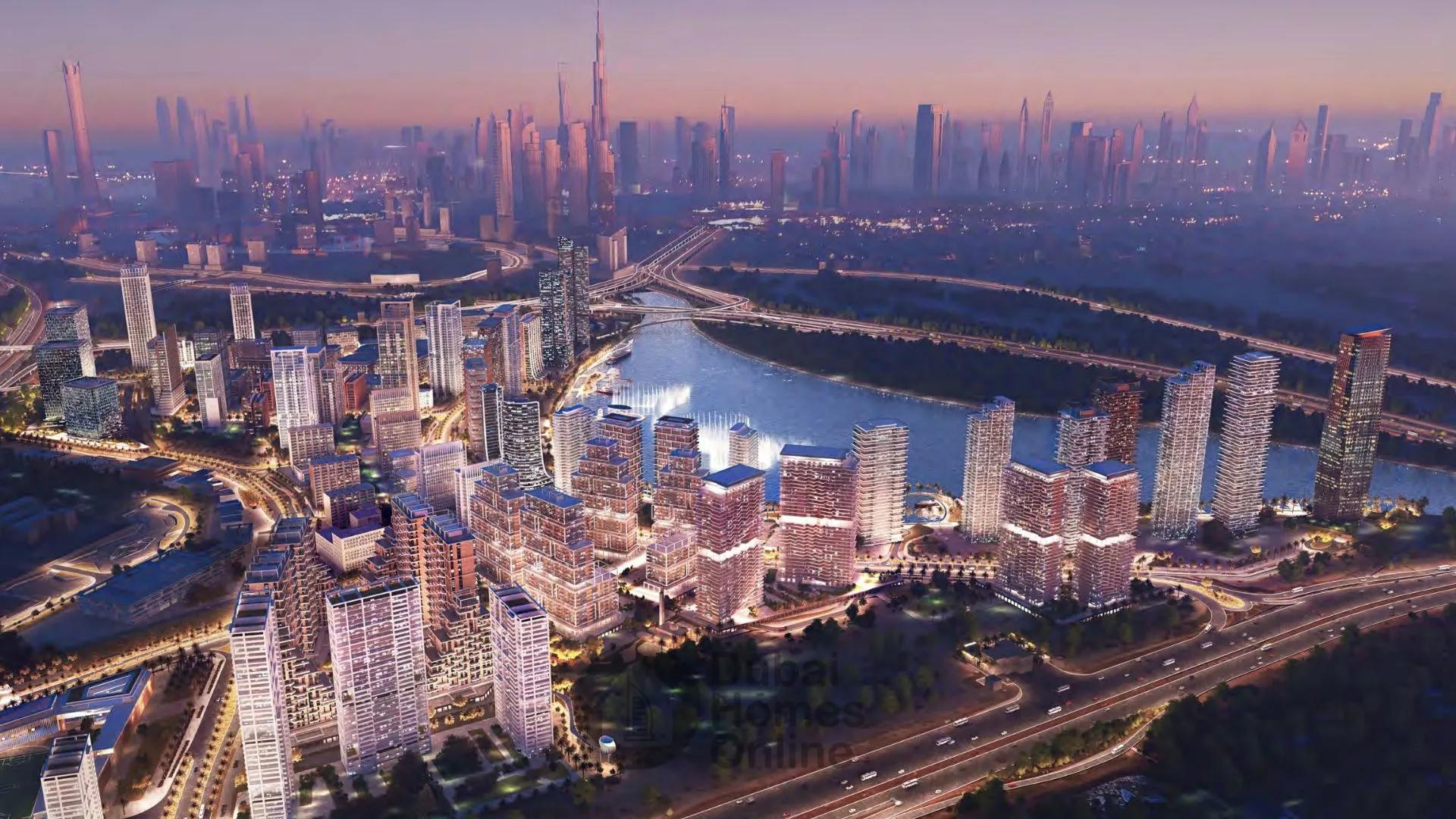
Meraas, a Dubai based developer and part of Dubai Holding Real Estate, has revealed a major residential expansion for Dubai Design District. The plan covers 18 million square feet of land between Downtown Dubai and Dubai Creek and brings together homes, culture, retail, and hospitality in a canal front setting. In plain terms, D3 is shifting from being a place you visit to being a place you can properly live.
Why this matters now
Dubai’s property story is not only about towers anymore. It is about neighbourhoods that make daily life easier. People want central locations, but they also want a sense of community, a reason to walk outside, and something more memorable than a lobby and a lift. Waterfront living remains a huge pull, and lifestyle led homes in prime areas are in strong demand. The D3 expansion is clearly designed to meet that appetite, while keeping the district’s creative identity intact.
It is also positioned as part of a bigger ambition. Meraas has described the expansion as supporting Dubai’s goal of becoming a global hub for design, culture, and innovation, aligned with the Dubai Economic Agenda D33. That context matters because D3 has always been more than real estate. It is a statement about what Dubai wants to be, and how it wants people to live inside that vision.
Where Work, Life, and Design Flow
The masterplan reads like a promise of a complete live work environment, not an island of residences dropped into a commercial zone. The language is all about connection, walkable streets, green spaces, cultural life, and a waterfront neighbourhood designed for creative professionals, investors and families looking for design led urban living, One feature stands out straight away, the Design Line.
The Design Line, walking as the main event
The Design Line is planned as a shaded, pedestrian first spine that links the whole district. Instead of making people weave around roads, it is meant to pull the community together through one clear, comfortable route. Meraas says it will be lined with public art, creative installations, landscaped green corridors and community spaces. That matters because it turns walking into an experience. A route like that changes habits. You pop out for coffee and end up staying out. You meet someone you know. You stumble into an exhibition. You take the long way home because it feels good.
From a liveability point of view, this is the kind of detail that separates a masterplan that looks good on paper from a neighbourhood people actually use. It is also the sort of feature that tends to hold value over time, because it makes the place feel human at street level.
Five areas with distinct personalities
The expanded masterplan is structured around five distinct areas. The best way to understand them is to imagine five different versions of a good day.
Canal Front Neighbourhood
There is a canal front neighbourhood, with residences paired with boutique hospitality. This is the quieter view first side of the plan, where water becomes part of the daily rhythm and the promenade feels like an extension of home.
Urban Core
There is an urban core that combines homes with curated retail and dining. This is where practicality meets character, the “I can do everything in one walk” part of the district, but with D3’s design sensibility rather than generic high street energy.
Cultural Quarter By The d3 Bowl
There is a cultural quarter overlooking the D3 Bowl. If you have ever been in D3 during an event, you know how quickly the atmosphere can change when the lights come on and the crowd gathers. This zone is designed to keep that cultural pull at the heart of the community, so living here feels connected to what is happening, not separate from it.
Wellness Focused Residential Zone
There is a wellness focused residential zone with parks and sports facilities. This is the breathing space, built for people who want green areas close enough to use every day, not only on weekends. In a central location, that kind of accessible calm can be the real upgrade.
Creative Hub
There is a creative hub with galleries, studios and loft style spaces. This is important because it protects the reason D3 exists in the first place. It keeps the district from becoming a nice address that happens to have “design” in its name. It keeps creation visible, active and part of daily life.
Sustainability and the landscape beyond the city
The community is targeting LEED Silver certification, with a focus on sustainable mobility, energy efficient design and a human centric approach to movement. That kind of planning is not only a badge. It usually means better thought out streets, better shade and comfort, and a community designed to be used, not just photographed.
The plan also highlights strong visual connections to Dubai Creek Harbour and Ras Al Khor Wildlife Sanctuary. If you have never been near Ras Al Khor, picture a protected natural pocket beside the city, known for wetlands and wildlife. It is one of Dubai’s quiet surprises, and referencing it in the masterplan signals an intention to keep nature as part of the district’s outlook, even in a very urban setting.
Momentum is already building in D3
This residential push is not arriving into a vacuum. D3 has been showing strong buyer interest in recent launches. Meraas pointed to the sell out of Atelis, a 280 unit waterfront tower, and the successful launch of The Edit, a three tower development offering 557 design led homes, as proof of growing confidence in the area.
Pricing is not included in the new masterplan announcement itself, but current launches and listing ranges in the district give a fair sense of where buyers are entering today. Property aggregator sites have shown Design Quarter at D3 with smaller apartments priced from about Dh1.87 million to Dh2.02 million. The Edit, another Meraas launch, has been listed from around Dh2 million for a one bedroom home, while top end penthouses have been advertised at Dh34 million and above. Atelis has been listed with one bedroom homes from about Dh2.1 million, and larger three and four bedroom units roughly from Dh7.4 million to Dh10.4 million, with sky villas and penthouses higher. For US readers, Dh is the UAE dirham.
A district that can sell out key launches and keep demand steady is usually a district that has found its audience, and D3’s audience is clear, people who want a central location with an identity.
Where Culture Meets Home
This is not meant to be a sleepy suburb, and it is not trying to be. The pitch is for people who want city life with an edge of culture and water. For creative professionals, the appeal is obvious. You live near studios, galleries, events, and the kind of network that normally requires a lot of driving. The district already has a creative pulse, and the expansion adds the missing piece, a residential base that makes everyday life feel seamless.
For investors, D3 has something many areas cannot manufacture quickly, an identity. It is a known cultural district, anchored between major destinations, with demand patterns that have already shown strength. A waterfront angle in central Dubai adds another layer of long term appeal, particularly when the masterplan is designed around walkability and integrated living. For families, the draw is a more balanced daily routine. Walkable streets, shaded connectivity, parks, sports facilities, and a masterplan that treats community spaces as essential, not decorative. In a city where time can disappear in traffic, living somewhere that reduces friction is its own kind of win.
What to watch next
Masterplans are exciting, but the real test is the ground level reality. The Design Line needs to be genuinely usable in Dubai’s climate, consistently shaded, comfortable and lively. The five areas need to feel distinct when you are walking through them, not just on a brochure map. And the creative hub needs to arrive early enough to keep D3’s identity strong as the residential side grows.
If that happens, this expansion could become one of the most interesting urban stories in Dubai’s next chapter. Not because it is large, although 18 million square feet is huge, but because it leans into what makes D3 special and builds around it. Canal living, creative streets, green pockets, culture on the doorstep, and a neighbourhood designed to be lived in, not only looked at. If it is delivered well, d3 will not just be a creative district anymore. It will be a creative home.
Read more: