
Areas shaping Dubai’s rental market 2026
6 March 2026Written by Dante Penniecooke
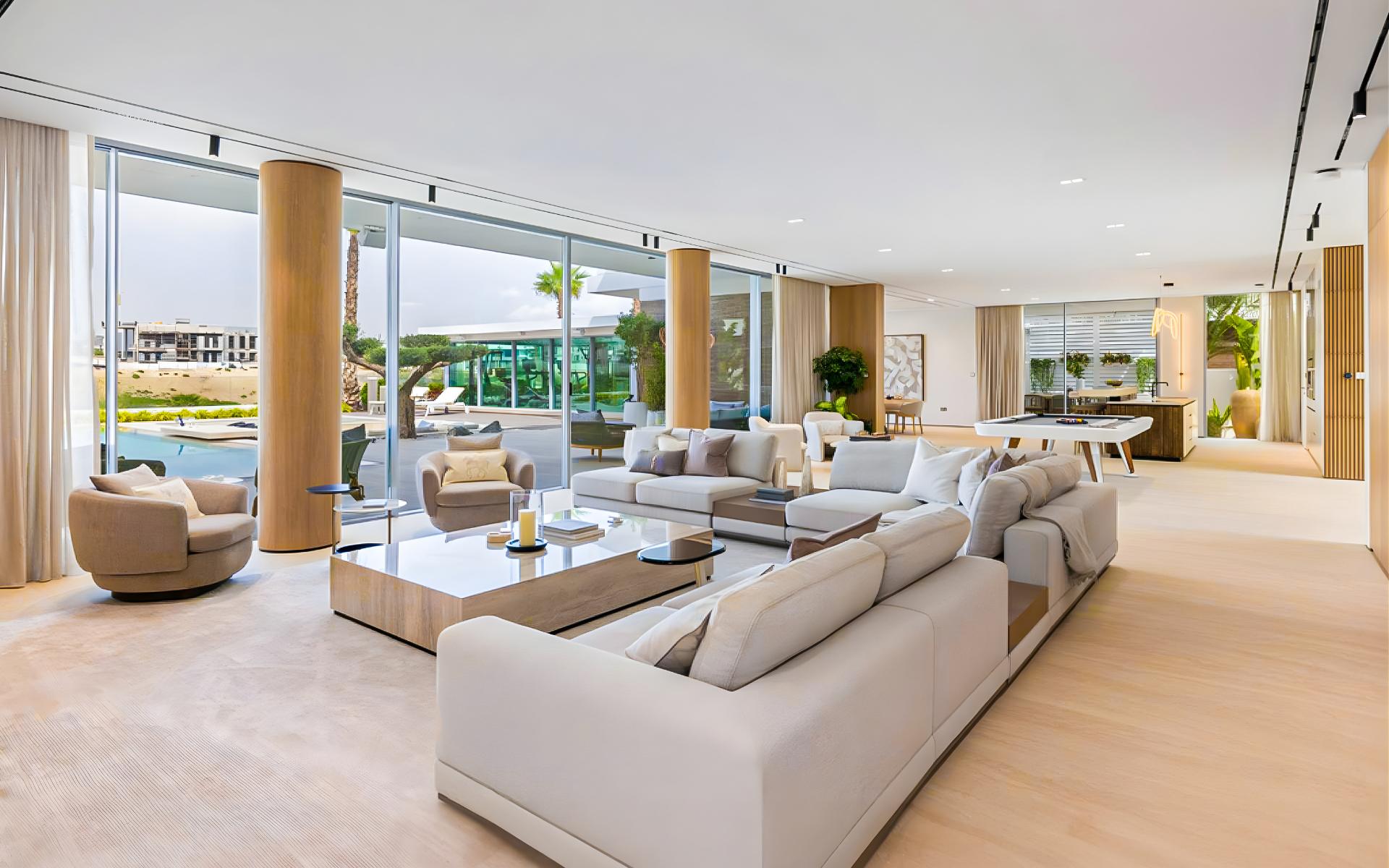
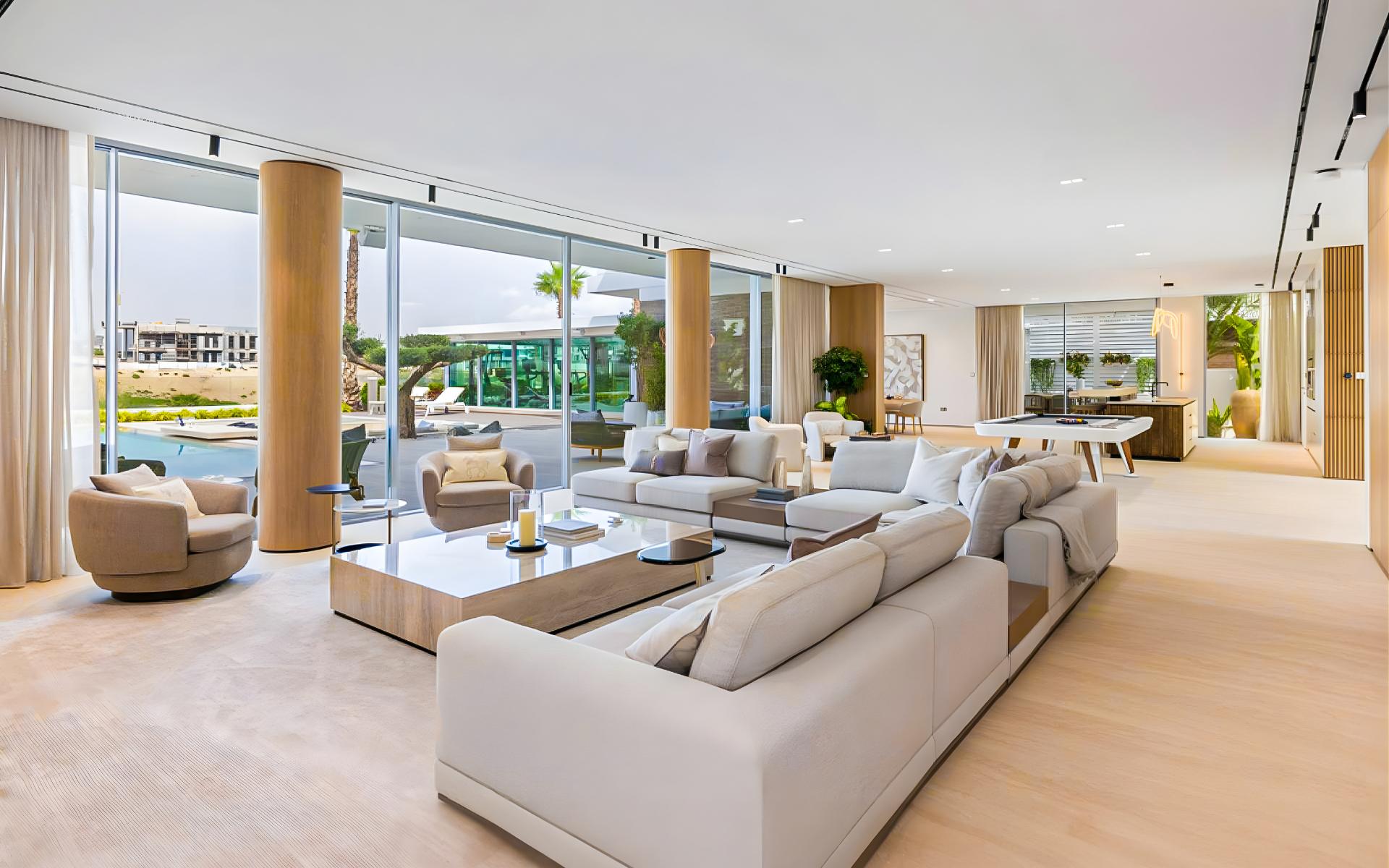
For renters in Dubai, 2026 has been less about sudden shocks and more about gradual realisation. If you are renewing a lease, the rules are familiar. Rent increases are guided by the Smart Rental Index, and for many tenants that has kept year-on-year changes manageable. The bigger challenge appears when you decide to move. New neighbourhoods bring new pricing realities, and in some parts of the city, the cost of entry has quietly risen.
Why Rent Pressure Is Building Selectively
What is happening is not a citywide surge. It is selective. Certain communities are pulling ahead while others plateau or soften slightly. The difference is not about trendiness or marketing. It is about where people are choosing to stay.
Across the leasing market, demand is concentrating in established neighbourhoods that support long-term living. Families are committing to schools. Professionals are settling into routines. Tenants are prioritising space, greenery, and daily convenience over novelty. In those areas, availability tightens and rents respond.
Six Dubai Neighbourhoods Where Rents Are Tightening
Based on leasing activity, broker feedback, and on-the-ground demand seen through LuxuryProperty.com, these are six Dubai neighbourhoods where rental pressure continues to build in 2026. Individual property prices will always vary, but the direction of travel in these communities remains consistent.
Arabian Ranches
Indicative rents: from AED 180,000 per year for a two-bedroom villa
Arabian Ranches has long been one of Dubai’s most stable residential areas, and if you are weighing the lifestyle properly, the best schools in Arabian Ranches 1 and 2 help explain why families stay put. This is a community built around routine rather than excitement. The streets are familiar. Schools are close. Amenities are established. Families move in and tend to remain for years, which limits turnover and reduces available stock.
Villa rents have risen gradually, particularly for homes that have been maintained or modestly upgraded. Layouts are practical, outdoor space is usable, and the environment feels settled rather than transitional. Pricing varies by cluster and condition, but Arabian Ranches consistently attracts tenants willing to pay a premium for predictability and space.
Dubai Hills Estate
Indicative rents: from AED 100,000 per year for a one-bedroom apartment
Dubai Hills Estate has evolved from a master plan into a functioning neighbourhood, and that shift has supported steady rental growth. The area now offers a complete daily ecosystem, and the Community Guide Dubai Hills Estate gives the clearest picture of why it feels so liveable. Parks are active. The mall is integrated into everyday life. Schools, clinics, and cafés sit within short drives or walks. This sense of completeness has made Dubai Hills one of the most reliable apartment rental markets in the city.
One-bedroom apartments are particularly in demand, especially those near the park or mall. Rental increases here have been measured rather than dramatic, reflecting sustained interest rather than speculative spikes. As with all large developments, rents differ significantly by building, view, and proximity to amenities, but overall resilience remains strong.
Jumeirah Golf Estates
Indicative rents: from AED 102,000 per year for a one-bedroom apartment
Jumeirah Golf Estates attracts a very specific renter profile, and that profile has grown in recent years. Tenants moving here are usually seeking a quieter pace. Less density. More open space. The presence of two championship golf courses defines the character of the community, keeping buildings low-rise and views open.
Apartments and townhouses have seen increased interest, while villas remain limited in supply. Rental movement here tends to be gradual and stable rather than volatile, with tenants often renewing once they settle. Pricing depends heavily on unit size and outlook, but demand remains consistent among renters prioritising environment over proximity to commercial districts.
Palm Jumeirah
Indicative rents: from AED 170,000 per year for a one-bedroom apartment
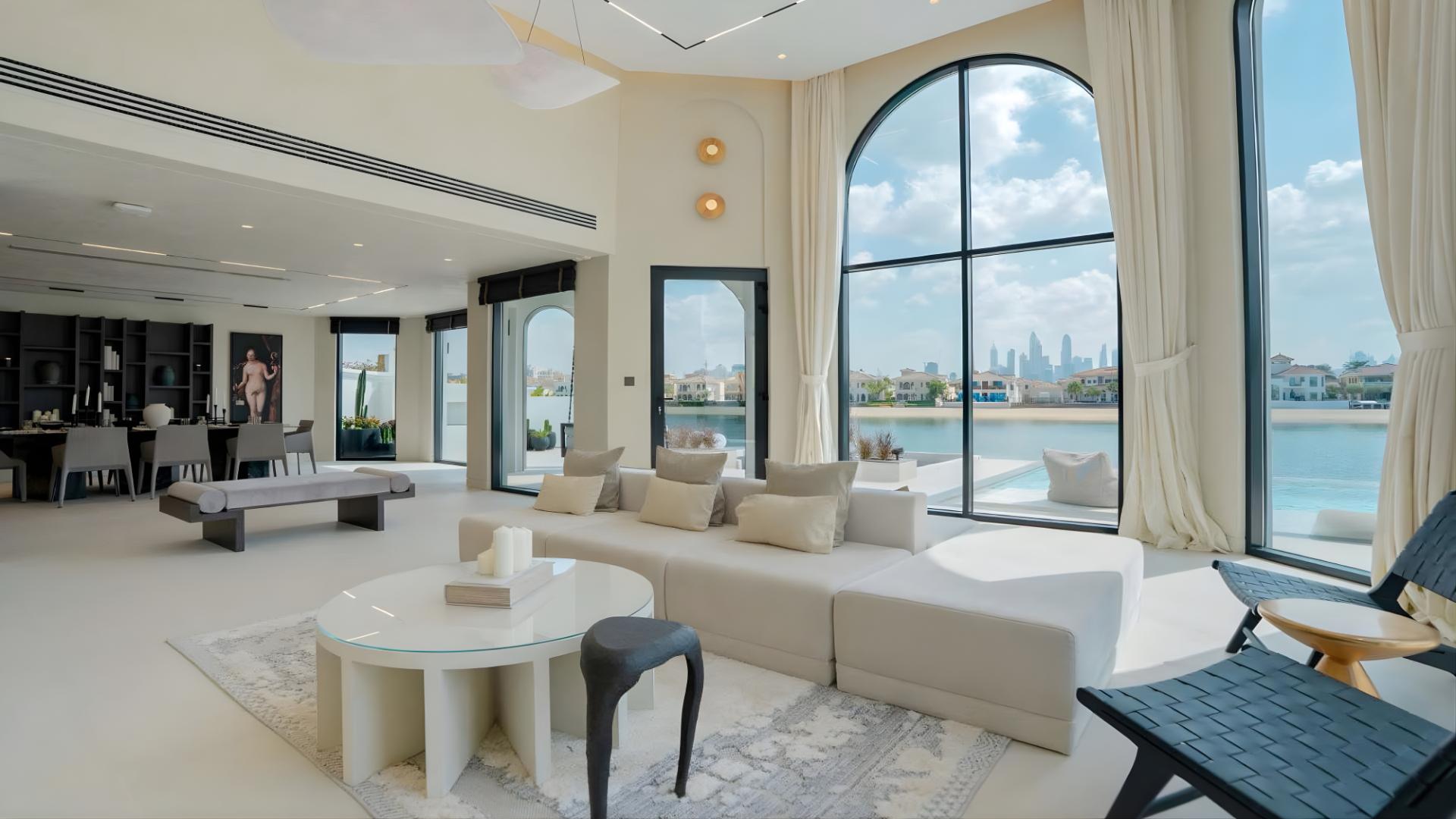
Palm Jumeirah continues to command strong rental demand, though the reasons have matured, and the ultimate guide to buying property on Palm Jumeirah captures why the lifestyle still holds its value. The appeal today is not novelty, but ease. Walkable beachfronts, dining within minutes, and buildings with established management all contribute to the Palm’s staying power. Waterfront living remains limited across Dubai, and that scarcity underpins rental resilience.
One-bedroom apartments are driving much of the activity in 2026. They offer access to the Palm lifestyle without the higher commitment of villa rents. Units with open sea views or favourable layouts typically attract quick interest when priced realistically. Actual rents vary widely by tower, view, and condition, but demand remains firm for quality properties.
Tilal Al Ghaf
Indicative rents: from AED 250,000 per year for a villa
Tilal Al Ghaf has entered a new phase of its lifecycle, and discovering serenity a journey through Ghaf Woods at Tilal Al Ghaf shows the kind of community mood that keeps pulling families in. As handovers progressed and facilities opened, the community shifted from anticipation to occupation. Families upgrading from apartments are a key driver of demand here. The layout encourages outdoor living, homes are designed for daily use rather than show, and the lagoon has become part of residents’ routines rather than a feature to visit occasionally.
Villa rents have risen as availability tightens, particularly within established clusters close to amenities. Many tenants relocating to Tilal Al Ghaf are planning multi-year stays, which naturally reduces turnover. Pricing still varies significantly by location and configuration, but the overall trajectory remains upward.
Victory Heights
Indicative rents: from AED 300,000 per year for a villa
Victory Heights remains one of Dubai’s quieter success stories. Despite being close to areas where rents have softened, this gated golf community continues to perform strongly. Large plots, generous villa sizes, and mature landscaping are increasingly difficult to replicate elsewhere in the city.
Supply is limited, and owners are often selective about renting. When a villa becomes available, demand tends to come from families who have already explored multiple alternatives and value space and privacy above all else. Rental levels depend on villa size and upgrades, but scarcity continues to support pricing.
What renters should understand in 2026
The rental market in Dubai is not moving in one direction. Some areas are stable, some are correcting, and others are tightening quietly. In 2026, rising rents are most visible in communities where people settle rather than circulate. Space, schools, greenery, and a sense of permanence are driving demand more than short-term trends. Acting early, focusing searches, and recognising value beyond headline prices have become increasingly important.
At LuxuryProperty.com, our role is to guide renters through these nuances with local insight and realistic expectations, ensuring decisions are based on lived market behaviour rather than noise. In these six neighbourhoods, the pattern is already clear. Availability is tightening, and rents are responding accordingly.