
Dubai Harbour’s New Waterfront Gateway
10 March 2026Written by Kristina Caruso
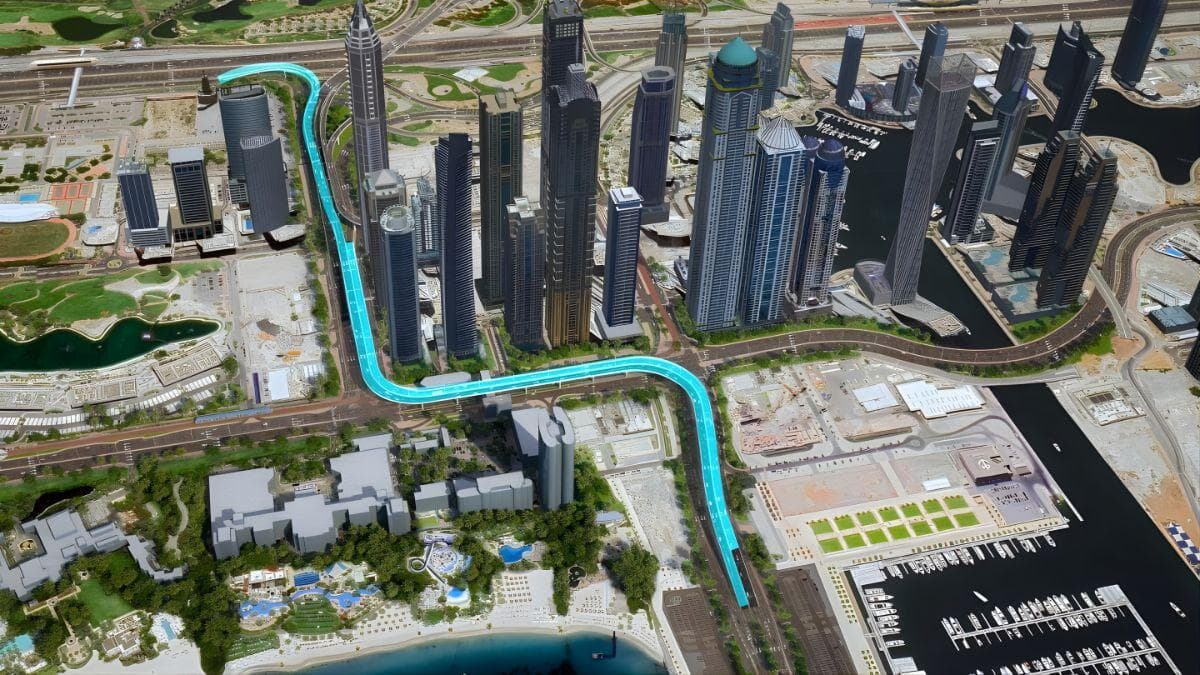

If you have ever tried getting in or out of Dubai Harbour at the wrong time, you will know the feeling. You are so close, the skyline looks like it is right there, and yet the last stretch can drag on much longer than it should. That is why this new bridge project has people genuinely excited, not in a headline kind of way, but in a very practical, daily life kind of way.
Dubai’s Roads and Transport Authority has shared an update that makes this feel real and imminent. Construction is now 65% complete on a 1,500 metre bridge that will create direct access to and from Sheikh Zayed Road to Dubai Harbour. This is not a minor adjustment, it is a proper new connection designed to take pressure off the surrounding roads and make the whole area easier to reach.
A bridge built for real traffic, not just good visuals.
The design is straightforward, which is usually a sign it will work well. The project includes a two lane bridge in each direction, so there are two lanes heading into Dubai Harbour and two lanes heading back out. That matters because it reduces the chance of new bottlenecks forming where the bridge meets existing roads.
Capacity has also been clearly planned. Once operational, the bridge is expected to handle 6,000 vehicles per hour. When you picture the volume of residents, visitors, event traffic, taxis, delivery vehicles, and weekend crowds in that corridor, that number starts to make sense. It is built to move people, not just to sit there looking impressive.
A 3 Minute Connection That Changes Everything
The big promise is the travel time reduction. Once the bridge is operational, travel times around Dubai Harbour are expected to drop from around 12 minutes down to just three minutes. Three minutes might not sound like a life change on paper, but in reality it is huge. It is the difference between being relaxed and being late. It turns a “Let’s go another day” plan into a quick, spontaneous trip. It is the difference between dreading the exit and barely thinking about it.
It also changes how the area feels. When access is easy, a place becomes part of your natural routine, not a destination you visit only when you are in the mood to deal with traffic.
So when is it expected to be completed?
The project is expected to be completed in the third quarter of the current year. In practical terms, that means it is targeted for Q3 2026, which runs from July to September 2026. That wording matters because it is the clearest way to keep it accurate. It is not a vague “soon”, and it is not a fixed date either. It is a defined window, and it gives you a realistic sense of when this new three minute connection could become part of daily life.
The RTA has also confirmed that around 90% of the work to upgrade and adjust utility services connected to the project is now complete. If you have lived in Dubai long enough, you will know utility work can be the part that quietly holds everything up, so this is a genuinely encouraging milestone. Alongside that, approved traffic diversions have been rolled out, helping traffic move more smoothly while construction continues.

The Route Behind the Plan
Dubai Harbour sits between Bluewaters Island and Palm Jumeirah and is close to some of Dubai’s most famous attractions, including Burj Al Arab, and it also benefits from being next to the broader Dubai Marina waterfront district. It is not tucked away, it is right in the middle of where people want to be, especially along the waterfront. The bridge route is also quite specific, and that is a good sign because it shows the plan has been properly mapped to the real network around it.
The project includes a bridge extending from Interchange 5 on Sheikh Zayed Road, near the American University in Dubai. From there it passes through the intersection of Al Naseem Street and Al Falak Street, crosses over King Salman bin Abdulaziz Al Saud Street, and then connects to Dubai Harbour Street. If you know the area, you can already picture how this will reshape the flow. It is not just a new bridge, it is a cleaner path that helps distribute traffic more logically, rather than forcing everyone through the same pressure points.
Why this matters beyond convenience
It is easy to think of road projects as just traffic fixes, but in Dubai they often act like a signal. When major infrastructure improvements land in a district, it usually means the city is planning for that area’s next phase of growth, which is a pattern you can also see across other waterfront destinations like Mina Rashid. Dubai Harbour is described as a unique residential seafront destination and home to the largest marina in the region, and this Dubai Harbour waterfront lifestyle overview captures why the area has become such a draw. That means its appeal is not just apartments and views, it is also lifestyle, hospitality, waterfront dining, and that specific feeling you get when the sea is part of your daily backdrop.
When access improves, everything around it tends to feel more livable. It becomes easier to host friends, easier to pop out for dinner, easier for service providers, and easier for visitors to arrive without arriving stressed. That all feeds into quality of life, which is one of the key aims the RTA has highlighted. His Excellency Mattar Al Tayer, Director General and Chairman of the Board of Executive Directors of the Roads and Transport Authority, said the project reflects Dubai’s rapid growth, with the RTA working closely with private sector partners so roads and transport infrastructure develop in step with new communities, especially along the waterfront. The aim is to improve traffic flow, enhance quality of life, and strengthen Dubai’s position as a leading global city to live, work, and invest in. That is a big statement, but the best part is that the impact is very simple and very real. It is fewer minutes wasted, fewer tight junctions, and smoother movement through a high demand area.
What to expect while construction continues
Until it opens, you will still see the usual signs of an active project. Lane adjustments, diversions, barriers shifting, and the occasional moment where you feel like the road has changed since yesterday. The good news is that with utility adjustments largely done and construction progressing steadily, the remaining work tends to be about completing the structure, surfacing, safety systems, and final integration with surrounding roads. In other words, you can feel the finish line getting closer.
The exciting part, what it could feel like once it opens
Picture a weekend where you decide to head to the harbour without checking traffic five times. You leave Sheikh Zayed Road, take a clean connection, and you are there in minutes. Not the kind of “Dubai minutes” that turn into twelve, but genuinely quick.
If you are keeping an eye on Dubai Harbour from a lifestyle or property perspective, this bridge is one of those changes that can shift how the whole destination is experienced. For anyone exploring what living along the waterfront could look like as the area continues to evolve, the Dubai Harbour waterfront lifestyle overview is a useful reference point to see what draws people to this coastline.