
The 10 Most Expensive Artworks Ever Sold
16 March 2026Written by Philip Moore
Some paintings are admired. Some are studied. And then there are the rare few that cause full scale bidding wars, dominate headlines, and sell for amounts that make even seasoned collectors pause.
Why Some Artworks Sell for Record Prices
That is the strange magic of the high end art market. It is not just about beauty. If it were, plenty of beautiful works would be on this list. The paintings and artworks that reach the very top usually carry something extra, history, scarcity, reputation, and the kind of story you also see behind the most expensive books in the world.
For readers in the UAE, this topic feels especially relevant, especially with art exhibitions in Dubai pulling more attention from collectors and first time buyers alike. Interest in culture, collecting, museums, and even immersive museums in Dubai has grown sharply across the region, and art investment is now part of wider conversations about wealth, identity, and long term value. In that world, the biggest sales are not random moments. They are signals.
What Drives a Record Breaking Sale
So what makes an artwork sell for a record-breaking price? Usually, it is a combination of factors. The artist must matter. The specific work must matter. The timing must be right. The ownership history must be strong. And the buyers in the room, or in private negotiations, must believe they are looking at something truly irreplaceable.
Another point worth noting is that not all major sales happen in public. Auction prices are visible and easy to confirm. Private sales are often quieter, with figures reported by leading market sources rather than formally announced in full detail. Even so, the following ten works are consistently recognised as among the most expensive artworks ever sold, and they continue to shape how people think about famous artworks and art investment.
The 10 Most Expensive Artworks Ever Sold
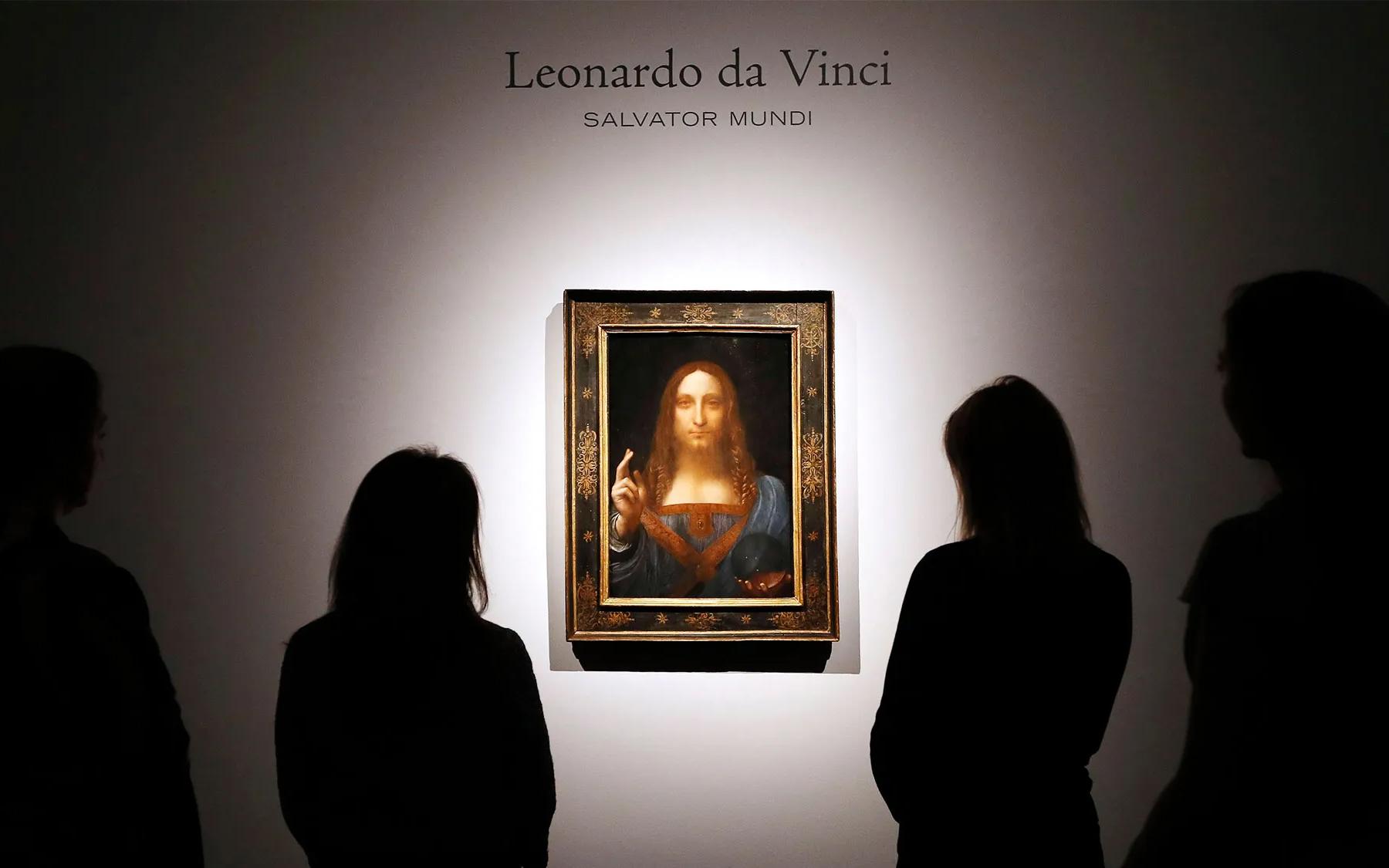
1. Salvator Mundi by Leonardo da Vinci
If there is one artwork that changed how the wider public talks about the art market, it is Salvator Mundi. Its sale became a global moment, not just an art story. Suddenly, people who never followed auctions were discussing Renaissance painting over dinner.
Part of the reason is obvious. Leonardo da Vinci art has a near mythical aura. There are very few paintings attributed to him, which means scarcity is extreme before the conversation even begins. Then came the added layers, rediscovery, restoration, attribution debates, and intense media attention. It was not merely sold as a painting. It was sold as an event. That matters at the top end. Buyers are not only purchasing an image. They are buying a place in history.
2. Interchange by Willem de Kooning
Interchange is one of the works that helped confirm the power of post war American painting in the global market. De Kooning is one of the most important names in Abstract Expressionism, and this painting sits in a key period of his career, when his style was shifting in ways that collectors and historians consider deeply significant.
That point is crucial. In the biggest sales, buyers are often paying for a turning point, not just a finished object. Interchange represents a moment in art history, and those moments are finite. It is also a good example of how private sales can be just as influential as public auction spectacles. Quiet deal, huge impact.
3. The Card Players by Paul Cézanne
Cézanne’s The Card Players has long been treated as one of the pillars of modern painting. When a major version from the series was reported to have sold for an extraordinary sum, it reinforced a simple truth about elite collecting, foundational works carry foundational prices.
Cézanne is often described as a bridge between earlier traditions and modern art. That can sound academic, but in market terms it means this, he matters to almost everyone who studies modern painting. His influence reaches far beyond his own era. When a museum grade Cézanne becomes available, the number is never just about demand in that moment. It reflects decades of consensus about importance.
4. Nafea Faa Ipoipo? by Paul Gauguin
This Gauguin work, often translated as When Will You Marry?, remains one of the most discussed private sales in the art world. It is visually striking, instantly recognisable, and tied to wider conversations about Gauguin’s life and legacy.
That complexity is part of what keeps it in the public eye. The market does not only reward easy beauty. Art that makes people talk and think is the art that lasts. In other words, this is not simply a decorative masterpiece. It is a conversation piece at the highest possible level.
5. Number 17A by Jackson Pollock
Pollock is one of those artists who can split a room. Some people see chaos. Others see control, rhythm, and a complete reinvention of painting. That division has followed him for years, and it is part of what makes his greatest works so compelling.
Number 17A sits in the category of artworks that changed the language of modern art. Buyers are not paying for a familiar subject or technical realism. They are paying for innovation, for the moment painting moved somewhere new. And because truly top Pollocks are rare, any major transaction involving one becomes market news immediately.
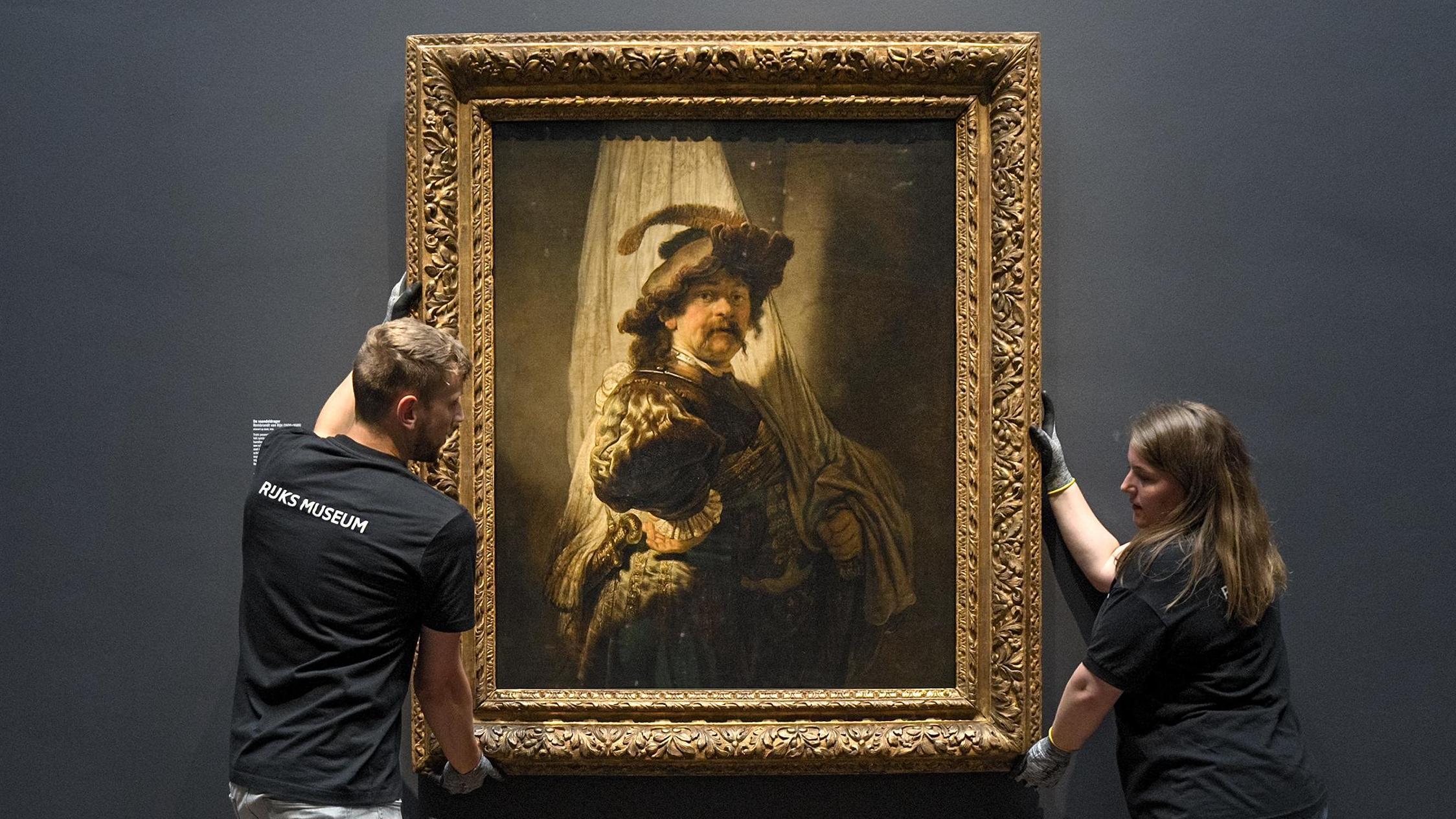
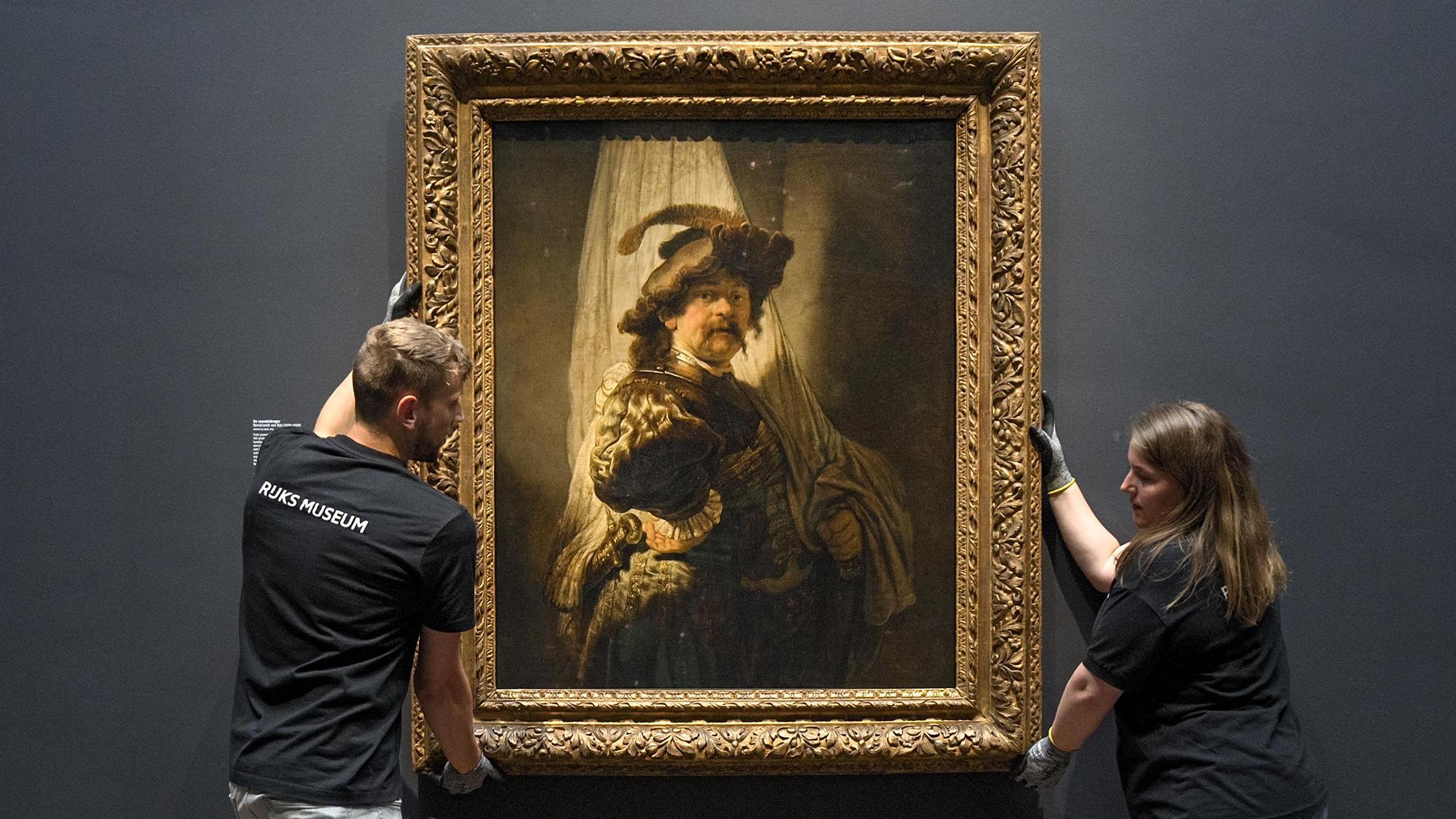
6. The Standard-Bearer by Rembrandt
Rembrandt represents a different kind of artistic authority. With him, the discussion often centres on mastery, national heritage, and the cultural importance of preserving major works. The Standard-Bearer drew major attention for exactly that reason.
This sale reminded people that the top end of the art market is not always driven by private collectors alone. States and institutions also compete, especially when a work carries deep historical meaning for a country or public collection. That shifts the tone completely. The purchase becomes about stewardship as much as status.
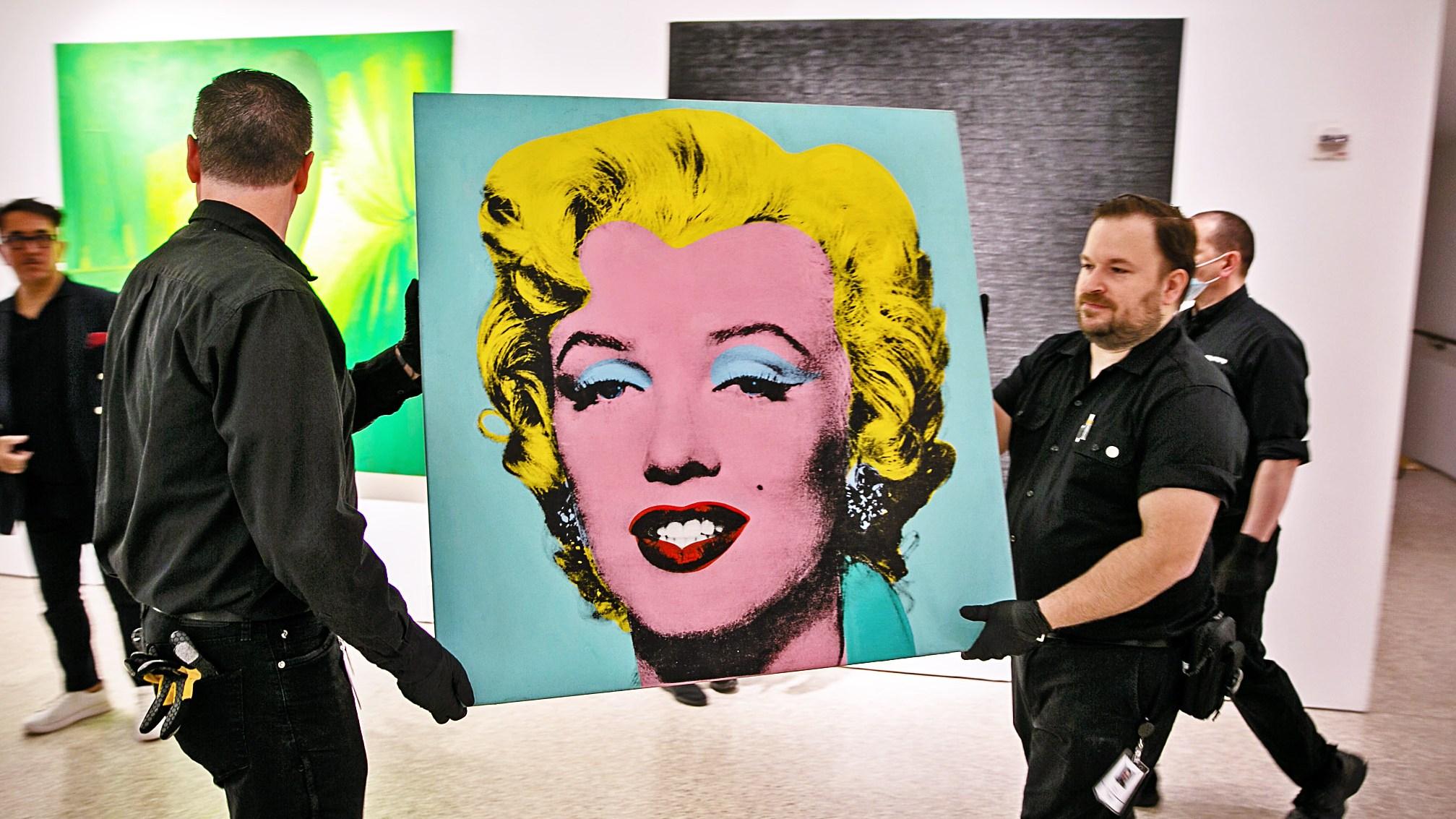
7. Shot Sage Blue Marilyn by Andy Warhol
Warhol had an extraordinary ability to turn fame into art and art into a mirror of modern life. Shot Sage Blue Marilyn is a perfect example. It combines one of the most recognisable faces in the world with Warhol’s cool, repeated, unsettling visual language.
The result is a work that feels both glamorous and slightly haunted. It belongs to art history, but it also belongs to pop culture in a way very few paintings do. That crossover matters in the market. Works that are meaningful to scholars and instantly legible to the public often generate huge energy, and that energy can drive record-breaking sales.
8. No. 6 (Violet, Green and Red) by Mark Rothko
Rothko is often underestimated by people who only see his paintings in photographs, or through best museum virtual tours instead of standing in front of the real thing. In person, a great Rothko can feel immersive and deeply emotional. The colours shift. The scale changes your sense of space. You stand there longer than you expected.
That experience is part of the reason his top works command such extraordinary prices. They do something physical and emotional that reproductions cannot fully capture. No. 6 also remained in the spotlight because of the wider story around its reported sale. In the art market, narrative travels with the object, and that narrative shapes how the public remembers a work.
9. Portraits of Maerten Soolmans and Oopjen Coppit by Rembrandt
These portraits are often treated as a single entry because they were made as a pair and have retained that relationship across centuries. That detail is not minor. It is the heart of their importance.
A pair by Rembrandt, preserved together, carries extraordinary rarity and context. Separate works can be valuable, but paired works with shared history can become culturally irreplaceable. This is one of the clearest examples of how value in art is not just about technical brilliance. Context matters. Continuity matters. The story between the two paintings matters.
10. Water Serpents II by Gustav Klimt
Klimt’s Water Serpents II closes the list with a different kind of appeal. His work often reaches viewers very quickly, even those with little formal art background. There is atmosphere, sensuality, ornament, and a distinctive visual language that feels unmistakable.
But the highest prices are never about appearance alone. This work also carries historical gravity through its ownership history and the broader upheavals of twentieth century Europe. That added layer of memory and loss gives it greater emotional force. Klimt’s strongest works sit in a rare space, immediately beautiful, historically significant, and highly sought after.
What Makes Them Priceless?
The answer is never one thing. It is not just fame. Not just rarity. Not just money in the room. The most expensive artworks ever sold sit at the intersection of all of it, artistic importance, scarcity, condition, provenance, timing, and belief. Belief is the key word. A buyer must believe the work matters now. Museums and scholars must believe it will matter decades from now. The public must continue to care enough for the story to live on.
That is why these sales fascinate people far beyond the art world. They are not only financial headlines. They are moments where history, taste, ego, culture, and ambition meet in one place. And when that happens, the price can become almost secondary. The real sale is the chance to own something the world has already decided it will never forget.