
Sydney Biennale 2026: Inside Rememory
30 March 2026Written by Kevin Namyalo
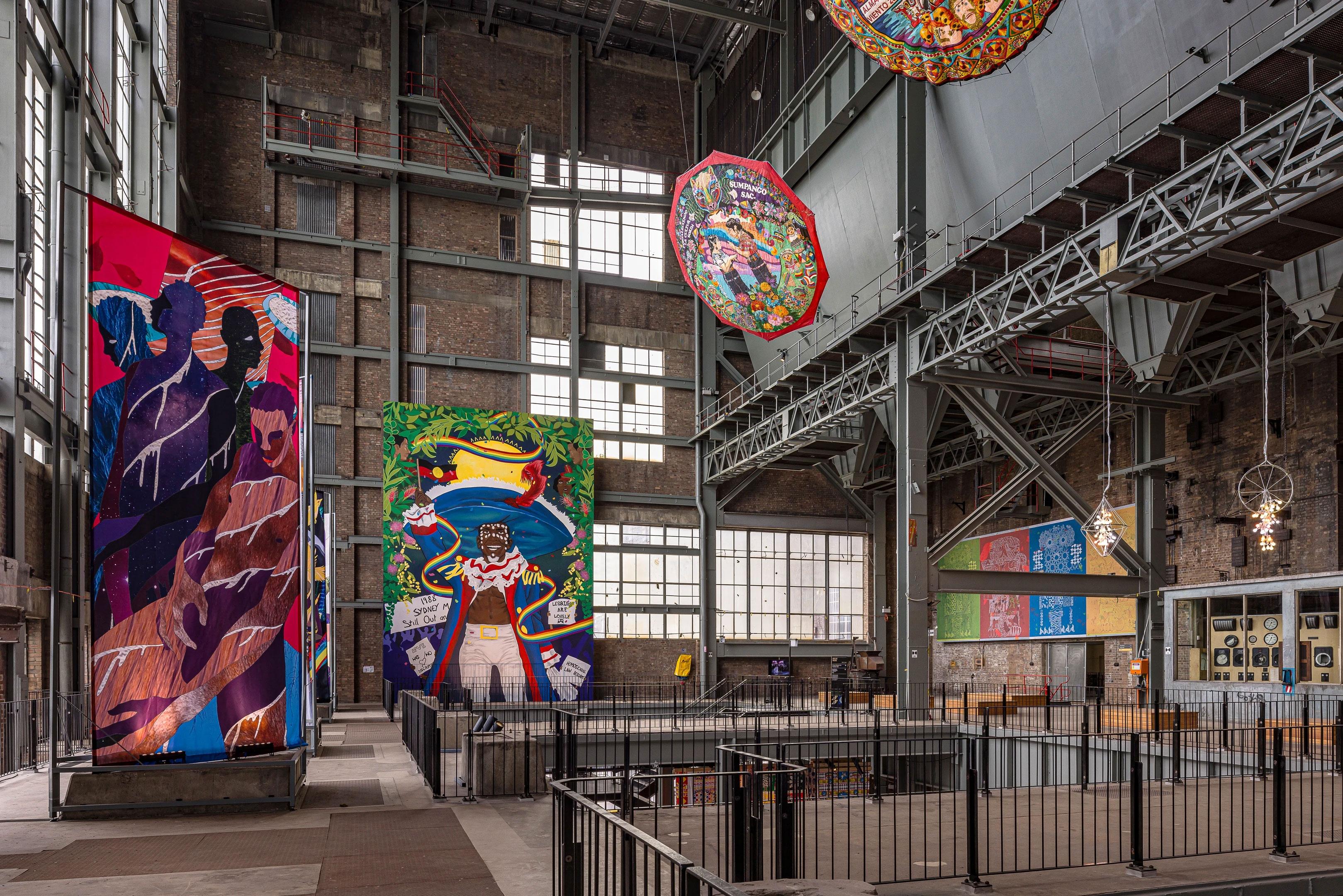
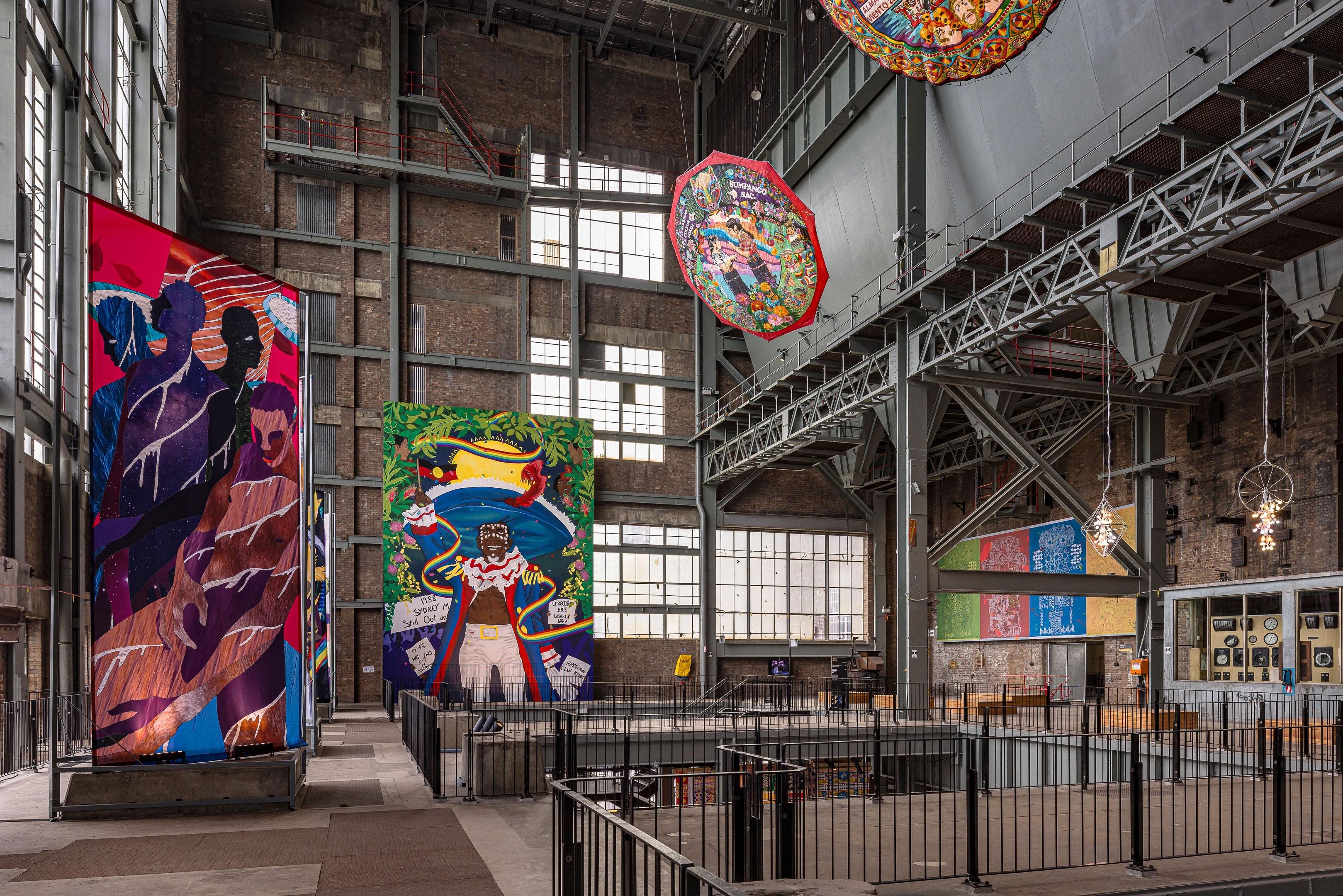
The best cultural events do not just fill a calendar. They change the air around a city. Sydney gets that kind of shift in 2026, when the 25th Biennale of Sydney runs from 14 March to 14 June and turns the city into a place of memory, image, sound, conversation and discovery. This edition is called Rememory, and even the title has a pull to it. It suggests that the past is not something neatly finished and filed away. It lingers, returns, interrupts, and sometimes asks to be seen again in a completely different light. That idea sits at the centre of this year’s Biennale, and it gives the whole festival a sense of emotional depth before you have even stepped into the first venue.
What the Biennale of Sydney Is and Why It Matters
For anyone coming fresh to it, the Biennale of Sydney is not a minor local arts date trying to sound bigger than it is. It has been running since 1973 and has presented work by more than 2,400 artists from over 130 countries and territories. The organisation describes it as one of the leading international contemporary art events, and that feels earned rather than exaggerated. The 2026 edition brings together 83 artists, collaborations and collectives from 37 countries, which means this is not a narrow or inward-looking programme. It is international in the true sense, with many histories, geographies and ways of seeing meeting in one place. That scale matters, not because big numbers are automatically impressive, but because they create the possibility of real contrast. One work can unsettle you, the next can soothe you, and the next can make you rethink the room you have just left.
Why Rememory Feels Different in 2026
What makes this edition especially interesting is the curatorial frame behind it. Under Artistic Director Hoor Al Qasimi, Rememory takes its title from Toni Morrison and explores the meeting point between memory and history, especially the histories that have been erased, repressed or left out. That gives the festival a stronger pulse than a standard survey of contemporary art. It is not simply asking what artists are making now. It is asking what people inherit, what gets lost, what communities carry forward, and how art can recover stories that official versions of history have failed to hold properly. There is a seriousness to that, but there is also warmth in it. Memory is personal. It can live in photographs, in songs, in language, in food, in landscapes, in family habits, in ritual and in silence. The title opens all of that up.
The Venues and the City-Wide Format
The city-wide structure of the festival helps the theme land in a more vivid way. The 2026 Biennale stretches across five major exhibition sites: White Bay Power Station, the Art Gallery of New South Wales, the Chau Chak Wing Museum at the University of Sydney, Campbelltown Arts Centre, and Lewers: Penrith Regional Gallery. It is also presented free to the public, which immediately changes the feel of the event. A free festival invites curiosity. It lowers the barrier to entry and makes the whole experience feel more open, more civic and more alive. The expanded footprint also reflects a deliberate focus on inclusivity and access, particularly across Western Sydney, with public programmes extending into additional venues in the Inner City and Greater Sydney. That matters because a festival about memory and belonging should not feel sealed off from the communities around it.
Why White Bay Power Station May Define This Edition
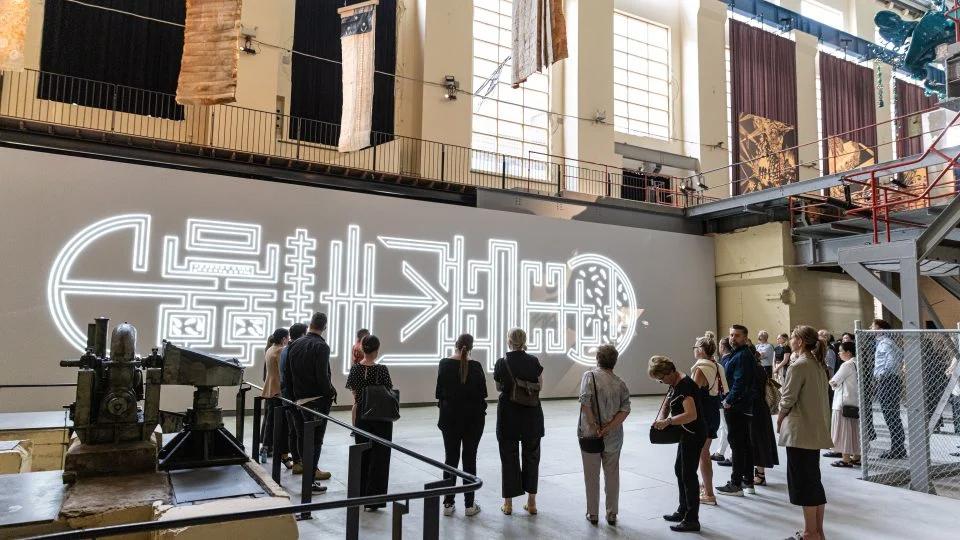
If one venue is likely to define the mood of this Biennale, it is White Bay Power Station. Industrial spaces can sometimes swallow art whole, but they can also do the opposite and give it a strange voltage. White Bay has the kind of scale and texture that changes how people move and how they pay attention. It is the site of Lights On, the official programme describes it as the biggest celebration of art and music in 2026. That is a bold phrase, but the intent is clear. This is not being presented as a formal launch with a bit of polite applause and a quick exit. It is being built as a proper opening-night experience, the first chance to encounter the exhibition while live music and performance move through the power station around you.
The line-up for that opening already gives a sense of how the Biennale wants to meet its audience. The official event page names performers including Hand to Earth, DJ Haram and Niecy Blues, with the music programme described as a response to the curatorial frame of Rememory. That is a smart approach. Too many art festivals treat music and performance as decoration around the edges. Here, they appear woven into the same imaginative space as the visual art itself. It suggests a Biennale that understands something simple but important: people do not only think their way into art. They hear it, feel it, carry it physically, and sometimes arrive at understanding through atmosphere first. That is often what makes a major exhibition memorable. Not the amount of information on a wall label, but the feeling of being fully inside something.
Highlights to Watch
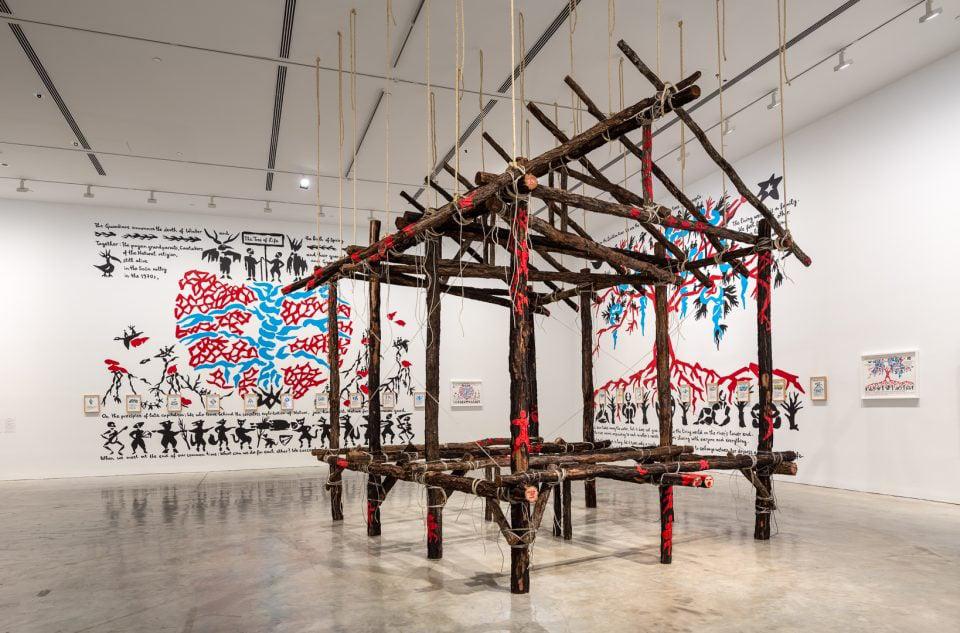
That feeling becomes even clearer when you look at some of the announced works. At White Bay Power Station, Nikesha Breeze presents Living Histories, an immersive installation shaped by archival reclamation and testimony connected to enslaved African Americans. Also at White Bay, Nancy Yukuwal McDinny is presenting her largest work to date. At the Art Gallery of New South Wales, the great Ngurrara Canvas II will have its final presentation away from the artists’ country, with no future plans for it to travel again. The official programme describes it as an 80 square metre floor canvas, made in 1997 for the National Native Title Tribunal to demonstrate Ngurrara people’s connection to the country. That is not just another highlight to tick off. It is the kind of work that carries both artistic power and historical consequence, and its inclusion gives the whole Biennale a deeper anchor.
How the Biennale Reflects Contemporary Art Now
There is also a strong sense that the 2026 edition understands where contemporary art is right now. The old idea of art as something you stand in front of and decode quietly is no longer enough on its own. Audiences increasingly respond to work that surrounds them, moves through time, uses sound, asks for participation, or creates a space rather than simply occupying one. The Biennale’s programme reflects that shift beautifully. Alongside painting, sculpture and installation, there are performance works, sculptural sound installations, moving image pieces and live activations. This does not feel like technology for the sake of showing off. It feels like artists choosing the form that best carries the emotional and historical weight of what they need to say. That difference is everything. When the method serves the memory rather than distracting from it, the work stays with you longer.
Food, Gathering and the Human Side of Rememory
Some of the most human moments in this Biennale may arrive through food and gathering rather than through spectacle. One of the standout projects comes from Argentinian artist Gabriel Chaile, who is presenting a monumental adobe clay sculptural oven at White Bay Power Station. According to the official programme, it will be activated during opening weekend and at other key moments to feed registered visitors in collaboration with Sydney’s Andina Peruvian Cuisine. There is something brilliant about that. Food is one of the most immediate ways memory travels. It carries home, migration, kinship, ritual and longing without needing to explain itself. The same public programme also includes Mounira Al Solh’s community-based performance in Granville built around a large vat of tabbouleh, exploring gathering, rhythm and food rituals. Suddenly the curatorial theme feels less abstract. Memory becomes something you can share at a table, smell in the air, or recognise in the act of being fed.
Why This Edition Could Resonate Beyond the Usual Art Crowd
That grounding in lived experience is one of the reasons this edition feels so promising. The Biennale’s own framing says Rememory will highlight marginalised narratives, untold stories, and the ways memory shapes identity and belonging, amplifying stories from First Nations communities and the divergent diasporas that shape Australia today. There is also a dedicated programme for children and young audiences, which feels important. A festival about remembering should not only look backwards. It should think about how stories are passed on. By building education, access and public participation into the structure of the event, the Biennale gives itself a better chance of resonating beyond the usual arts crowd. It becomes something closer to a public conversation than a specialist display.
Why US Visitors Should Pay Attention
For readers in the United States, that may be the strongest reason to pay attention. Sydney is often imagined through a limited set of images, harbour views, famous landmarks, a bright outdoor lifestyle. The Biennale offers a fuller portrait of the city. Not just scenic, but intellectually alive. Not just beautiful, but layered. The expanded reach into Western Sydney and additional venues across Greater Sydney means visitors are being invited into a broader cultural map, one shaped by institutions, local communities, migrant histories, First Nations storytelling, and a willingness to let contemporary art meet people where they are. That kind of ambition is not always easy to pull off, but when it works, the result feels electric. The city stops being a backdrop and becomes part of the work’s meaning.
The Real Promise of the 2026 Biennale
Perhaps that is the real promise of the 25th Biennale of Sydney. Not simply that it will be large, international and free, though all of those things are true. Not simply that it will bring together major artists in striking venues, though that is true as well. Its real promise is that it might leave people with a sharper sense of how art lives in the world, not apart from it but inside history, community and ordinary human feeling. The best festivals do not end when you walk out of a building. They continue in conversation, in memory, in the way you notice a city differently afterwards. If Rememoryachieves what its title suggests, Sydney in 2026 will not just host an exhibition season. It will create one of those rare cultural moments that feel worth carrying home.