
Le Mans, The Race That Endures
21 April 2026Written by Sebastian Hoppe
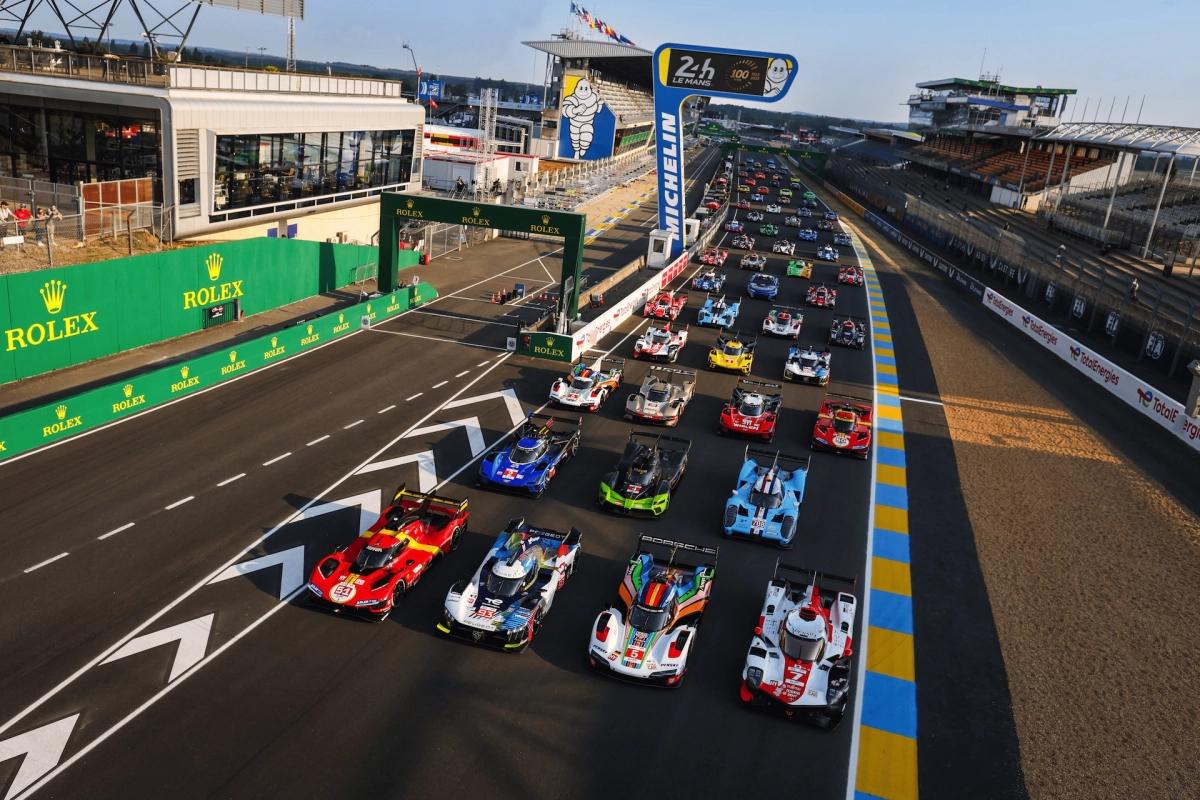
There are races that fill a weekend, and then there is Le Mans. It does not simply arrive on the calendar and disappear again. It hangs in the air long before the first lap and lingers long after the chequered flag. The 2026 24 Hours of Le Mans forms part of a full event week running from 10th to 14th June, with the race itself taking place across 13th and 14th June.
It will be the 94th running of a competition first held in 1923, and that alone explains part of its pull. Some sporting events grow famous because they are loud. Le Mans became famous because it is difficult, relentless and impossible to bluff your way through.
Why Le Mans Is More Than a Race
What makes Le Mans so special is that it demands almost everything a racing team can give. Speed matters, of course, but only as one piece of a much larger test. A driver can be brilliant for a few laps almost anywhere. To be brilliant through traffic, darkness, fatigue, changing temperatures and the endless rhythm of pit stops is something else entirely.
This race asks drivers to push, then think, then push again, all while sharing the car and trusting the people around them. That is why Le Mans feels different from a straight sprint to the finish. It is a race built on judgement as much as courage, and on patience as much as outright pace.
The Circuit de la Sarthe and Its Lasting Character
The setting has a lot to do with the atmosphere too. The race is held at the Circuit de la Sarthe, a layout of 13.63 kilometres near Le Mans in western France. Its character comes from the fact that it does not feel like a sealed-off modern bowl built only for television. The circuit is long, fast and storied, with sections that have become part of racing folklore.
It has the kind of shape and scale that make a car look small and a mistake feel enormous. That is one reason Le Mans still captures the imagination so easily. The place itself seems to carry memory. Drivers are not simply racing a lap time there, they are stepping into a route that has tested generations before them.
A Race Built Around Innovation
Le Mans also matters because of what it was created to do. The race was designed to encourage technical innovation and push the motor industry forward, and that purpose still shows. Over the years, the event has been linked with genuine advances, from tyre development to hybrid technology, a reminder of how closely endurance racing sits beside the wider evolution of 2026 luxury cars.
That gives the whole occasion a different weight. It is not just a glamorous endurance race with a famous name. It is also a proving ground. Manufacturers do not come merely to admire themselves on the grid. They come because success here means something deeper. If a machine can survive and excel across twenty-four hard hours at Le Mans, that achievement carries a special kind of credibility.
The Drivers Who Define Le Mans
That history is full of extraordinary people. The race has produced its own legends because winning here never feels routine. Tom Kristensen remains the standout figure with nine Le Mans victories, a record that still towers over the event’s modern history.
Yet what makes Le Mans heroes memorable is not only the number beside their names. It is the way they won, by balancing aggression with restraint and pace with survival. Famous race car drivers have always been drawn to Le Mans because it reveals more than raw talent. It exposes character. A driver who wins here has shown not only speed, but composure, discipline and the ability to stay sharp when the race is at its most punishing.
The 2026 Grid and Modern Manufacturer Battle
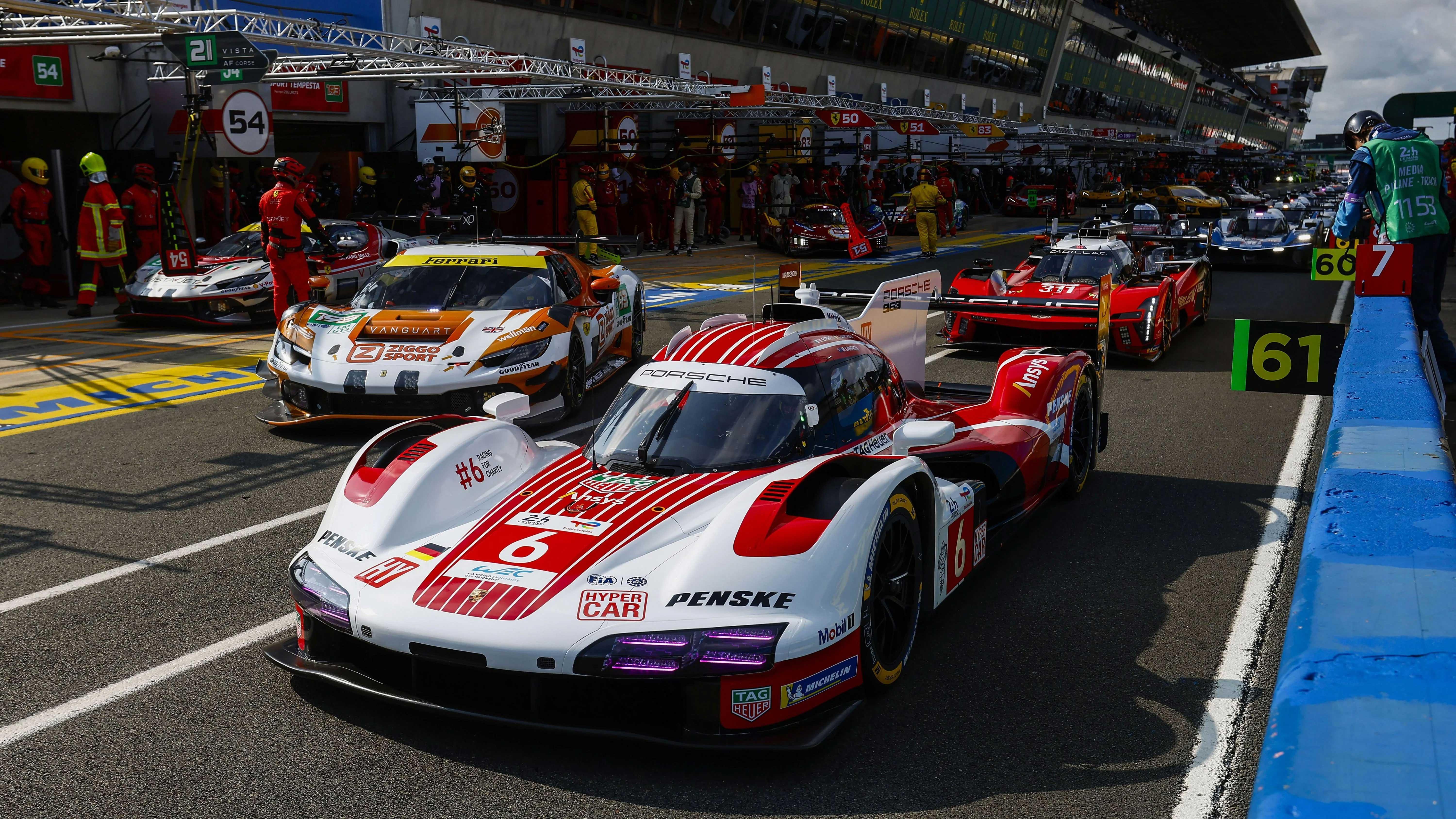
The modern field keeps that feeling alive. The official 2026 entry information points to a 62-car provisional grid, with 18 Hypercars, 19 LMP2 entries and a packed GT field. The main event page also highlights major Hypercar manufacturers including Aston Martin, Alpine, BMW, Cadillac, Ferrari, Genesis, Peugeot and Toyota. That is a serious line-up, and it tells you a lot about where endurance racing stands now. Le Mans is not living on nostalgia. It is still connected to the same performance culture that makes the world’s top supercars so compelling.
It is attracting top-level manufacturers that see real value in being there. The mix of classes also gives the race its constant sense of motion. Even when the overall lead appears settled for a moment, something intense is usually happening somewhere else on track.
Why Multi-Class Racing Gives Le Mans Its Texture
That multi-class element is one of the race’s great strengths. Le Mans is never quiet in the way a single-category race can sometimes become. There is always traffic to judge, strategy to read, and a different battle developing in another corner of the order. It gives the race texture.
It also makes the event easier to become emotionally attached to, because you do not need to focus only on the winner outright. Some people follow the front of the field. Others get drawn to the GT fight, the underdog entry, or the team trying to survive a difficult night. By sunrise, everyone usually has a story they have started caring about, whether they expected to or not.
Race Week and the Atmosphere in Le Mans
If you attend in person, that storytelling begins before the race itself. The official programme points to scrutineering in downtown Le Mans as a public prelude to race week, where the cars are inspected in the heart of the city. That may sound like a technical process, but in reality it helps set the tone beautifully.
It brings the event out of the circuit and into everyday streets, which is part of why Le Mans feels more rooted than many major races. The town does not merely host it from a polite distance. It lives with it. For visitors, that matters. You are not just turning up for one start and one finish. You are stepping into a place that already feels shaped by the race.
How to Follow the Race from Home
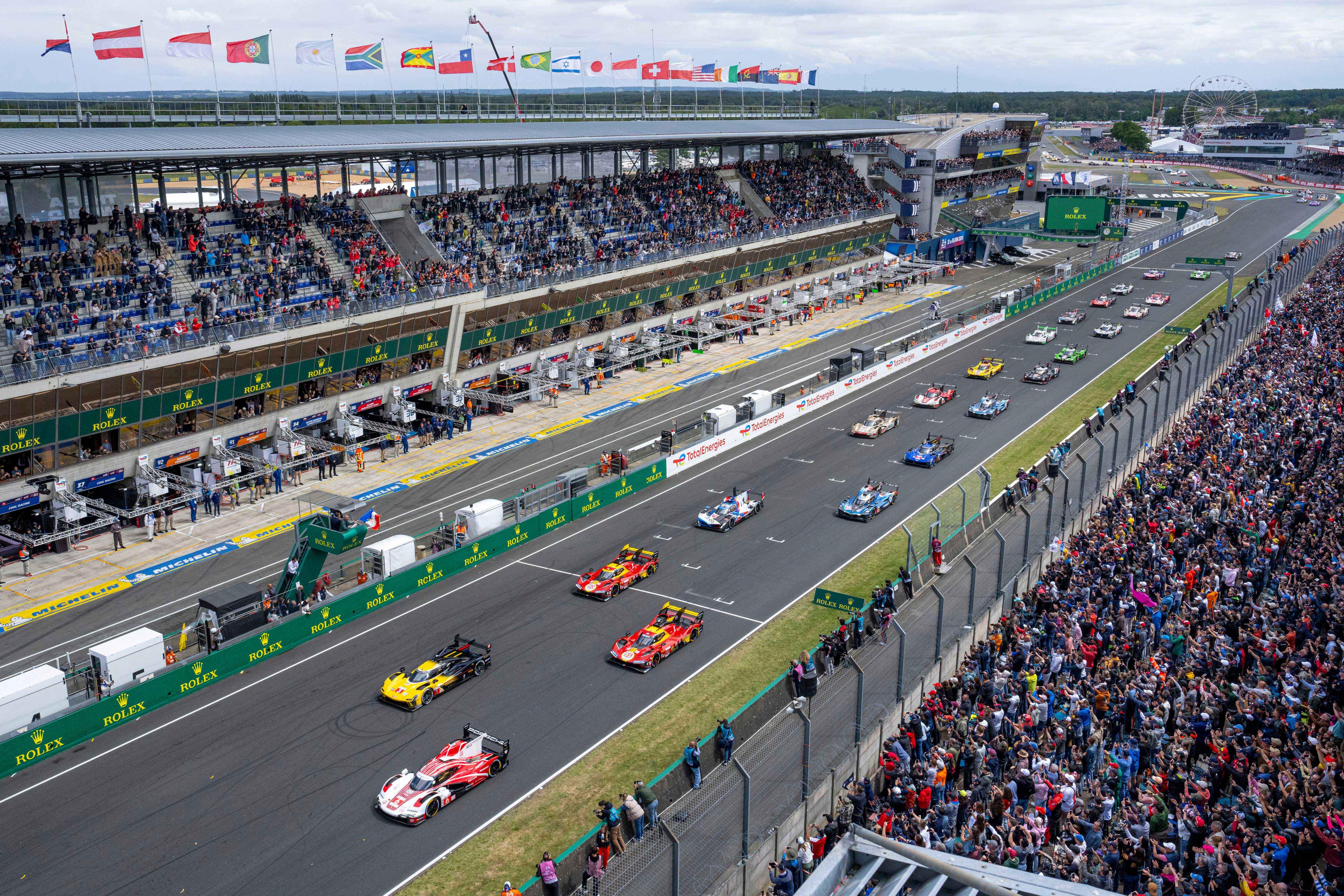
Watching from home has become easier than it once was, but Le Mans still rewards a slower kind of attention. The organisers point fans towards official live timing and FIA WEC TV, which offers live coverage, onboard cameras, commentary and replays. That means you can follow the race in considerable depth, yet Le Mans resists being reduced to a quick highlight reel.
To really understand it, you need to let the hours pass. The character of the race changes constantly. Mid-afternoon feels one way, dusk another. Midnight can seem almost unreal, with headlights slicing through the dark and strategy quietly reshaping the order. Dawn then brings a second wind, and often a second story. It is a race best absorbed rather than skimmed.
Heritage Classic Cars and Motorsport Memory
There is also a strong sense of heritage around Le Mans that extends beyond the current grid. The event’s long life has made it a natural home for classic car racing culture, historic memory and motorsport memorabilia. Posters, programmes, photographs, model cars and team gear feel more meaningful when attached to a race with this kind of depth behind it.
That is because Le Mans has always been about more than the result sheet. It has produced moments, machines and names that stay with people. Some races are famous in the moment and then begin to fade. Le Mans tends to do the opposite. The longer you sit with its history, the larger it seems to become.
Why Le Mans Still Looks Forward
For all that heritage, though, Le Mans does not feel trapped in the past. That may be its most compelling quality. The race remains deeply respectful of its own story, yet it continues to look ahead through new technology, new manufacturers and new ways of following the event. It can celebrate what has come before while still feeling relevant in the present.
That balance is not easy to achieve. Plenty of historic events become so obsessed with their own legend that they stop moving. Le Mans has managed to avoid that. It still feels alive, and alive in the right way, by asking fresh questions of modern teams while keeping the old challenge intact.
Why the 2026 24 Hours of Le Mans Matters
That is ultimately why Le Mans still matters. It matters because the race remains hard in an era that often prefers things polished and simplified. It matters because it still tests engineering honestly. It matters because the drivers who succeed there do not merely look quick, they prove they can endure. And it matters because, even after more than a century of history, the event still knows how to feel immediate.
On 13th and 14th June 2026, the 24 Hours of Le Mans will once again do what it has always done best, turn speed into strain, strain into drama, and drama into memory. That is not just a sporting tradition. It is the reason this race continues to feel unlike anything else.