
Global Rate Ripple: Fed Cuts Spark Swift Move by UAE Central Bank
22 January 2026Written by Raymond Williams
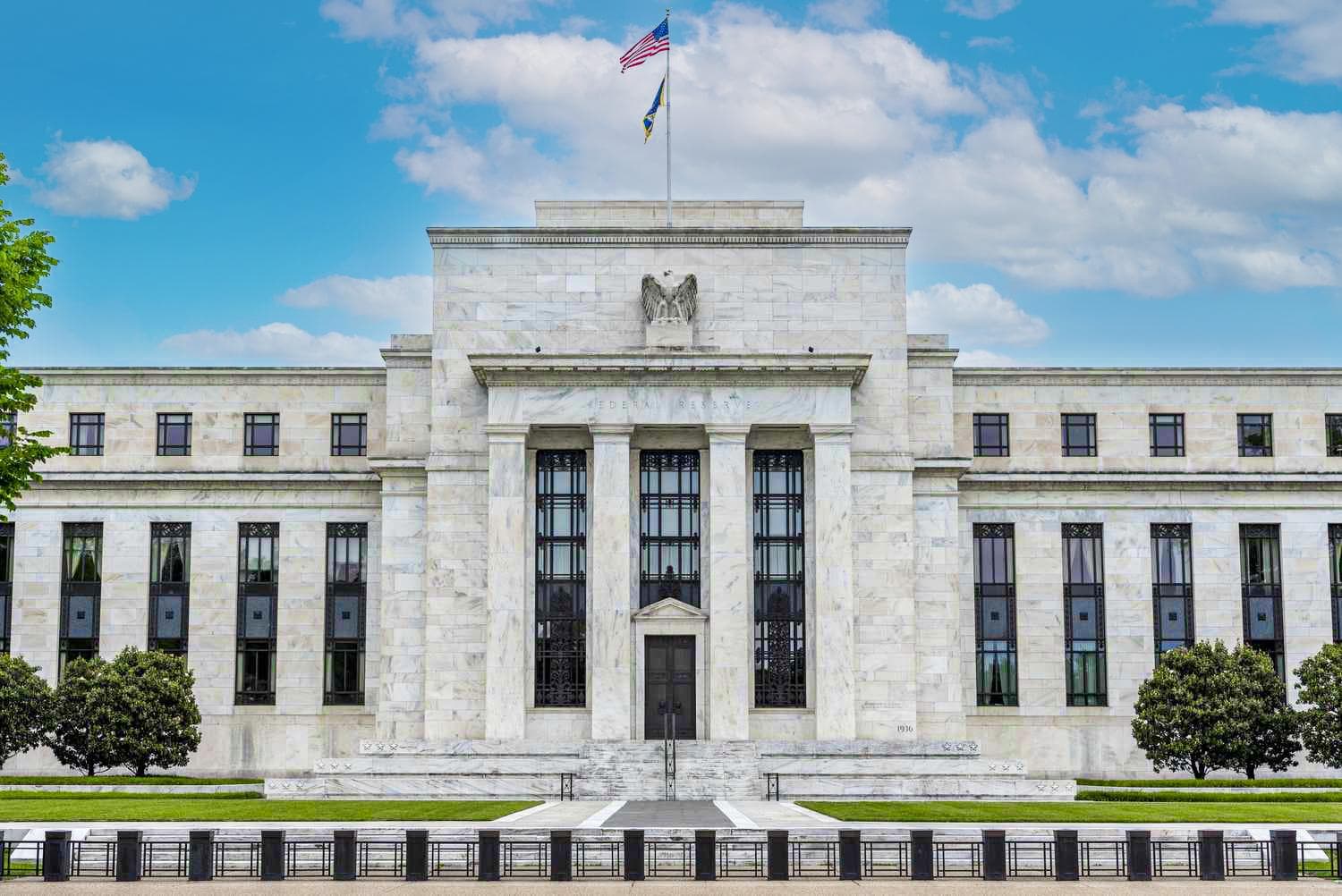
A global policy domino effect unfolded this week as the US Federal Reserve cut rates, prompting the UAE Central Bank to adjust its own ODF Base Rate. On paper it looks like a few numbers shifting after a committee meeting. In reality it affects your mortgage payments, the return on your savings, the value of your Dubai real estate investments and even the speed at which new jobs are created across the Emirates It is one of those quiet moments that does not trend on social media but shapes the year ahead.
To understand why the world watched the Federal Reserve so closely, you have to remember where we are coming from. Over the last couple of years central banks pushed interest rates sharply higher to fight inflation. That battle cooled parts of the global economy, from housing to manufacturing. As price pressures started to ease, the conversation slowly turned from “how high will rates go” to “when will rate cuts begin.” This latest move is part of that long awaited turning point, and because the dirham is fixed to the dollar, the UAE is standing right in the front row.
Interest rate cuts are supposed to act like a gentle accelerator. When borrowing becomes cheaper, households find it easier to finance homes and cars, businesses feel more confident investing in new projects and governments can support infrastructure without watching interest costs spiral. For the United States, the Federal Reserve is trying to walk a narrow path. It wants to support growth and employment without letting inflation flare up again. One small cut rarely changes everything, but it sends a strong signal about where policy is heading.
The UAE Central Bank does not have the same freedom to move independently because of the dollar peg, but that does not mean its decisions are automatic. By adjusting the ODF Base Rate, the Central Bank sets the floor for what banks earn on their overnight deposits. Move that number, even slightly, and the cost of money in the local system shifts. Over time this filters into what commercial banks charge on variable rate loans, how they price new deposits and how they assess risk when lending to different parts of the economy.
Economic indicators are already reacting to this new phase. Globally, investors are watching inflation readings, wage growth, consumer confidence and manufacturing surveys for clues about how far the rate cutting cycle will go. In the United States, softer inflation and a cooling but still healthy jobs market have given the Fed room to loosen its stance. In the UAE, inflation has generally been more contained, with strong non-oil growth in sectors such as tourism, logistics, finance and real estate, supported by established neighbourhoods such as Emirates Living where end user demand has stayed consistently strong. These economic indicators help central banks judge whether they are moving too quickly, too slowly or just enough.
Financial stability sits in the background of every discussion about interest rate cuts. Cheaper money can encourage people to take on more debt or push investors to stretch for higher returns in riskier assets. If that appetite is not managed carefully, it can build pockets of vulnerability, especially in property markets and highly leveraged companies. The good news for the UAE is that regulators have spent years strengthening capital requirements for banks, improving supervision and encouraging more conservative lending standards. That work matters now because it provides a cushion if global conditions become choppier.
Of course, markets rarely move in straight lines. The moment a central bank suggests that more cuts might be coming, traders try to price them in, and that can make asset prices swing sharply. Bonds, equities and currencies can all react within minutes. For ordinary people this market volatility can be confusing and stressful, especially if you check your investment app every day. The healthier approach is to recognise that volatility is part of investing, not a sign that everything is broken, and to focus more on long term goals than on day to day noise.

That is where investment strategies come into the story. In a world of falling rates, leaving large sums in simple savings accounts becomes less attractive because the interest you earn can sink below inflation. Some investors respond by shifting their asset allocation, adding a mix of high quality bonds, dividend paying shares and real assets that can offer a combination of income and growth. Others use this moment to review their financial plans, paying down expensive debt first before chasing higher returns elsewhere. There is no single perfect answer, but there is one clear rule: the strategy should match your time horizon and your tolerance for risk.
Lower US interest rates can also breathe fresh life into emerging markets. When safe assets in developed countries offer less yield, global investors start looking for economies with solid growth stories and improving fundamentals. The UAE often stands out in that search. It offers political stability, a predictable currency, ambitious long term development plans and a role as a hub between East and West. For international investors, that combination makes the Emirates an attractive place to deploy capital, from equities and bonds to direct investment in businesses and property, particularly for those investing in luxury property in Downtown Dubai as part of a long term wealth plan.
Zooming back into the UAE’s financial landscape, the ODF Base Rate is like the hidden metronome of the banking system. Banks and large institutions pay close attention to it because it influences how they manage liquidity from one day to the next. A well calibrated rate helps keep money flowing smoothly between institutions, which in turn supports healthy lending to households and companies. When that mechanism works properly you do not notice it at all. You simply experience a system where payments clear on time, credit is available at reasonable prices and confidence stays intact.
For everyday life in the Emirates, the impact of these moves will appear gradually. Some residents on variable rate mortgages may see their monthly payments ease over the coming months. Businesses renewing credit lines or financing new equipment may be quoted slightly better terms. At the same time, savers could notice that promotional deposit rates are not as generous as they were at the peak of the tightening cycle. The balance between borrowers and savers shifts a little with every policy adjustment, which is why it is important to keep an eye on how your own finances are positioned.
Looking ahead, much will depend on how the data evolves. If inflation continues to trend lower and growth remains steady, central banks may feel comfortable delivering further interest rate cuts. If price pressures surprise on the upside or growth stalls, they may pause to avoid creating new problems. For decision makers in the UAE, the challenge will be to stay aligned with the global cycle while still responding to local realities, from housing demand to business confidence and long term investment needs.
The bigger picture is that we are living through a new chapter in the post pandemic economy. The emergency stimulus phase has long ended, the aggressive tightening cycle is easing and a more balanced, data driven approach is taking shape. For people living and investing in the UAE, the smartest response is not to guess the exact month of the next move, but to build a financial life that is flexible enough to handle surprises.
For investors who want help translating these global rate moves into real decisions on the ground, LuxuryProperty.com can provide the kind of practical, market based guidance that links big policy shifts to specific opportunities in the UAE’s evolving real estate landscape. In the end, when central banks move together, it is a reminder that money is global, even if our daily lives feel very local. A decision in Washington can ripple through to a shop in Deira or a start up in Abu Dhabi. By paying attention to these shifts, understanding the logic behind them and adjusting calmly, you turn a distant policy headline into a useful guide for your own choices rather than a source of anxiety.