 Back
Back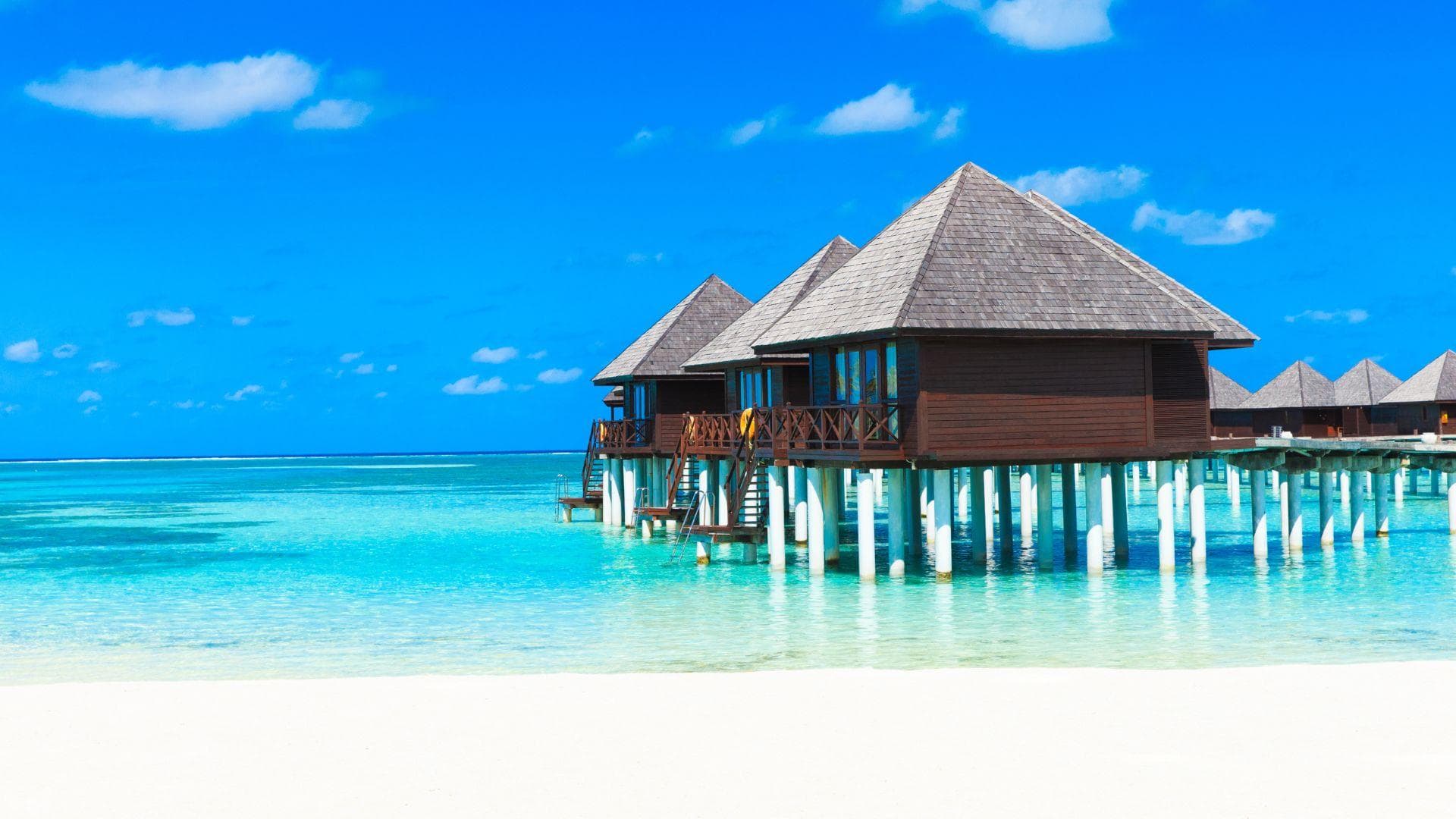
Whether it is a quick reset, a family break, or a honeymoon you will remember for years, the Maldives slots neatly into a Dubai routine. You finish a week at work, pack light, and a few hours later you are stepping off a plane into warm island air. Think of this as a simple, honest guide from Dubai to Maldives, the sort of run through a well travelled friend would give you. If you are still deciding whether you want far away islands or something closer, these effortless UAE travel destinations are a good quick comparison.
How to get to the Maldives
You will fly into Malé at Velana International Airport which is listed as MLE when you book. Your resort usually arranges the final hop, either by speedboat if the island is in a nearby atoll or by seaplane if it is further out. Transfers are timed around international flights, so share your itinerary as soon as you have it. If your flight lands later in the afternoon it often makes sense to pick a resort reachable by speedboat or to plan a first night near Malé so you are not racing for the last seaplane.
Dubai to Maldives flights
Direct flights from Dubai usually take around four hours and there are more options in the busier winter months in Dubai. If you can, aim to arrive in Malé before early afternoon so the seaplane schedule works in your favour. Many return flights leave from late morning to mid afternoon which gives you time for an easy breakfast and one last walk along the jetty. If you are bringing a dive bag or surfboard, double check allowances because seaplanes work with small holds and stricter weight limits than the international leg.
Visa requirements
Most visitors receive a visa on arrival for around thirty days, but it is still worth doing a quick check a week before you travel in case any rules have shifted. In general you will need a passport with six months of validity, a confirmed resort or hotel booking, and a return or onward ticket. Health or travel forms sometimes change, so it is always better to confirm before than to guess.
Best time to visit the Maldives
The Maldives is a year round destination, but the feel of your trip changes slightly with the seasons. From November to April the weather is usually drier and brighter with long sunny spells and calmer seas. From May to October you will still get plenty of blue sky, but it is often breezier with short tropical showers that sweep through and clear. Sea temperatures stay warm all year so you can swim, dive, and snorkel in any month.
Late December through March is the most popular window. This is when resorts book up early, especially over festive weeks and school holidays, and prices are at their highest. If you are flexible, the shoulder months like late April, early May, October, and early November often feel like a sweet spot with pleasant weather and better offers. Many Dubai based travellers plan trips around mid term breaks and Eid holidays, so if you prefer quieter islands it helps to look just outside those dates.

Money and costs
The local currency is Maldivian rufiyaa but United States dollars are widely accepted in resorts. Most bills carry a service charge and tax, so keep that in mind when you glance at menus. Tipping is not strictly required, yet it is appreciated by staff who go out of their way to help you.
Packing essentials
Packing for the Maldives is simple once you stop overthinking outfits. Reef safe sunscreen really matters here and a long sleeve rash vest or light shirt will save your skin during long snorkel sessions. Water shoes are handy if your island has a slightly rocky shore, and a small dry bag keeps phones and cameras safe on boat rides. Most resorts use British style three pin plugs but bringing a universal adapter is still sensible. If you wear prescription lenses and plan to snorkel a lot, pack a mask that suits your eyes rather than hoping to find one on arrival.
Local etiquette
Resort islands are relaxed about swimwear around pools and beaches, although it still feels right to throw on a cover up at breakfast or in the lobby. Local islands are more conservative and you will be expected to dress modestly away from marked bikini beaches. Alcohol is only served in resorts and designated liveaboard boats, not on local ferries or public islands. Fridays are centred around prayers which can mean quieter schedules, and many islands restrict drones for privacy reasons, so always ask before you fly anything.
What to do in the Maldives
Water is the main event, but you can choose how active or lazy you want to be. Many islands have good snorkelling right off the beach or the water villa decks, especially if the house reef lies close in. Guided trips take you to outer reefs for a better chance of seeing turtles, reef sharks, mantas in Baa and Ari Atolls, and in the right season whale sharks. Non motorised sports like kayaking and stand up paddle boarding are often complimentary, and you can add sailing lessons, jet skis, or a PADI course if you are ready to learn to dive properly.
If you like to understand the place beyond the resort, give yourself a few hours in Malé or on a nearby local island at the start or end of the trip. You can wander through markets, step into historic mosques in modest dress, and pause at small cafés where the pace is slower than in most capitals.

Romantic moments
For couples, the Maldives is almost unfairly good. Think sunset cruises on a traditional dhoni, dinners on quiet sandbanks, or an outdoor cinema set up on the beach with bare feet in the sand. Many resorts have couples spa suites where treatments end with a private plunge or time in a jacuzzi with a view. If you are celebrating a honeymoon or an anniversary, tell your resort team early; they are usually very good at relaxed, thoughtful surprises.
Some travellers reach a point where they are not just visiting for a week. They start wondering what it would feel like to have a place they can return to, or a lifestyle investment that earns while they are back in Dubai. If that sounds like you, it helps to think about a few fundamentals before you fall in love with a view.
Look first at integrated resort communities and branded residences that already have strong management and consistent service. Waterfront positioning, reliable transfer options, and a healthy house reef are not just nice extras. Over time they become anchors of long term value. It is also worth being honest about how you will use the home. Some owners want school holiday time set aside for family trips. Others lean more towards steady rental income and are happy with occasional long weekends.
On the practical side, you will want a clear picture of ownership structure, management fees, rental programme terms, and refurbishment cycles. A transparent, well managed arrangement can make the difference between a home that quietly works in the background and one that keeps generating questions.
When you are ready to turn that warm idea of an island home into a specific plan, it helps to have someone who understands both Dubai based buyers and Maldivian property. A team like LuxuryProperty.com can help you move from daydream to shortlist, comparing resorts, access, reef quality, and expected returns in a way that still feels human. The goal is simple. Your Maldives should not just be a beautiful week away. It should be a place that feels familiar every time you step off the seaplane, even if life in Dubai has been moving at full speed.

Related Blogs: