
Beyond S26: The Rise of Smarter Flagships
25 March 2026Written by Andrew Allassani
Orange should not matter. It is just a colour. Yet one bold shade on a flagship iPhone was enough to light up conversations from cafés to carrier stores, and it proved a simple point: design still drives desire. Specs matter, of course, but the feeling of a phone, the way it looks, the way it sits in your hand, and the way it fits your life, can tip the balance faster than another line on a benchmark chart.
What Flagship Phones Need to Get Right in 2026
That is the mood going into 2026. Performance is no longer the daily worry it once was, because premium phones are already quick enough for real work, heavy apps, and long gaming sessions. Cameras are no longer a surprise either, high quality imaging is now the entry ticket. What is changing is how manufacturers try to impress you. The new flagship pitch is less about shouting the biggest number and more about delivering fewer hassles, better instincts, and a more personal sense of style. It should feel like it knows you, not marketing.
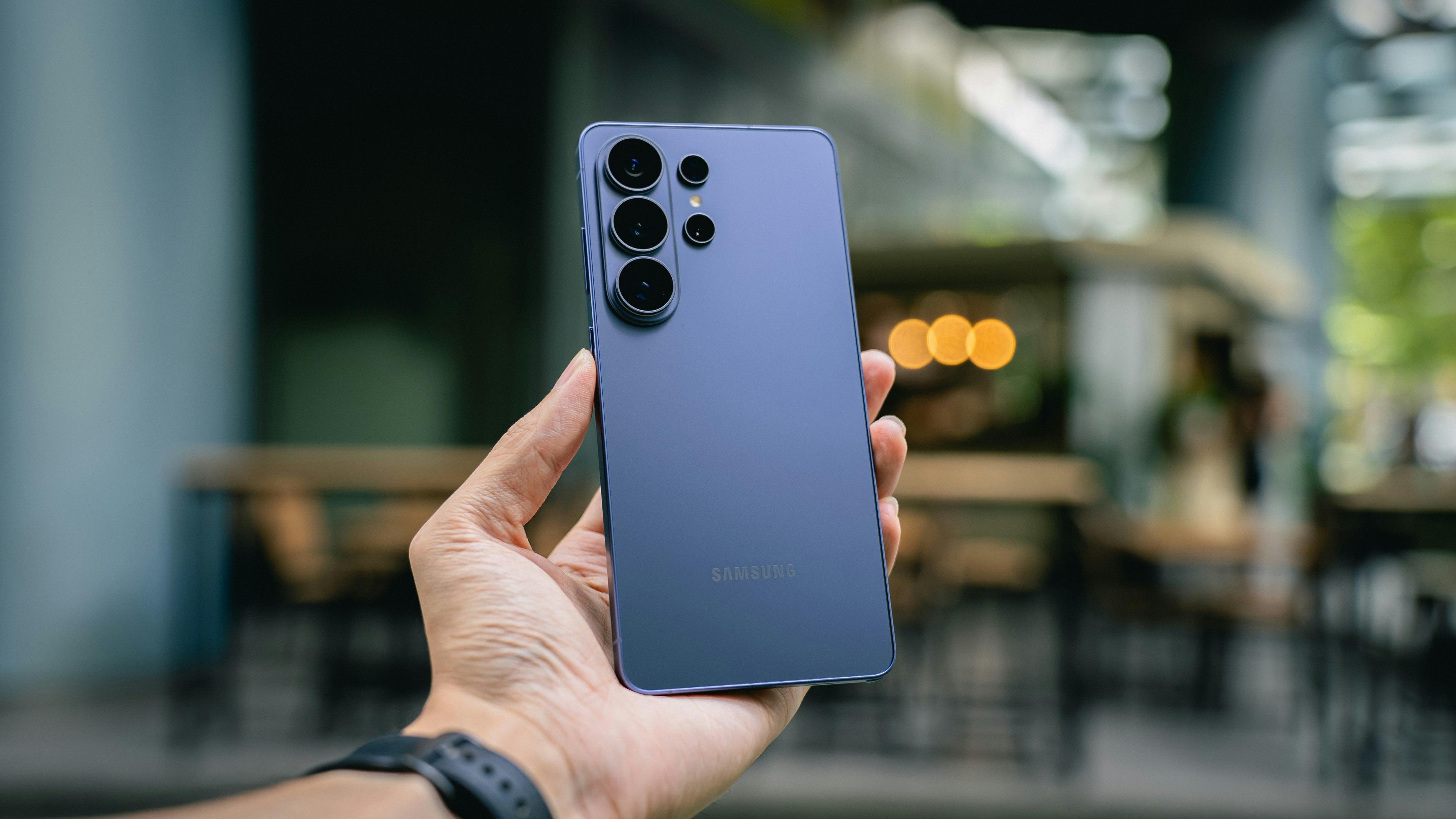
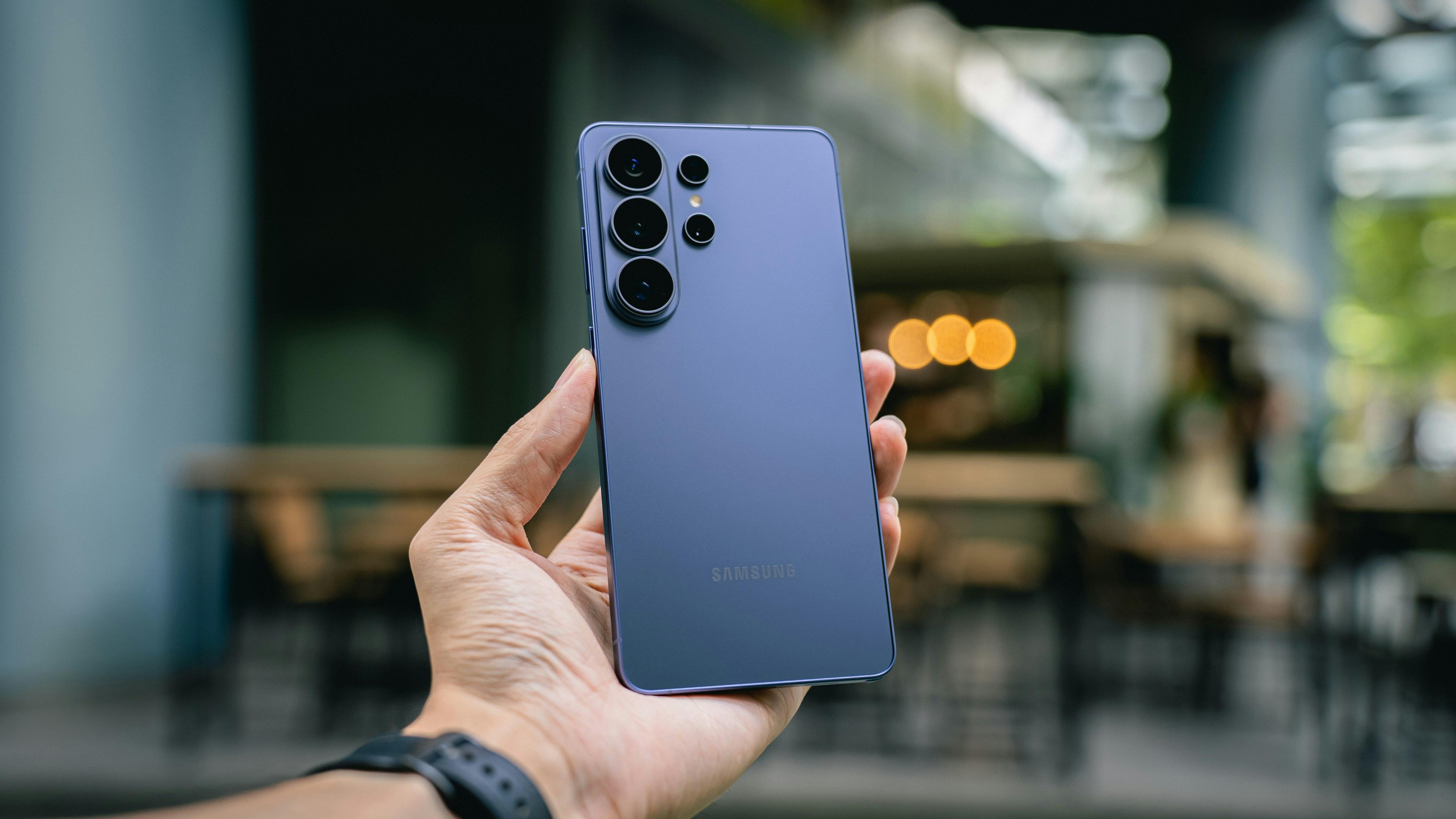
Samsung is expected to set the early pace with the Galaxy S26 series, scheduled to be unveiled on 25 February 2026. Even before that date, the themes are clear. Retail experts in the UAE have been saying that AI will define the flagship conversation this year, but they also stress that we should not underestimate design. That combination, intelligence plus aesthetics, is what people will actually pay for.
Cameras That Go Beyond Sharpness
At the top end, nobody buys a flagship hoping the camera will be decent. You expect it to be excellent. The real test is what happens when life is awkward, dim restaurants, bright windows behind your subject, moving kids, and busy streets full of distractions. That is where 2026 camera improvements are aimed, not just at making photos sharper, but at making them easier.
AI Imaging Becomes the Real Differentiator
AI driven imaging is becoming the deciding factor. Removing unwanted people from a photo, cleaning up reflections, and fixing a skewed horizon are shifting from party tricks to everyday tools. The best systems feel less like editing and more like tidying, you keep the moment, you lose the clutter.
Leaks suggest the Galaxy S26 Ultra may continue with a 200 megapixel main camera approach, but the rumoured emphasis is not on more pixels, it is on better light capture and cleaner results in tricky conditions. Some reports point to a wider aperture, often mentioned as around f/1.4, which could let in more light and give Samsung’s processing more real data to work with at night. There is also chatter around stronger zoom and supporting lenses, sometimes described as a 50 megapixel telephoto and a higher resolution ultrawide, paired with upgraded processing for sharper shots in hard lighting.
Apple’s side of the rumour world points to a similar goal, better control of light and depth, but via different methods. Early industry talk has mentioned the possibility of a variable aperture main camera in a future iPhone Pro generation, sometimes discussed in connection with iPhone 18 Pro models. Variable aperture is familiar to photographers because it can physically adjust light intake and depth of field. Apple has not confirmed this feature or a release schedule, so it belongs in the maybe column rather than confirmed plans.
Put those rumours aside and the trend remains. Flagships are chasing the perfect shot by default. You point, you tap, and the phone solves the ugly parts, backlight, noise, and distractions, without turning the picture into something plastic.
Video Gets Better Where It Counts
Video is improving in quieter, more useful ways. Resolution headlines are less important than stability, colour consistency, and audio. People film while walking, while talking, while turning to follow a moment. Better stabilisation makes footage feel calmer. Cleaner audio makes clips feel more professional. Smarter processing helps indoor video look less grainy and less yellow.
This matters because phones are now used for semi professional work, property walk throughs, interviews, short documentaries, and daily content. The flagship that nails video reliability wins trust, and trust is what keeps people loyal.
AI Stops Being a Feature and Becomes a Habit
The most important shift in 2026 is that AI stops being a button and starts being a habit. The best intelligence is subtle, which is why people respond to technology most when it removes effort instead of demanding attention. It suggests the right pass before you search. It offers a draft reply that sounds like you, not like a robot. It groups your photos in a way that matches your memory, not your file names.
Semantic Search and Daily AI Shortcuts
One example that keeps coming up is semantic photo search. Instead of scrolling for ages, you ask for “that photo of my son when he was three”, and the phone understands the person, estimates the timeframe, and finds the image. That is the kind of help that feels small until you use it, then you wonder how you lived without it.
This is also where flagships feel more personal, in a sensible way. Your device learns your routines, which apps you open at certain hours, which places you visit regularly, and which contacts you message most. The goal is not to spy, it is to save you time by predicting what you are likely to do next.
Why Software Takes Centre Stage
There is a practical reason experience is now the battlefield. Hardware upgrades still matter, but they are less dramatic year to year, and component costs and supply pressures can limit what manufacturers can do. So brands chase advantages they can control, interface, smoothness, and the intelligence layer.
In plain terms, the best flagship phone in 2026 feels like it saves you time. Less tapping. Less hunting. Less repeating yourself. More flow.
Battery Life Becomes Confidence
Battery life has become emotional because it controls freedom. People do not love batteries, they love not worrying. The trend in 2026 is better efficiency from newer processors and a return to healthier battery capacities in premium devices. The result is not a scientific score, it is a different feeling when you leave home. You stop carrying a power bank just in case. You film, navigate, message, and still have plenty left for the evening.
Fast charging is also widely expected now. A short coffee stop can give you enough power to keep going, which changes habits and removes anxiety.
Design Returns, Loud and Clear
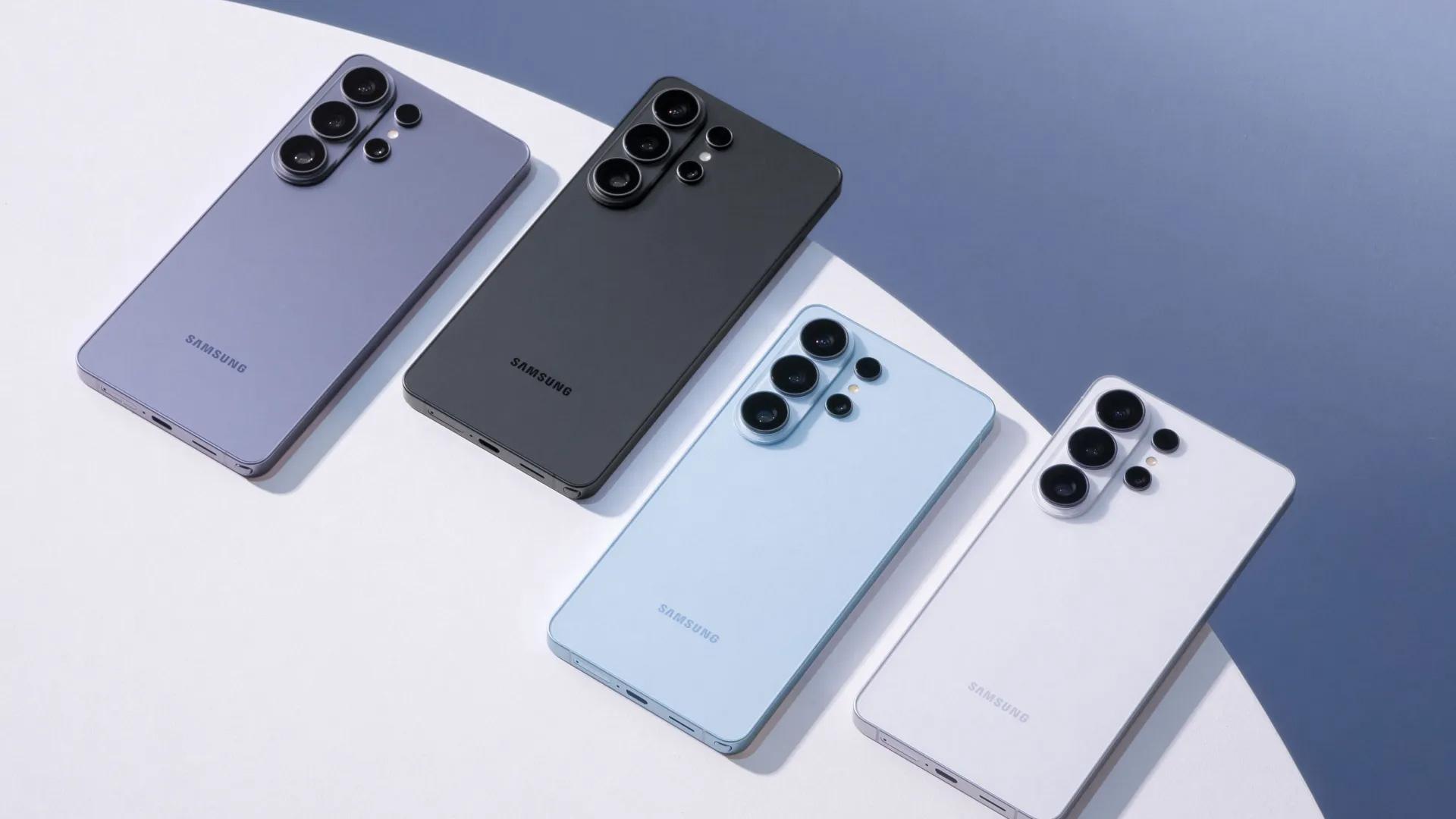
Design is back at the centre of buying decisions because it is what you touch all day, and that same instinct shows up in The Essential Designer Handbag Edit, where feel and finish matter as much as function. Slimmer builds, softer edges, better grip, and finishes that resist fingerprints can matter more than an extra percentage point of performance. Colours matter too, because they signal identity, much like the thinking behind iPhone 17 Uncovered, where design choices shape excitement before the spec sheet does. Leaks around the S26 Ultra suggest a range including black, white, blue, and purple, with talk of additional bold shades, but again, nothing is official until launch.
Form Factor, Comfort and Daily Use
Form factor matters as much as colour. If a new model feels slimmer, lighter, and easier to slip into a pocket, people upgrade for that alone. Comfort is a feature, even if it never appears on a spec sheet, just as AC Nonnegotiables shows how the best everyday products succeed by solving real-life friction quietly.
Foldables add extra excitement here too. The idea is not just a bigger screen, it is a phone that can be compact when you want it, then open into a mini workspace when you do not. Even if you never buy one, it shows the 2026 mindset, phones are trying to adapt to you.
The Annoying Bit, Ecosystems Still Friction
For all this progress, one frustration keeps showing up, the seams between apps and services. Photos in your camera roll are easy to find, but photos buried in messaging threads can feel lost. Files exist, but they live behind app rules and inconsistent integration.
This matters more now because everything else is getting smoother. When your phone can tidy a photo in seconds, it feels absurd when you cannot surface a file you know is there. The brands that reduce these daily frictions will earn loyalty in 2026, because they will be solving problems that actually waste time.
What You Really Get in 2026
Beyond the S26 series and the rest of the flagship crowd, the best phones this year share a personality. They deliver cameras that feel calm and dependable, especially in tough light. They use AI to understand what you mean, not just what you typed. They offer battery life that supports your day rather than interrupting it. They bring design back as a genuine reason to choose one model over another. And they aim to reduce friction, even if some ecosystem headaches remain.
The real shift is not that phones are becoming more powerful. They already are. The shift is that flagships are becoming more human. They ask less of you. They guess better. They help more. If 2026 stays on this path, the best upgrades will not be the ones you brag about. They will be the ones you quietly enjoy every day, because the phone simply works the way you wish it always had.