
Tallest Skyscrapers: Record Heights, Real Homes
10 February 2026Written by Hamoodash Al ameri
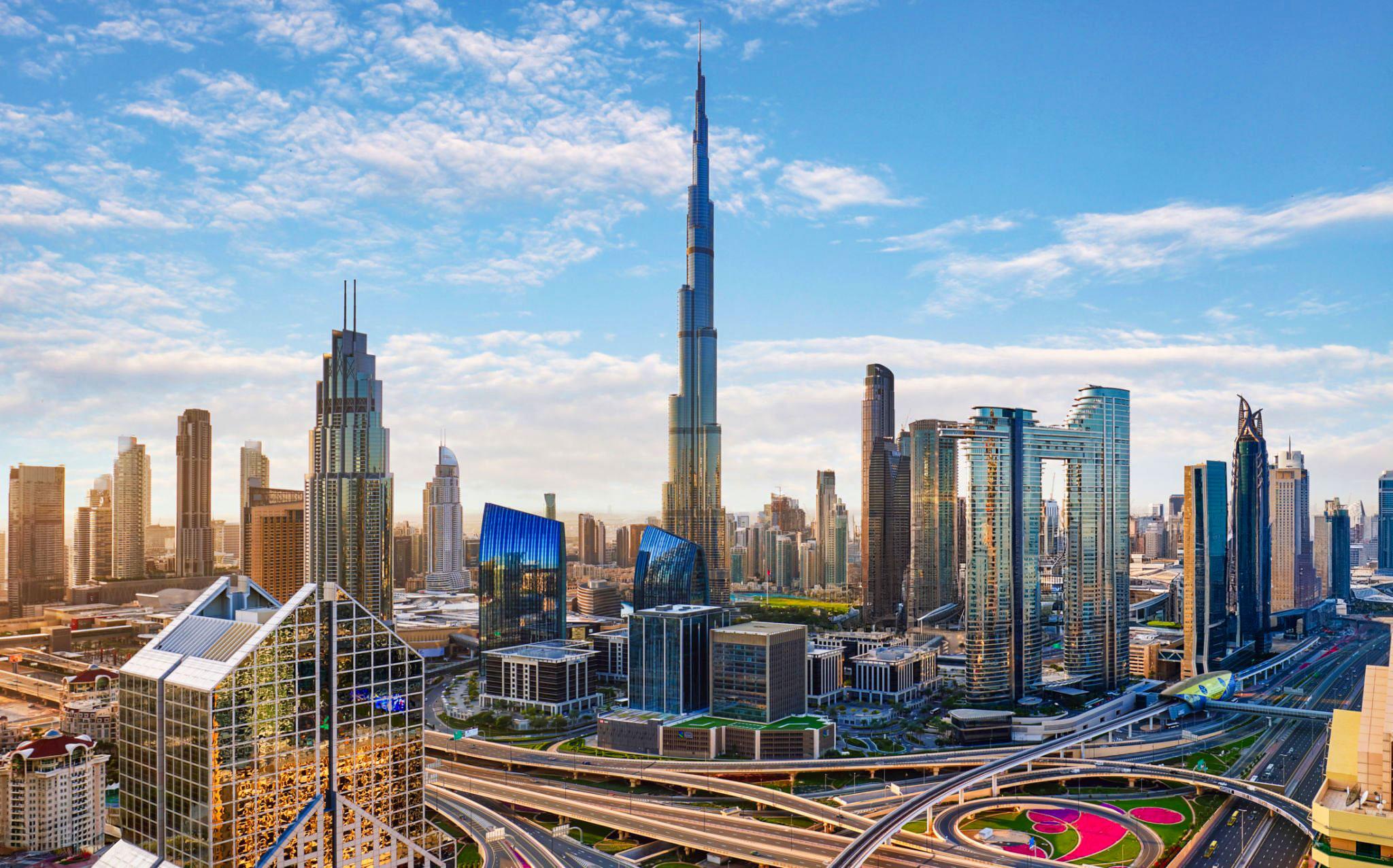
In the UAE, tall buildings are not just postcard material. They are everyday reference points, the quick glance up while you wait for a lift, the late afternoon shine that makes glass look almost liquid, the landmark you use without thinking. “Take the next exit after that tower.” No street name required.
People search Tallest Buildings and Skyscrapers for the obvious reason, it is fun. Height is a neat brag, a clean record, a number you can repeat at dinner. But the better reason is curiosity. How do these giants stay steady when the wind is pushing, how do they move thousands of people without turning the lobby into chaos, and why do some towers feel like destinations while others feel like cold boxes you want to leave quickly?
Before the names and numbers, one detail keeps rankings honest. The standard measurement used in most global lists is architectural height, which counts permanent structural features, including spires, but not antenna masts that can be added or removed. The terms you will hear a lot are supertall (300 metres and above) and megatall (600 metres and above). The megatall list is still short, which is exactly why those buildings carry that myth-like status.
Why iconic buildings matter
Skyscrapers began as practical problem-solving, dressed up with ambition. Cities grew, central land got expensive, and businesses wanted to stay close together. The invention that truly changed everything was the lift. Once people trusted a lift, height stopped being a fear and became an option. Steel frames and reinforced concrete did the rest. That is where iconic towers come in. A truly iconic building does not just fill space. It changes how people talk about a city. It becomes a shortcut in the mind. You might not know every district name, but you know the silhouette.
In the UAE, this is obvious, especially when you look at how the most iconic buildings in Dubai shape identity rather than just skylines. The skyline is not only tall, it is deliberate. It signals confidence, investment, and a very specific kind of modern identity. Still, the towers people love most are not only tall. They work. They make the area around them feel active, walkable, and alive.
Elegant by Design, Engineered for Life
Stand at the base of a supertall and you will notice it immediately, it is rarely a simple straight column. Many towers narrow as they rise. That can look elegant, but it is also physics. Wind pressure changes with height, and shaping the building can reduce sway and stress. Some towers twist to disrupt wind patterns, others step back in tiers to soften the “wall” effect at street level.
In hot climates, style has another job: comfort. A tower can be beautiful and still be miserable if its façade is poorly planned. High-performance glazing, shading strategies, and sensible cooling loads matter. In the UAE, that is not a nice-to-have, it is the difference between a building that feels calm and one that feels like it is fighting the climate all day.
Tallest skyscrapers in the world
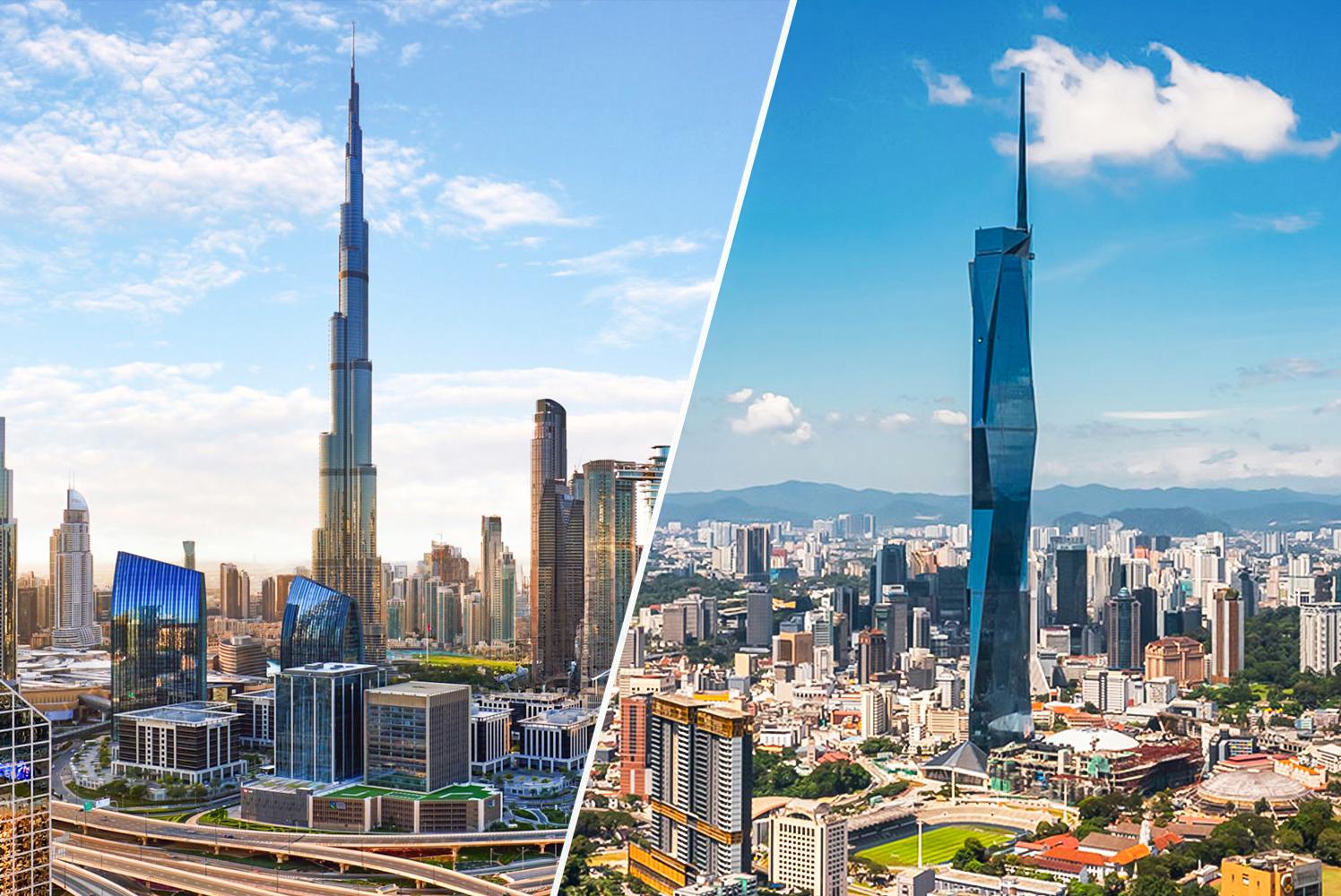
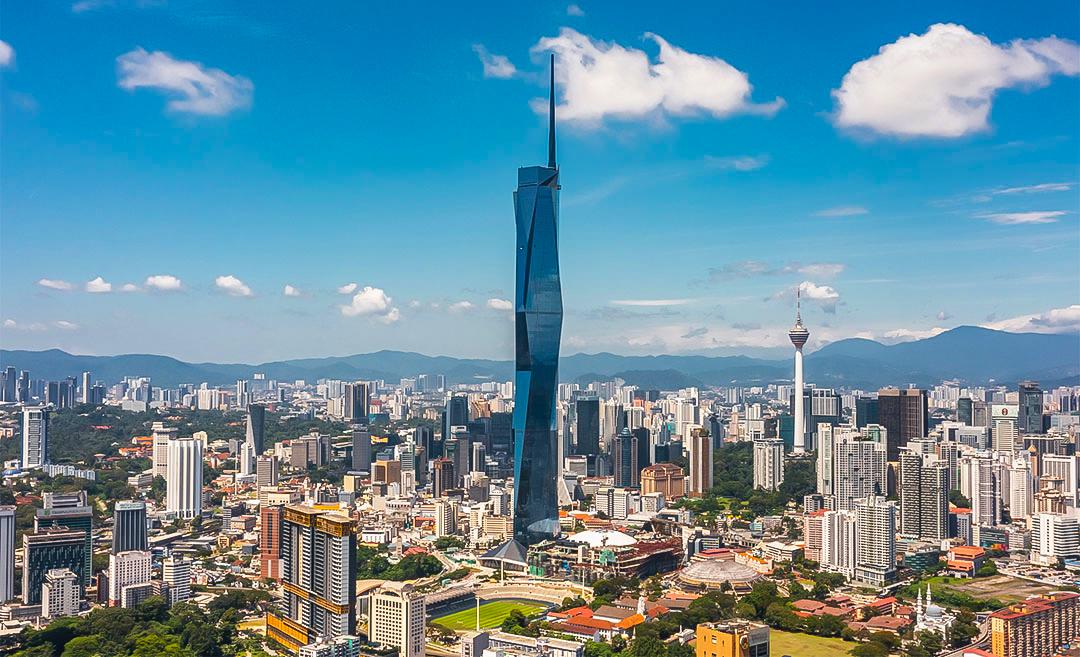
A widely recognized snapshot of the tallest completed buildings by architectural height includes the Burj Khalifa in Dubai at 828 meters (2010), Merdeka 118 in Kuala Lumpur at 678.9 meters (2023), Shanghai Tower in Shanghai at 632 meters (2015), and the Abraj Al Bait (Clock Towers) in Mecca at 601 meters (2012). Other notable supertalls are the Ping An Finance Center in Shenzhen at 599 meters (2017), Lotte World Tower in Seoul at 555 meters (2017), One World Trade Center in New York City at 541 meters (2014), the Guangzhou CTF Finance Centre in Guangzhou at 530 meters (2016), the Tianjin CTF Finance Centre in Tianjin at 530 meters (2019), and CITIC Tower in Beijing at 528 meters (2018).
Burj Khalifa has held the “tallest completed building” title for years, and you can know that fact yet still feel a small jolt when you see it from the right angle. It is not only the height, it is the way it seems to keep going, as if it ignored the sensible stopping point and got away with it. What is also interesting is how the modern tallest buildings are rarely single purpose. Many are mixed-use, blending offices, hotels, residences, observation levels, and retail. That is not just a trend, it is the logic of cost and demand. When a tower stays busy all day, not only during office hours, the economics start to make sense. At that point, a building becomes a stacked neighbourhood.
The Next Generation of Supertall Towers
The future of height is always a little messy. Projects on this scale rely on financing, approvals, engineering, logistics, and the market’s mood. Plans change, timelines stretch, and sometimes a bold idea returns in a new shape. One name that keeps coming up in any conversation about surpassing today’s ceiling is Jeddah Tower, designed to exceed 1,000 metres. Recent updates suggest work has resumed, with completion targets being discussed for the later 2020s.
Dubai will never stop proposing big ideas either, but the expectation is shifting. “Tall” alone is no longer the headline. The next generation is expected to feel better to live in, run more efficiently, and connect to the city in a way that does not leave street level feeling forgotten.
Tallest residential buildings
Residential supertalls are a different kind of challenge, because homes have less patience for inconvenience. People might tolerate a crowded lobby at work, but they do not want that on a Sunday morning with coffee in hand. A standout is Central Park Tower in New York City at 472 m (completed 2020), similar to the tallest building in Dubai Marina. New York also has extremely slender residential towers that rely on serious engineering to keep movement controlled and comfort high, including 111 West 57th Street (about 435 m) and 432 Park Avenue (about 426 m).
The appeal is not only the view. It is the privacy, the quiet lift journeys, and the sense that the building is managed properly. Amenities matter too: pools, gyms, wellness suites, lounges, workspaces, and private rooms for hosting friends. In the UAE, expectations go even further, security should feel professional, maintenance should be consistent, and the building should run smoothly rather than always being “in progress”.
Urban development projects
A tower can be impressive on its own, but it becomes truly valuable when it fits into a wider plan. That is why many skyscrapers now anchor full urban development projects rather than standing alone like a trophy. The best masterplans get the basics right at ground level: shaded routes, walkable connections, plazas that actually feel usable, active retail, and sensible access to transport. In the UAE, shade is not decoration. It is a design feature that decides whether outdoor life is comfortable for much of the year.
Mixed-use planning helps too. Residents keep areas alive after office hours. Hotels bring steady movement. Retail makes the ground floor feel human. When it is done well, a tall tower does not dominate a neighbourhood, it supports it.
Engineering Marvels in Motion
The clever parts of skyscrapers are often invisible unless you know what to look for. Lift systems are a huge one. Many tall buildings use destination control, grouping passengers by zones to reduce waiting times. Some use sky lobbies, splitting long journeys into stages to keep movement fast and reduce congestion. Then there is sway control. Tall buildings move slightly, and the higher you go, the more comfort matters. Engineers use structural systems, dampers, and careful shaping to keep that motion within levels people barely notice. The goal is simple: you should feel steady in your living room, even when the wind outside is doing something dramatic.
Sustainability is part of this story too. Efficient glazing, smarter cooling strategies, water-use planning, and building management systems can reduce operating demand. In the UAE, that links straight back to comfort, because a building that is efficient often feels calmer and more consistent day to day.
Skyline Stories
The fascination with tallest buildings is not only about numbers. It is about what a city chooses to value, what it dares to attempt, and how it turns engineering into everyday life. In the UAE, the skyline is not distant trivia. It is the backdrop to commutes, weekends, and first impressions. The next generation of towers will still chase height, but it will chase something else too: ease, comfort, and places that feel human inside, even when they sit hundreds of metres above the ground.