
Augusta 2026: The Masters Preview
27 March 2026Written by Thomas Kelly


If you have ever tried to explain the Masters to someone who does not follow golf, you end up sounding slightly dramatic, and somehow still under-selling it. Yes, it is four rounds of stroke play. But it is also theatre, tradition, nerves, and that unmistakable spring feeling where the game seems to sharpen. The 2026 Masters Tournament, golf championships held in Augusta, Georgia, United States, dates 9-12th April 2026, is set to bring that familiar buzz back to Augusta National, the sort of place where the air feels still, the crowd feels close, and the pressure feels louder than any noise.
This will be the 90th edition of the Masters, staged at Augusta National Golf Club in Augusta, Georgia, from Thursday 9 April to Sunday 12 April 2026. It is also the first men’s major of the year, which gives it a special edge. Everyone arrives with fresh hope, but Augusta has a habit of testing that hope quickly. You can be in beautiful form and still look ordinary if your ball ends up on the wrong shelf of a green.
A quick Masters overview
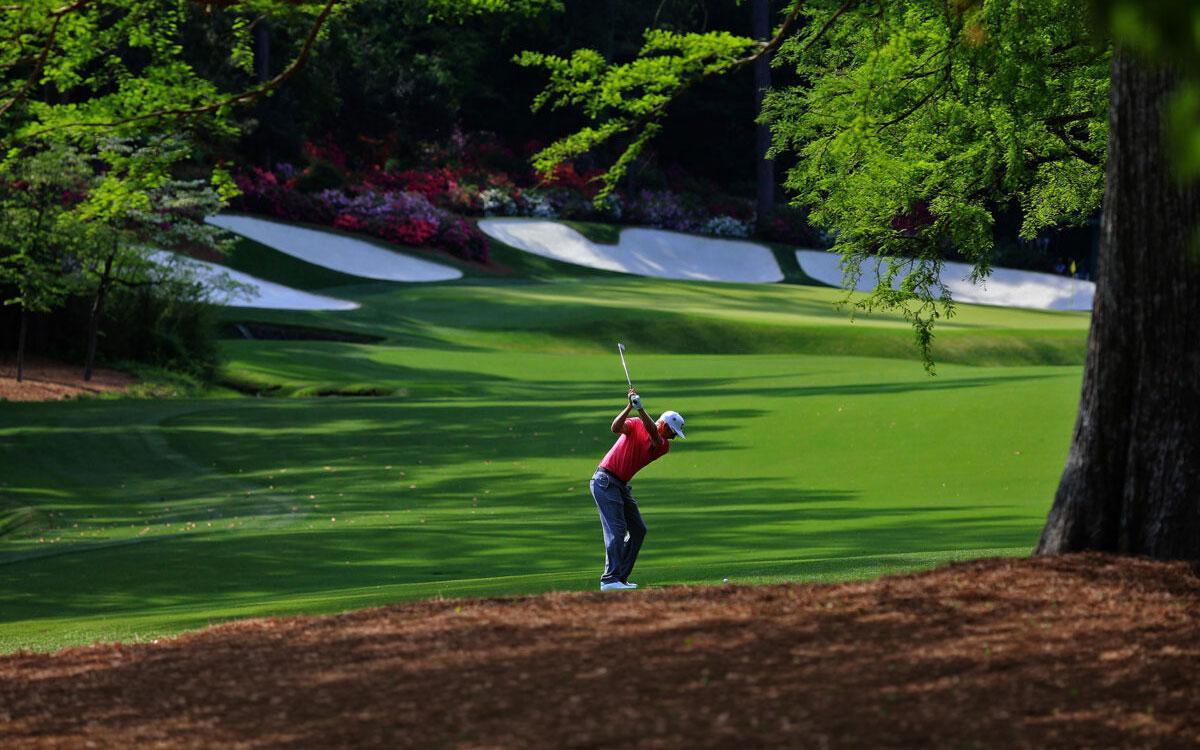
The Masters is different because it is always here. Same gates, same fairways, same slopes that turn simple-looking putts into complicated little riddles. Augusta National is a par 72 and, for 2026, is listed at 7,565 yards. That number never tells the full story. The real test is the way the course makes you think, and the way it punishes the lazy miss. At other venues you can often get away with “good enough”. Here, “good enough” can leave you in a spot where the next shot is pure survival.
The field is shaped by qualification rather than open entry, bringing together past champions, recent major winners, select tournament winners, leading amateurs, and players who have earned their place through rankings and performance. That mix is one of the reasons Masters week feels like a proper gathering of the sport, part reunion, part proving ground.
Why Augusta National decides everything
Augusta National is not only about hitting great shots, it is about choosing the right ones. Approach play matters because the greens are famously exacting. Miss in the wrong place and the ball can roll away as if it has changed its mind mid-flight. The short game becomes essential because you will miss greens even when you are playing well. Then you have to chip to tight pins with the ball wanting to release, and putt on surfaces that look smooth but tilt in ways that do not show up on television.
The other element is rhythm. Augusta can feel gentle for a stretch, then suddenly turn stern. A player can look comfortable through the front nine, then lose control of the scorecard in minutes. That is why composure is not a nice extra here, it is the main skill.
Dates, schedule, and the week’s rhythm
The tournament rounds run Thursday 9 April to Sunday 12 April 2026. Before that, the week builds through practice days, growing crowds, and a sense of anticipation that is hard to replicate in any other sport.
The Par 3 Contest, the Calm Before the Start
One of the best traditions is the Masters par 3 contest, held the day before the tournament begins. In 2026 it is scheduled for Wednesday 8 April. It is light-hearted and full of smiles, but it also sets the tone. You see players loosen up, enjoy the atmosphere, and share a different side of themselves. Then Thursday arrives and the switch flips, the smiles soften, and the focus becomes intense.
Top players to watch in 2026
Because the Masters field depends on qualification, the safest way to talk about contenders is by looking at players whose games and temperaments suit Augusta, plus those with proven major credentials. A few names sit naturally at the centre of the conversation.
Rory McIlroy defending champion energy
Rory McIlroy arrives as the defending champion after winning the 2025 Masters in a play-off against Justin Rose. That matters because defending at Augusta is its own challenge. The story is no longer “can he do it”, it becomes “can he handle the weight of doing it again”. The course can reward champions because they trust their plan and know the feelings that arrive late on Sunday. But it can also tempt them into chasing last year’s magic instead of playing the shot that is required today.
If McIlroy is at his best, you will see purposeful aggression on the par 5s, controlled iron shots into the right sections of greens, and a calmness that allows momentum to build rather than forcing it.
Scottie Scheffler, the steady Augusta fit
Scottie Scheffler has the sort of profile that tends to thrive here. Augusta often rewards players who make very few panicked decisions. It is not about never missing, it is about missing in the correct places and recovering without drama. Scheffler has already proven he can win a Masters, and that experience is invaluable when the back nine starts to feel tight.
Watch him if the scoring conditions get tricky. When Augusta bites, the player who stays patient usually climbs.
Jon Rahm, power plus fight
Jon Rahm has the strength to attack the course and the grit to hang in when it starts pushing back. Augusta can be a place where boldness wins, but only if it is paired with discipline. Rahm’s best weeks here come when he lets his power create chances without letting his emotions rush the plan.
He is also a past champion, and that matters. Winning once at Augusta proves you can handle the full psychological climb of Masters week.
Xander Schauffele, built for big moments
Some players look calm in the loudest situations. Xander Schauffele has built a reputation for being comfortable on major leaderboards, and Augusta rewards that kind of steadiness. The Masters is full of moments where one hole can change everything. Players who keep their tempo, even after a setback, are often the ones still standing with a chance on Sunday afternoon.
The major-hardened threats, Koepka and Johnson
There are names that never feel far away in majors because they understand how to manage pressure. Brooks Koepka and Dustin Johnson both have Masters-winning experience, and that experience shows up in the little choices, when to attack, when to accept par, when to take the conservative line that keeps the round alive.
At Augusta, veterans can be dangerous because they do not get surprised by the course. They have seen the swings before.
The shotmakers, elite iron players
Augusta often elevates brilliant iron play because the greens demand correct angles and distances. Players who can control trajectory, spin, and landing spots give themselves the right kind of birdie chances. You can arrive with a hot putter and still struggle if your approaches keep finding the wrong level of a green. The opposite is also true, if you keep giving yourself chances in the right places, even an average putting week can be enough to contend.
Rising stars who could steal the spotlight
Every Masters seems to produce a player who arrives without massive hype and then suddenly feels inevitable. Sometimes it is a talented young golfer who plays with freedom. Sometimes it is a newcomer who has qualified through a pathway that most casual fans do not follow closely. Either way, the element of “nothing to lose” can be powerful at Augusta.
Rising stars tend to do well when they do two things. First, they respect the course, meaning they do not fire at every flag. Second, they stay emotionally neutral when they hit a good shot that ends up merely decent. Augusta does that to everyone. The players who accept it move on faster.

Players with local ties and comfort in these conditions
Augusta is in Georgia, but “local ties” is really about comfort with American championship golf, the grasses, the climate, and the style of shot-making required. Players who have competed often in the region, or who consistently perform well on fast, sloping greens, can settle more quickly. Masters week is a huge sensory experience. If you can make it feel familiar sooner, you gain an edge.
Where the Masters sits among the majors
In the wider world of major golf tournaments, the Masters is the one that feels most like a yearly ritual. The Open Championship tests your creativity and patience in the elements. The US Open often tests your survival instincts. The PGA Championship can feel like a deep modern exam. The Masters tests something more intimate, can you stay brave without getting greedy, and can you stay patient without going passive.
Because Augusta National is the constant, Masters Tournament history feels unusually alive. You see the same shots attempted, the same slopes influencing outcomes, the same stretch of holes creating turning points. It builds long-running storylines that other majors cannot match.
Masters history, moments, and why it still grips people
The Masters produces unforgettable moments because the course creates real consequences. A bold shot can create a roar that ripples through the trees. A tiny miss can lead to a big number. And because the same holes come back every year, fans remember exactly what can happen.
That history influences the players too. They are not only playing the field. They are playing the memory of what Augusta can do to a lead, the knowledge that one poor decision can multiply, and the hope that one brilliant shot can change the whole week.
The Par 3 Contest. the calm before the storm
The Masters par 3 contest is charming because it is so human. Players often bring family members in as caddies, the crowd is relaxed, and the atmosphere feels like a celebration. Yet it also serves a purpose. It reminds everyone that the Masters is meant to be enjoyed, even by the people under the most pressure. Then Thursday arrives and the seriousness returns, which makes the contrast even more striking.
What to watch when Sunday arrives
If you want a simple way to follow Masters Sunday, track two things. First, who is scoring on the par 5s, because those holes often decide who has a real chance. Second, watch how players respond to a poor putt. Augusta’s greens can frustrate anyone, and the winner is often the one who resets quickest and makes the next swing with conviction.
That is the thrill of the Masters. It is not only about who has the prettiest swing or the hottest streak. It is about who can keep their mind steady while the course tests every part of their game. When the final few groups turn for home on the back nine, it becomes less like a sports event and more like a story unfolding, shot by shot, with the ending earned in real time.